

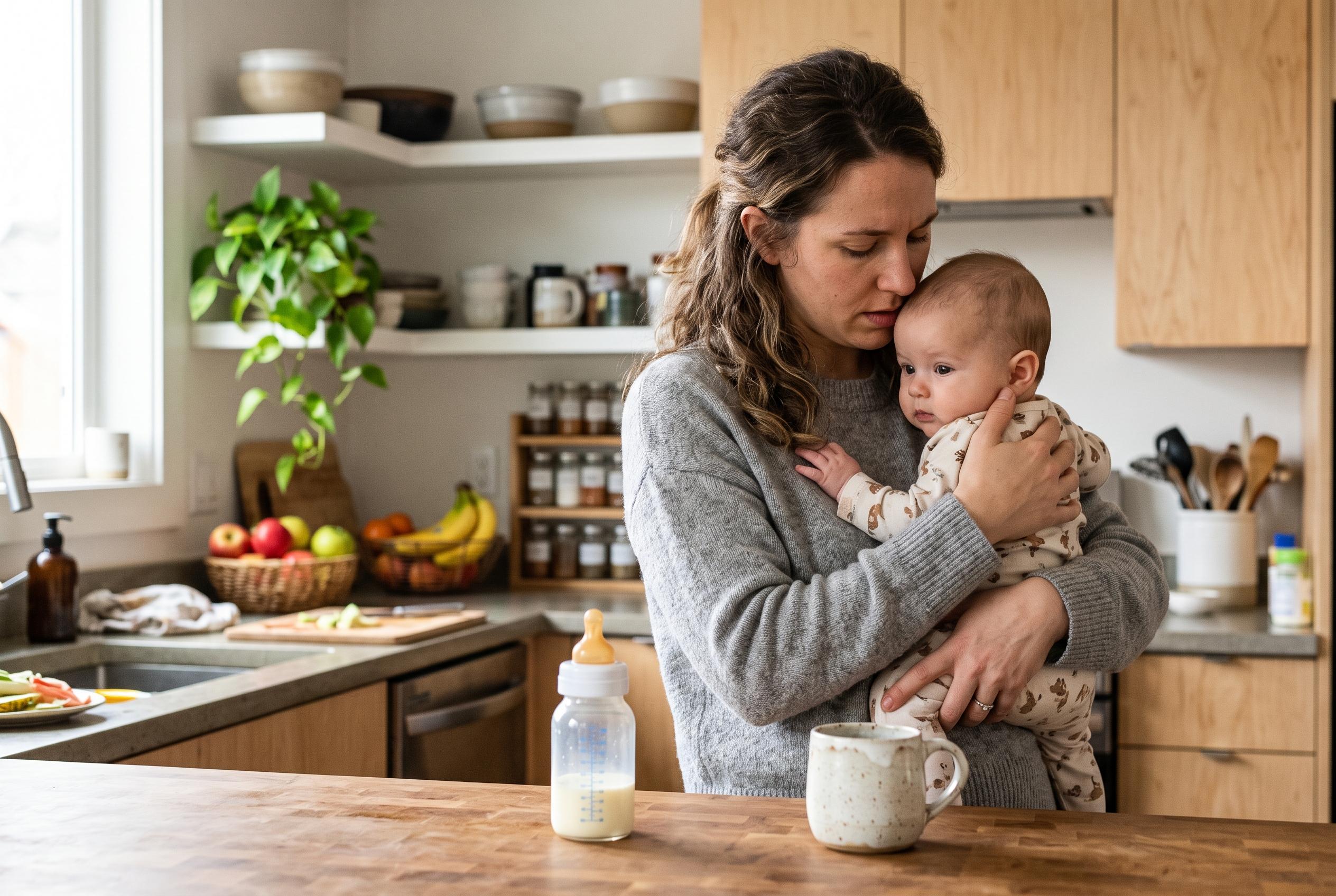

Experts say unpasteurised milk can carry pathogens including E. coli, Listeria and Salmonella, with infants, pregnant women and immunocompromised people at greatest risk.
Paediatricians are warning parents that raw milk, which has not been pasteurised, can expose children to a range of dangerous infections, and that the risks are especially serious for infants, young children, pregnant women and people with weakened immune systems. The warning reflects long-standing advice from the American Academy of Pediatrics, which says families should choose pasteurised milk and dairy products instead.
Pasteurisation is a heat treatment designed to destroy harmful bacteria, viruses and parasites without reducing the drink’s basic nutritional value. Experts quoted by HealthDay say that, despite claims from raw milk supporters, there is no good evidence that unpasteurised milk is healthier or less likely to trigger allergies than the pasteurised version. In practical terms, the CDC says pasteurised milk offers the same broad nutritional benefits, including protein, fat and vitamins, with far less risk.
The list of possible pathogens is long. According to the CDC, raw milk can carry Campylobacter, Cryptosporidium, E. coli, Listeria, Brucella and Salmonella. These infections can cause severe gastrointestinal illness and, in some cases, more serious complications, including kidney failure. The American Academy of Pediatrics has also warned that outbreaks linked to raw milk have risen over the past two decades, with children accounting for a large share of cases.
Pregnancy adds another layer of danger. Medical guidance cited in the HealthDay report notes that unpasteurised dairy products can expose pregnant women to infections such as listeriosis and toxoplasmosis. Listeria is particularly concerning because it can lead to miscarriage, severe illness in newborns or death, and the mother may not show symptoms even while the fetus is harmed.
Doctors are also watching the possibility that raw milk could carry avian influenza, including the H5N1 strain. The Cleveland Clinic has noted that researchers detected the virus in some raw milk samples in 2024, during its spread among dairy cattle, heightening concern about possible transmission. One of the largest recent outbreaks linked to raw milk underlines the scale of the risk: Live Science reported that a Salmonella outbreak tied to a California dairy affected 171 people between September 2023 and March 2024, with children hit disproportionately hard.
Health experts advise consumers to read labels carefully and make sure milk is marked “pasteurised”. They also recommend avoiding raw dairy sold in farm shops or local markets unless the seller can verify that it has been treated safely. Anyone who develops symptoms after consuming raw milk should seek medical advice, and pregnant women who think they may have consumed it should contact a clinician promptly.
Disclaimer: This content is for informational purposes only and is not intended to be a substitute for professional medical judgment, advice, diagnosis, or treatment.



