

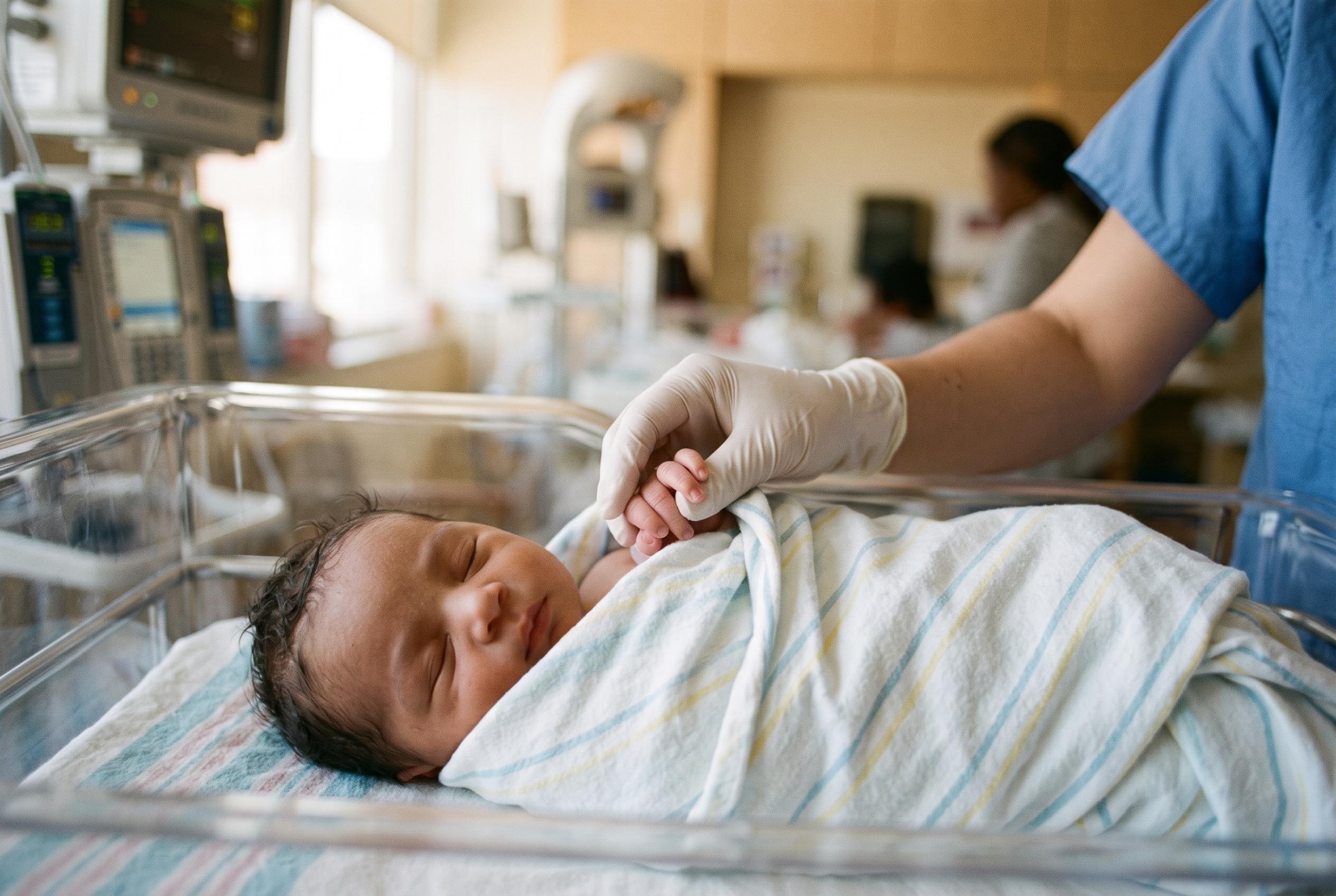

A proposed US-backed study involving 14,000 newborns has won approval from the University of Southern Denmark, but still needs final government authorisation after WHO warned that withholding the birth dose could put babies at serious risk.
The University of Southern Denmark has approved a controversial hepatitis B vaccine study in Guinea-Bissau, reviving a project that had been paused after criticism from the World Health Organization and other public health voices. The trial, backed by $1.6 million from the US Centres for Disease Control and Prevention, would enrol about 14,000 newborns and randomise half to receive a hepatitis B birth dose while the rest would begin vaccination at six weeks, according to reporting by CIDRAP and the university’s own confirmation.
That approval does not mean the study can start. Jakob Grauslund, dean of the university’s faculty of health sciences, said the revised protocol had cleared an independent ethics review and received approval from the relevant ethics committee in Guinea-Bissau over the summer, but he added that final government authorisation has still not been granted. Until that happens, the research remains on hold. Earlier this year, Guinea-Bissau officials and the Danish university suspended the project after an international backlash, with reports at the time saying the US Department of Health and Human Services did not respond to questions about whether federal officials had pushed for it to resume.
The dispute centres on a simple but consequential timing question: how soon after birth a baby should receive the hepatitis B vaccine. The World Health Organization recommends the dose as soon as possible after delivery, ideally within 24 hours, because the virus is especially likely to spread from mother to child at birth. WHO said in February that withholding the birth dose in a randomised trial could expose infants to serious harm, including chronic infection, cirrhosis and liver cancer, and argued that shortages of resources do not justify withholding a proven intervention in research.
The band of disagreement is narrow on the science and wide on ethics. Supporters of the study say the comparison group would receive the current national standard in Guinea-Bissau, which begins hepatitis B vaccination at six weeks and does not yet include a birth dose. The researchers involved, Peter Aaby and Christine Stabell Benn of the Bandim Health Project, have said no child in the trial would receive fewer vaccines than under existing local policy. Critics reply that local policy reflects limited supply, not scientific uncertainty, and that a trial run with support from a wealthy country should not entrench a lower standard for babies in a low-income setting.
The stakes are high in Guinea-Bissau, where more than 12% of adults are estimated to live with chronic hepatitis B, according to WHO. Infections acquired at birth or in infancy are especially dangerous: WHO says roughly 90% of infected newborns become chronic carriers, and the CDC says infant infection carries a very high risk of lifelong disease. That is why public health groups have treated the study as more than an academic disagreement. Stand Up for Science has called it a serious rights violation, while the Africa Centres for Disease Control and Prevention has said discussions between the US and Guinea-Bissau governments are still under way.
The controversy has also drawn attention in the US because Benn has served as a consultant to a federal vaccine advisory committee that voted against recommending a hepatitis B birth dose for all American newborns, according to the Associated Press. That connection has sharpened concern among public health experts that the Guinea-Bissau trial could be used to challenge birth-dose policies elsewhere, even though the medical consensus still supports early vaccination for babies at risk of exposure. For parents, the message has not changed: pregnant people are routinely screened for hepatitis B, and families can ask their maternity or paediatric team about the newborn dose before delivery.
For now, the university’s approval is only one hurdle cleared in a dispute that is still unresolved. If Guinea-Bissau grants final authorisation, the trial could move ahead. If it does not, the project will remain suspended, despite the Danish approval and the funding already committed.
Disclaimer: This content is for informational purposes only and is not intended to be a substitute for professional medical judgment, advice, diagnosis, or treatment.



