

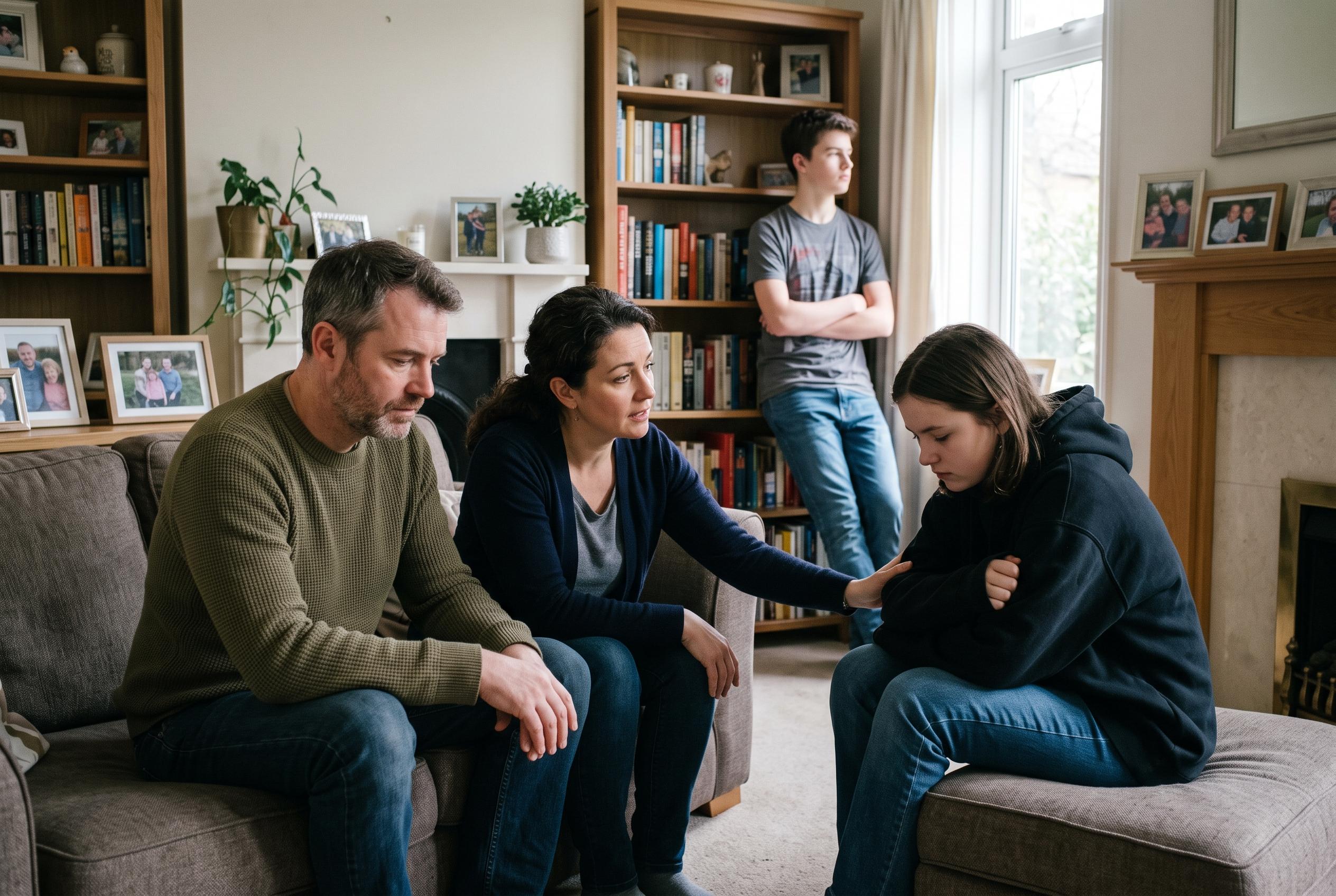

Adoption UK says families are being left without timely, specialist help as trauma-related difficulties intensify through adolescence and beyond.
Adoptive families across the UK are being asked to carry intense emotional and practical demands with too little help, according to recent findings from Adoption UK that suggest four in 10 households are facing severe difficulties or have reached crisis point. The group says support often falls away once an adoption order is granted, leaving parents to cope with increasingly complex needs just as children move into adolescence and adulthood.
That pattern matters because adoption is not a single event but a long relationship shaped by what came before it. Children who have experienced abuse, neglect or multiple placements may be legally secure in a new home yet still struggle with fear, mistrust and distress rooted in earlier trauma. Researchers and adoption charities say those effects can emerge years later, often after family life is already under strain.
The pressures can be most visible at home, where parents may find themselves responding to aggression, repeated absences from school, self-harm risks or running away. The original article describes how some adopters live with child-to-parent violence and have to decide, at moments of crisis, whether to call for outside help to keep everyone safe. Even when parents understand the trauma behind a child’s behaviour, that knowledge does not make the experience any less exhausting or frightening.
Support systems, however, are often built for a narrower version of need. A government research report on the Adoption Support Fund found that families struggled to access mental health help because services could be slow, tightly defined and not always designed around adoption. The report also noted that some interventions focused on the child while leaving parents outside the process, even though the whole household is affected.
That disconnect helps explain why many families say they have to wait until they are in obvious distress before anyone takes their needs seriously. The All-Party Parliamentary Group on Adoption and Permanence has argued that support plans are too often vague and not specific enough to anticipate what a child may need later on. Its report calls for earlier, more proactive help rather than a system that responds only after difficulties have escalated.
There is also a growing body of evidence that adopted children can develop trauma-related difficulties that require specialist understanding, not generic behaviour management. NIHR has said some adopted children may show specific forms of post-traumatic stress, particularly when their early lives involved repeated adversity. That makes the case for tailored services stronger, because what looks like defiance from the outside may in fact be a child reliving danger they have never fully left behind.
The wider lesson is that care in adoptive families is often hidden because it is folded into the idea of ordinary parenting. Yet the emotional labour involved in helping a traumatised child feel safe, maintain trust and stay connected can be as demanding as any formal caring role. Adoption UK’s warning that so many families are struggling should be read not as a private failure, but as evidence that the post-adoption safety net is too thin for the realities many children and parents face.
Disclaimer: This content is for informational purposes only and is not intended to be a substitute for professional medical judgment, advice, diagnosis, or treatment.



