

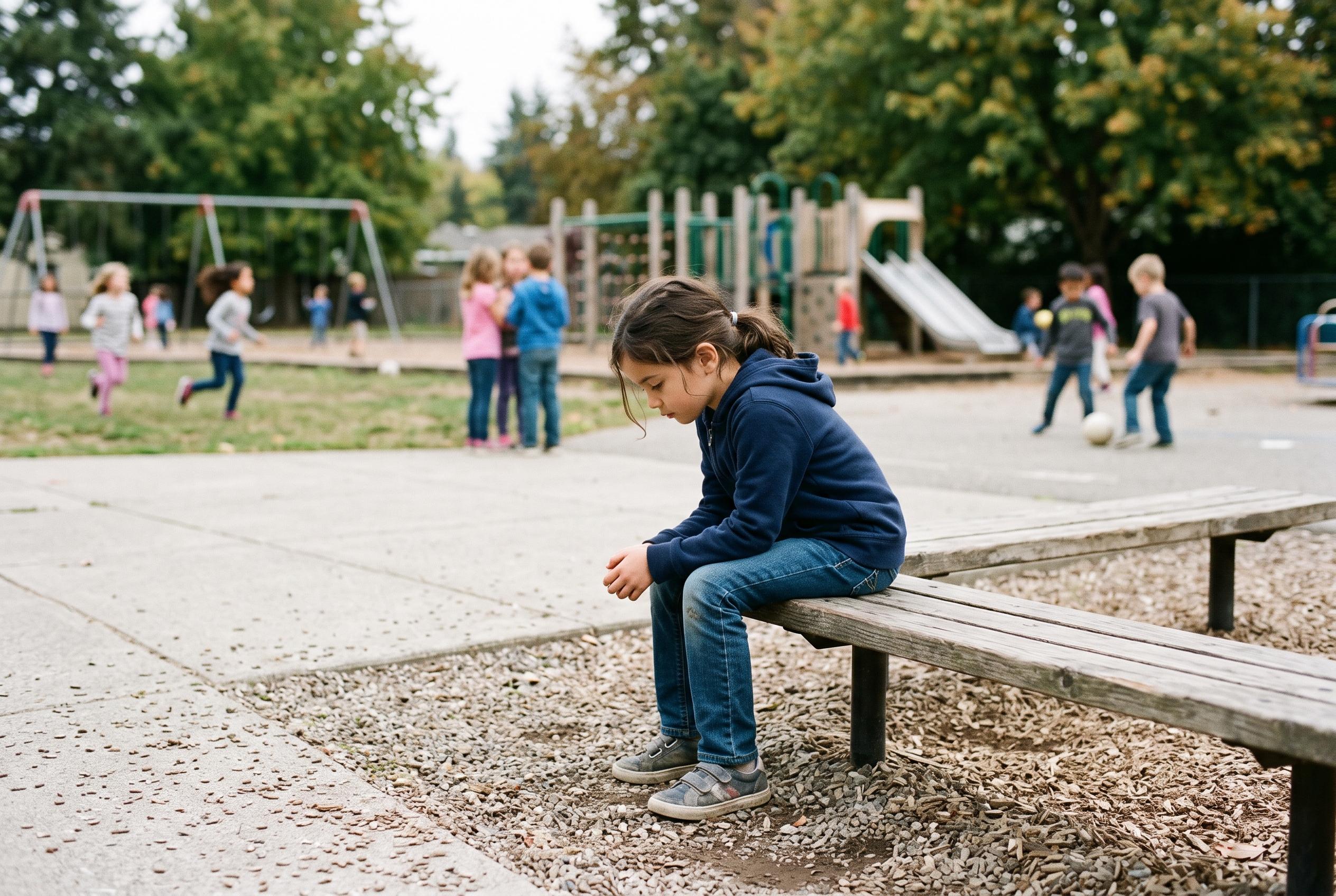

Repeated humiliation, exclusion and teasing can be as damaging as physical violence, with anxiety, illness and falling grades among the warning signs adults may miss.
School bullying is often thought of as a matter of bruises or broken possessions, but experts say the damage is usually wider and harder to spot. According to Origo and child-focused guidance from WebMD and StopBullying.gov, repeated humiliation, teasing, exclusion and other relational abuse can be just as harmful as physical aggression, and may leave children anxious, withdrawn or fearful long before adults notice what is happening.
Ágnes Királymezei, a specialist psychologist quoted by Origo, said ordinary conflict between children is common in a classroom because pupils arrive with different personalities, family backgrounds, temperaments and ways of handling disagreement. The warning sign that trouble has become bullying is repetition: when one child is singled out again and again, targeted on purpose and placed in a weaker position. In those cases, the abuse may begin with hurtful nicknames, mocking remarks or public embarrassment, then escalate into shoving, tripping, damaging belongings or deliberately causing pain. Guidance from StopBullying.gov and the Victorian Department of Education says damaged property, unexplained injuries and social isolation are all signals that merit attention.
The warning signs are not always visible. WebMD, StopBullying.gov and the National Child Traumatic Stress Network all note that bullying can show up as sudden mood changes, sleep problems, headaches or stomachaches, falling grades, changes in eating habits and a reluctance to go to school. Origo also reports that children may be ashamed or frightened and therefore say nothing, which means adults should not wait for a child to volunteer a disclosure before acting. The effects can extend beyond the classroom too, with online abuse continuing through humiliating images, messages or posts that spread rapidly and are difficult to contain.
Experts cited across the sources stress that adults should treat bullying as a health and welfare issue, not a minor disciplinary problem. The National Child Traumatic Stress Network says bullying can undermine self-image, relationships and school performance, while the medical literature reviewed on PubMed points to educational, health and longer-term consequences that depend on how frequent and severe the abuse is. Királymezei also argues that help may be needed not only for the child being targeted, but for the child doing the bullying as well, since harmful behaviour often reflects deeper problems that also require intervention.
Disclaimer: This content is for informational purposes only and is not intended to be a substitute for professional medical judgment, advice, diagnosis, or treatment.



