

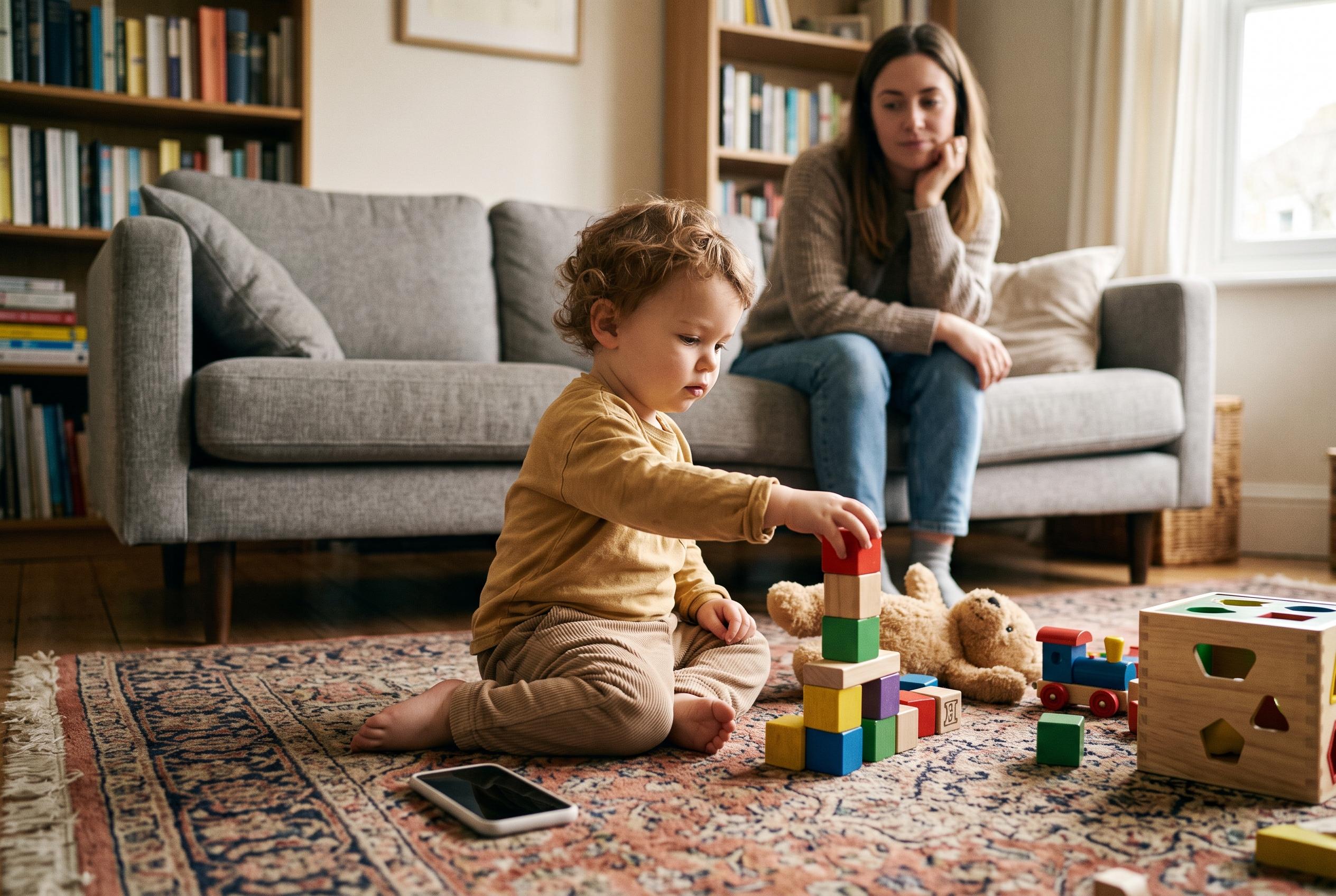

New research links screen exposure in children under two with disrupted sleep and potential developmental, vision and wellbeing concerns, prompting calls for support beyond individual families.
New international research is sharpening concern over screen use among babies and toddlers, with public health specialists warning that the smallest children are being exposed at levels that may affect sleep, language development, vision and wider wellbeing. In Aotearoa New Zealand, the Public Health Communication Centre says almost two-thirds of children under two are already exceeding recommended screen-time limits.
The warning follows a systematic review from the United Kingdom that found little evidence of benefit from screen exposure in children younger than two, while identifying links with a range of possible harms. Those include poorer sleep, changes in bodyweight, concerns about eye health, and difficulties with communication, language learning and problem-solving. Guidance from child health organisations in the United States and elsewhere broadly aligns with that concern, advising no screen time for infants and very limited use for very young toddlers apart from video chatting.
Dr Samantha Marsh of the University of Auckland says one of the central risks is not simply what screens are doing, but what they are replacing. Time spent on devices can crowd out face-to-face conversation, active play, exploration and the everyday interactions that help babies build early social and communication skills. Experts also point to sleep disruption as a particular worry, with studies on young children showing that regular screen use can be associated with later bedtimes, longer time taken to fall asleep and reduced sleep overall.
The Public Health Communication Centre argues that the burden of change should not fall on parents alone. Families are making decisions about devices while dealing with work pressures, financial strain, stress and limited access to childcare and wider support. At the same time, digital products are designed to hold attention for as long as possible, which researchers describe as a commercial influence on health. The centre says that means the issue reaches beyond individual households and into the systems that shape children’s daily lives.
Its call for action includes non-judgemental support for parents and caregivers, screen-free settings in early childhood education and healthcare, stronger parental leave and childcare policy, and tighter scrutiny of marketing aimed at young children. It also wants Māori-led approaches to guidance and wellbeing, with further research into the pressures facing Māori and Pacific whānau and households under socioeconomic strain. The wider message from public health experts is that protecting babies and toddlers from avoidable harm will require shared responsibility from families, government, health providers and technology companies alike.
Disclaimer: This content is for informational purposes only and is not intended to be a substitute for professional medical judgment, advice, diagnosis, or treatment.



