

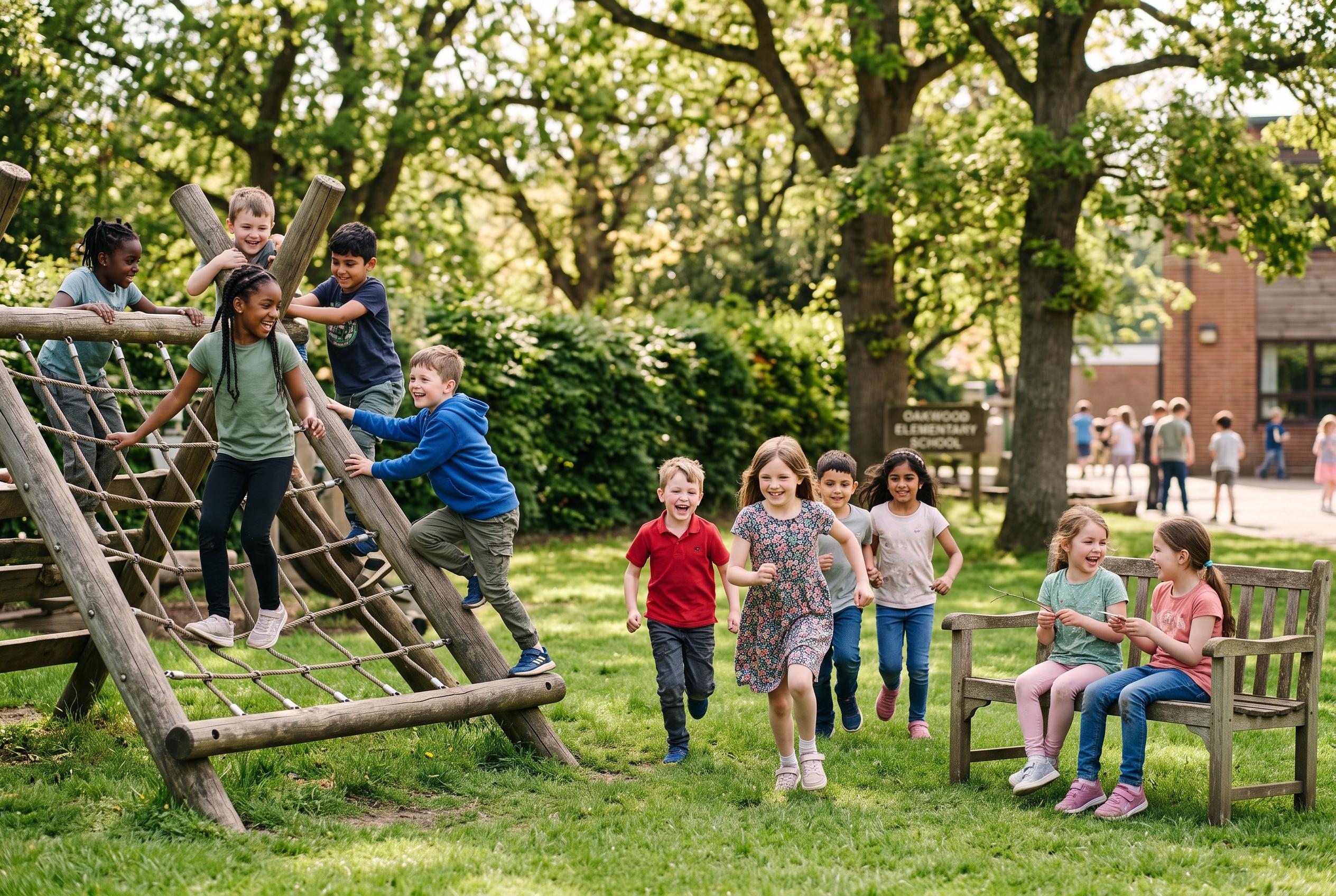

Falling attainment, mounting pressure and a shakier graduate job market are prompting a rethink of whether children are being pushed towards academic success at the expense of play and independence.
Across several corners of the education debate, a common anxiety is surfacing: schools are being asked to do more, earlier, and with fewer clear answers about what actually helps children thrive. In a recent essay on her Substack, Elena Bridgers links that unease to a wider sense that formal schooling has become overly credential-driven and too narrow in what it values, even as families face a fast-changing labour market and children spend less time playing than previous generations did.
The point is echoed in a recent New York Times magazine piece by Nikole Hannah-Jones, who revisited her decision to send her daughter to an underfunded New York City public school in an effort to confront segregation. Years later, her daughter came to see that choice differently, underscoring how difficult it is to turn principle into workable educational policy when the system itself remains so uneven. Peter Gray, meanwhile, argues in his new book, “Restoring Childhood: How to Set Kids Free in the Age of Anxiety”, that rising teenage depression and anxiety are more closely tied to academic pressure and reduced freedom to explore than to smartphones alone.
France has offered another sharp example of the strain. According to Le Monde, protests over the poor quality of public education have spread across the country, with more than 500 high schools closed as students and teachers object to staff shortages, packed timetables, shabby buildings and classrooms that become stifling during heatwaves. The anger reflects more than local frustration; it speaks to a broader sense that public schooling is failing to match the conditions children are expected to endure.
At the same time, international comparisons are deepening the alarm. The OECD says the latest PISA results show student performance across member countries falling to the lowest average ever recorded, with reading down 28 points and maths down 22 points from previous levels. Those declines have become part of a larger argument about whether schools are over-emphasising measurable output while losing sight of curiosity, resilience and independence.
That debate is now colliding with artificial intelligence. The Atlantic has recently published a series of articles arguing that AI is hollowing out entry-level white-collar work, making the traditional college payoff less certain and encouraging students to lean on machines for coursework. If the first rung on the professional ladder is disappearing, the logic of pushing children ever harder towards academic success looks less persuasive than it once did.
Bridgers uses that uncertainty to make a different case: that children may need more, not less, time for play. Her argument is that play builds the very capacities that machines cannot easily replicate – social judgement, physical confidence, emotional control, creativity and the ability to solve problems in real time. She also draws on her own education, which began slowly but left her with a lasting love of learning, to suggest that formal pace is not always the same as real readiness.
The larger question, then, is not whether schools should teach children to read, calculate and think. It is whether the current model asks too much too soon, while neglecting the habits that help young people become adaptable adults. In Bridgers’s telling, the answer may lie in reclaiming play not as a luxury, but as a central part of learning – especially at a time when both education and work are being remade around children and parents who have little certainty about what comes next.
Disclaimer: This content is for informational purposes only and is not intended to be a substitute for professional medical judgment, advice, diagnosis, or treatment.



