

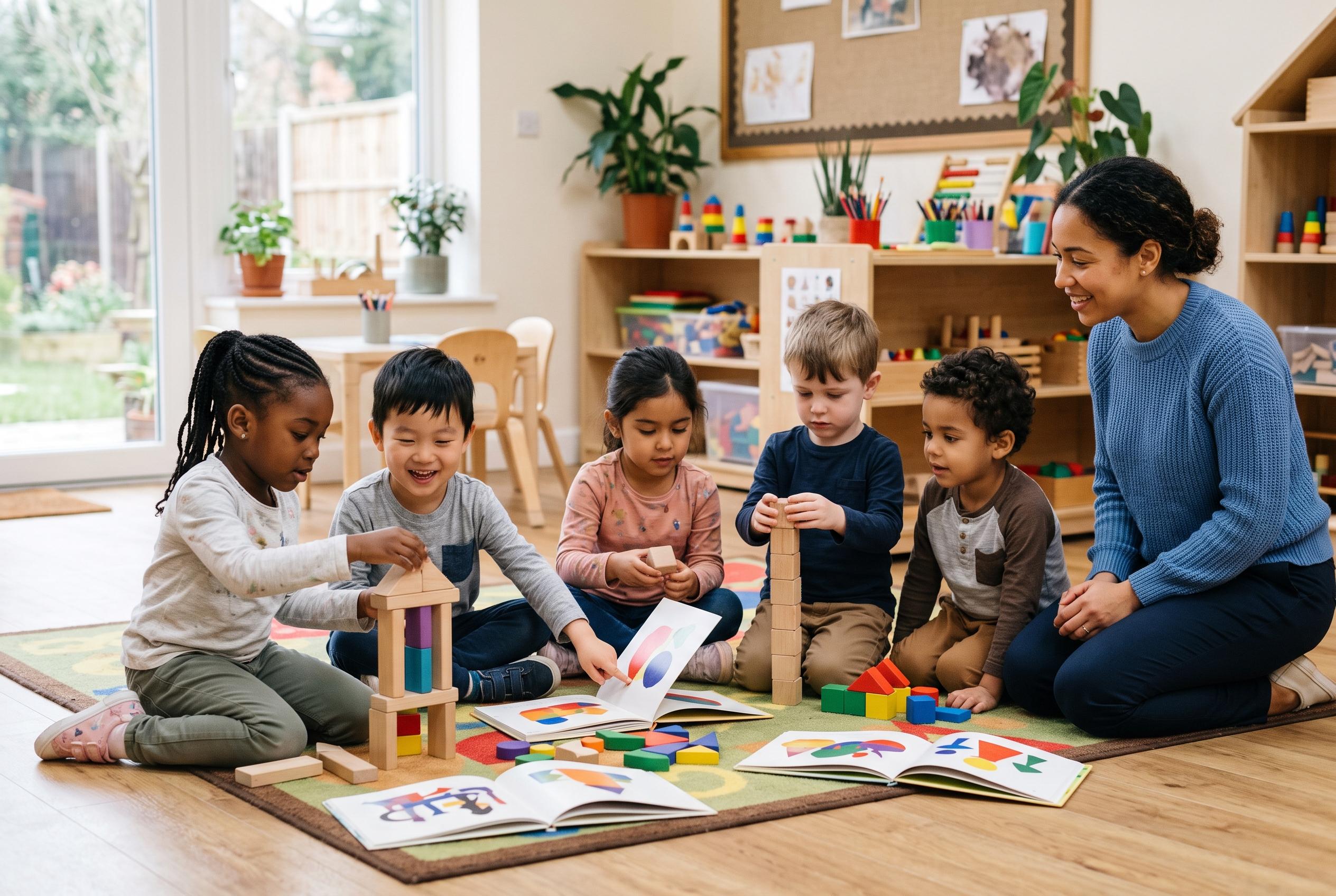

More Virginia children are entering kindergarten ready to learn, but persistent disparities among disadvantaged pupils and weaker social and emotional skills are prompting calls for earlier support and better tracking.
Virginia is seeing a modest but meaningful improvement in how many children arrive at kindergarten ready to learn, yet the latest state review makes clear that important gaps remain for low-income children, boys, multilingual learners and children with disabilities. According to the Virginia Department of Education, 57% of students met the overall readiness benchmark last fall, up from 51% a year earlier, a gain that state officials and researchers said was especially encouraging among groups that have historically been left behind.
The findings come from the Virginia Kindergarten Readiness Programme annual report, which lawmakers commissioned to assess whether the state’s preschool system is helping young children build the academic and social skills they need before they enter school. The report found gains in literacy and mathematics readiness, but said self-regulation and social skills remained an area of concern. State education officials have described readiness as a broader measure than early reading and numeracy alone, reflecting whether children can also manage emotions, follow routines and interact with classmates.
Jenna Conway, Virginia’s superintendent of public instruction, said the stakes extend well beyond the first day of school. “If we can get everybody coming in more ready, then it dramatically increases the likelihood they’ll be on level for reading or math by the end of third grade,” Conway told The Mercury. Her comments echoed the logic behind the report, which says children who start school with stronger foundations are better positioned to keep pace academically in the early grades.
The report also shows that the improvement was not evenly shared. Readiness rose by seven percentage points among Latino children, six points among Black children and children from low-income households, five points among English learners and four points among children with disabilities. Even so, the study said significant disparities persist, with those same groups still more likely to fall short of the benchmark, alongside boys. The Department of Education said the data point to the need for earlier identification of children who are struggling, along with more attention to social and emotional development in the classroom.
To close those gaps, the report calls for more teacher training, ongoing screening during the school year, better data systems and stronger links between families and schools. It also recommends that Virginia expand its use of assessments beyond kindergarten into grades one through three so educators can track whether children are staying on course after they enter school. The department said preschool programmes should be strengthened as well, so teachers can better understand children’s needs before they reach the classroom. Lawmakers are expected to weigh new legislation when they return to Richmond in January.
Disclaimer: This content is for informational purposes only and is not intended to be a substitute for professional medical judgment, advice, diagnosis, or treatment.



