

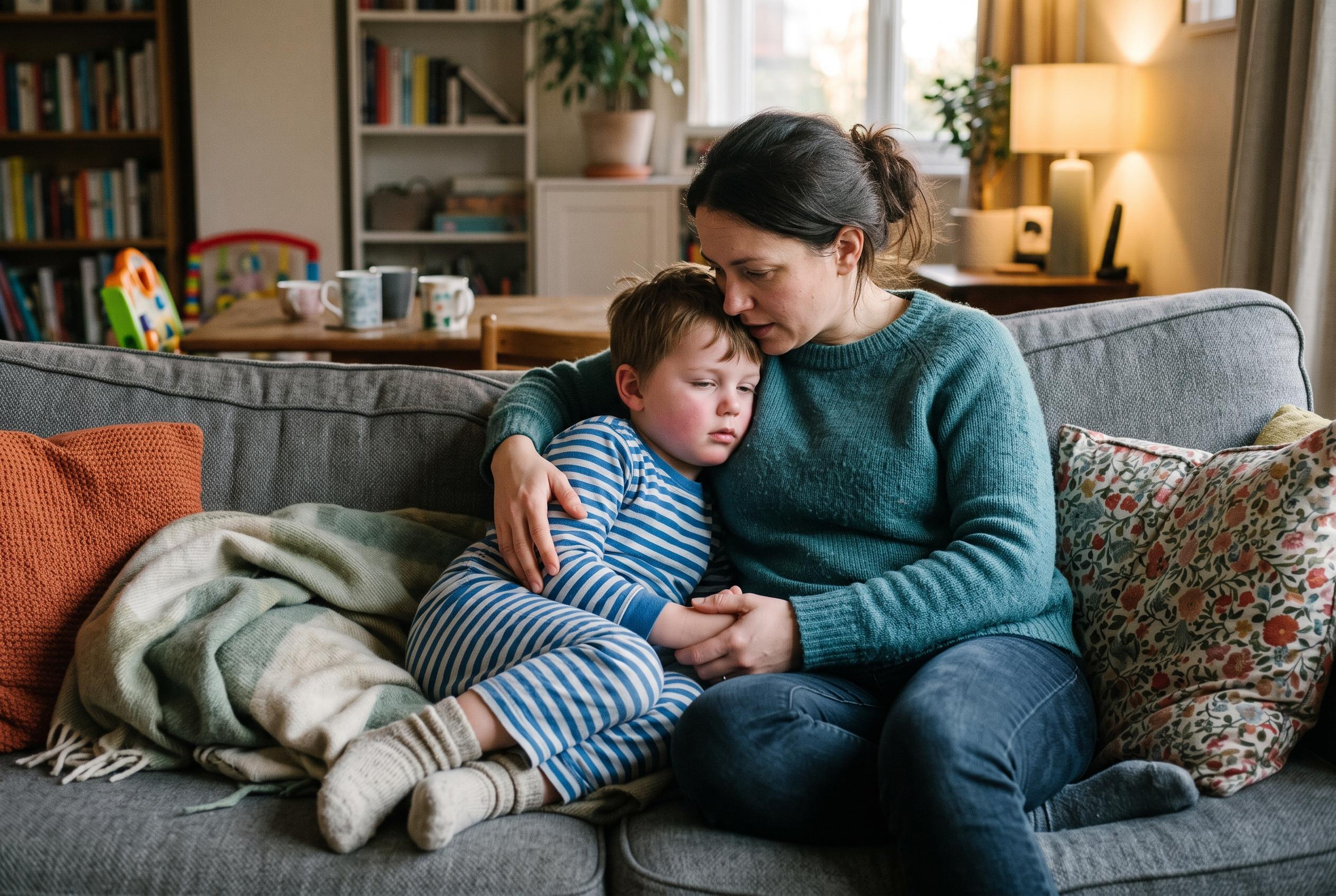

Fever, tiredness and a changing rash can signal chickenpox before its familiar blisters appear , and recognising the pattern can help limit its spread.
Chickenpox often announces itself before the familiar blistering rash appears, which is why parents can mistake it for a routine viral bug in the first day or two. The infection, also called varicella, is caused by the varicella-zoster virus and spreads easily through close contact and respiratory droplets, making early recognition important both for treatment at home and for limiting transmission. According to the Centres for Disease Control and Prevention, the virus can be highly contagious, and the illness can range from a brief, mild episode to one that becomes more troublesome.
The earliest warning signs are often vague. Fever, tiredness, headache and a loss of appetite may appear about one to two days before the rash, the CDC says, while Johns Hopkins Medicine notes that some children also become irritable before the spots emerge. Because those symptoms overlap with many other childhood illnesses, parents may not suspect chickenpox until the skin changes start.
The rash itself usually begins as a scattering of small red spots that can look like insect bites or mild irritation. The CDC says those lesions then become raised bumps, fill with fluid and crust over, with new spots continuing to appear as older ones change stage. That pattern, with flat marks, blisters and scabs all present at once, is one of the clearest clues that the illness is chickenpox rather than another common rash.
In many children, the first spots show up on the chest, back or face before spreading more widely, according to the CDC and the Mayo Clinic. Some children develop only a modest number of lesions, while others can develop far more, including hundreds of blisters over the course of the illness. Even when the case appears mild, the virus remains easy to pass on to others who are not protected.
Most otherwise healthy children recover without serious problems, but chickenpox can still lead to complications. The CDC and WebMD say bacterial skin infections are among the more common issues seen in children, while pneumonia, dehydration and brain inflammation are among the more serious concerns. Medical help is especially important if a child has breathing difficulty, severe drowsiness, a persistent high temperature, neck stiffness, signs of dehydration or skin around the blisters that becomes red, swollen or painful.
Vaccination can change the picture significantly. The CDC says breakthrough cases can still happen in vaccinated people, but symptoms are usually milder, with fewer blisters and a shorter illness, which can make the rash less obvious. That is one reason clinicians and parents alike are urged to consider chickenpox even when the signs are subtle. For families, the practical message is simple: a child who seems slightly feverish, unusually tired and then develops a spotty rash that changes quickly over a day or two may not just have a passing cold.
Disclaimer: This content is for informational purposes only and is not intended to be a substitute for professional medical judgment, advice, diagnosis, or treatment.



