

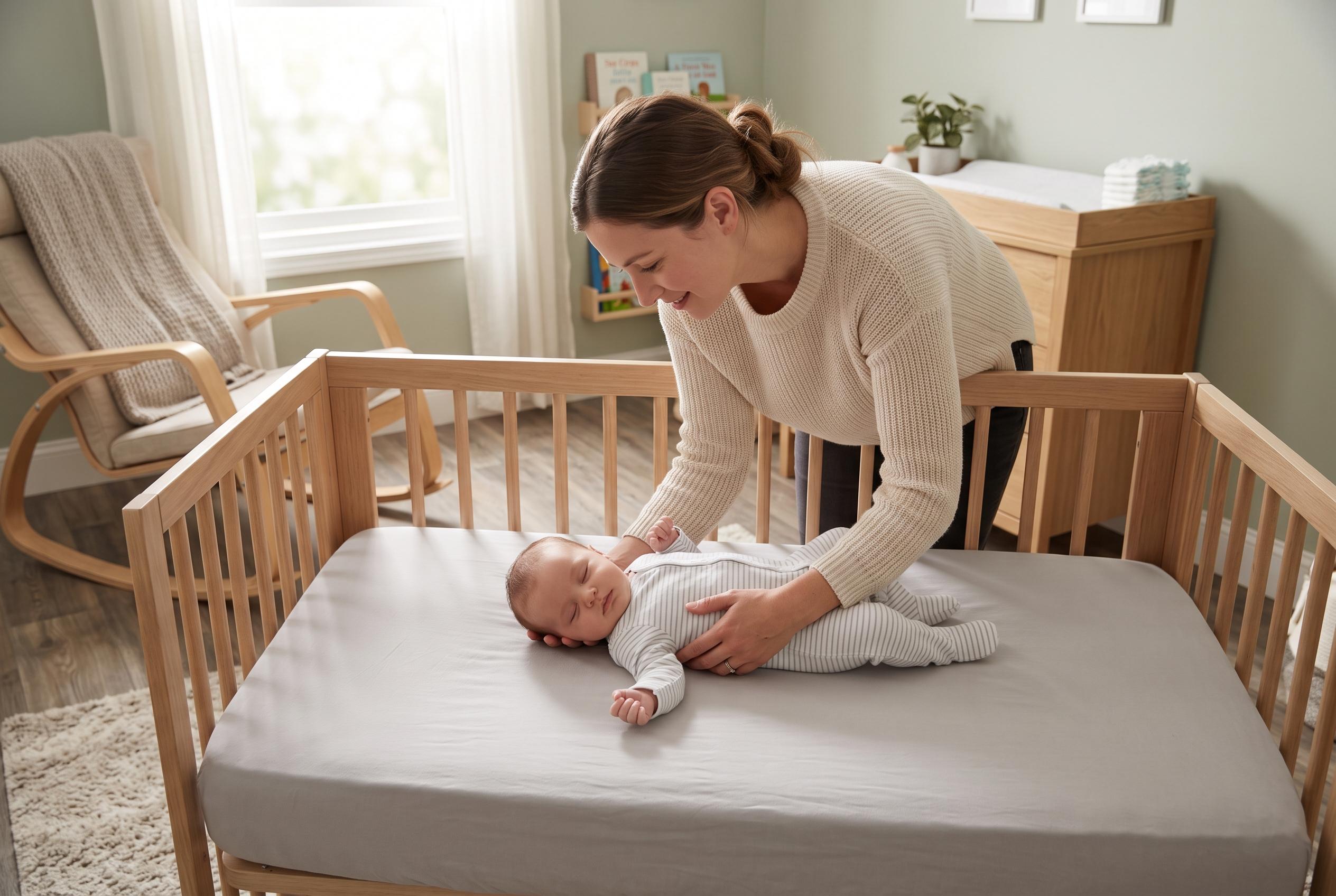

A CDC report highlights the continuing risks linked to unsafe sleep, as experts urge families to follow the ABCs: alone, on their back and in a clear crib or bassinet.
October’s observance of Sudden Unexpected Infant Death Awareness Month has renewed attention on a basic but vital message for parents and caregivers: safe sleep can save lives. A new report from the Centres for Disease Control and Prevention found that unsafe sleep factors were present in nearly three-quarters of sudden unexpected infant death cases reviewed between 2020 and 2024.
Health experts say the safest approach is to keep a baby sleeping close by, but not in the same bed. The National Institutes of Health recommends room-sharing for at least the first six months, along with a firm, flat sleep surface and a crib or bassinet kept free of pillows, blankets, bumpers, loose bedding and toys. Johns Hopkins Medicine also advises caregivers to avoid smoking around infants and to steer clear of wedges, positioners and other sleep products that have not been shown to prevent infant death.
Dr Jennifer Stiff, a paediatrician at Norton Children’s, said families should think of the safest sleep routine as a set of habits that become even more important when adults are tired. “No one means to do this, right? Everyone has, like, the best intentions, and they are just trying to, like, take care of their baby. And it’s just you’re exhausted and things happen,” Stiff said. “No one ever thinks it’s going to happen to them. And unfortunately, we see it all too often.”
Stiff said she encourages parents to follow the ABCs of safe sleep: babies should sleep alone, on their backs and in a crib or bassinet that contains no soft items. The Mayo Clinic notes that additional risk factors include secondhand smoke exposure, premature birth and family history, while the Sleep Foundation says side sleeping, stomach sleeping and bed-sharing can raise the danger. Together, the guidance points to the same practical conclusion: a clear sleep space, a safe position and consistent supervision are among the strongest protections caregivers can provide.
Disclaimer: This content is for informational purposes only and is not intended to be a substitute for professional medical judgment, advice, diagnosis, or treatment.



