


Sleep needs change sharply from infancy to the teenage years, while seasonal light and bedroom conditions can make it harder for children to settle.
Sleep is not just rest for children; it is a basic part of healthy development. Experts say getting enough of it supports brain growth, learning, mood, immune function and the ability to manage emotions. When children consistently fall short, the effects can show up as irritability, trouble concentrating, behavioural difficulties and, over time, wider health problems.
How much sleep a child needs depends largely on age. Cleveland Clinic, citing guidance from the American Academy of Sleep Medicine, says newborns up to four months old typically need eight to 18 hours in a 24-hour period, including naps. Infants aged four to 12 months generally need 12 to 16 hours, toddlers aged one to two need 11 to 14 hours, and children aged three to five need 10 to 13 hours. School-age children from six to 12 years usually need nine to 12 hours, while teenagers aged 13 to 18 need eight to 10 hours.
That broad range reflects the way sleep needs change as children grow. The Sleep Foundation says younger children rely more heavily on naps and longer sleep windows, while older children and teenagers need less total sleep but still require enough to support attention, memory, mood and learning. The Mayo Clinic Health System adds that signs a child may not be sleeping enough can include morning grumpiness, difficulty waking, poor school performance and frequent emotional outbursts.
Andrea Grace, a child sleep consultant with more than 25 years of experience, told the Mirror that sleep plays a central role in development and in everyday functioning. She said good sleep supports concentration, decision-making, problem-solving, creativity and healthy eating habits. Grace also said seasonal changes can affect children’s routines: darker winter mornings, shorter daylight hours and more evening artificial light can interfere with the body’s natural sleep signals, while lighter summer evenings can make it harder for some children to settle at bedtime.
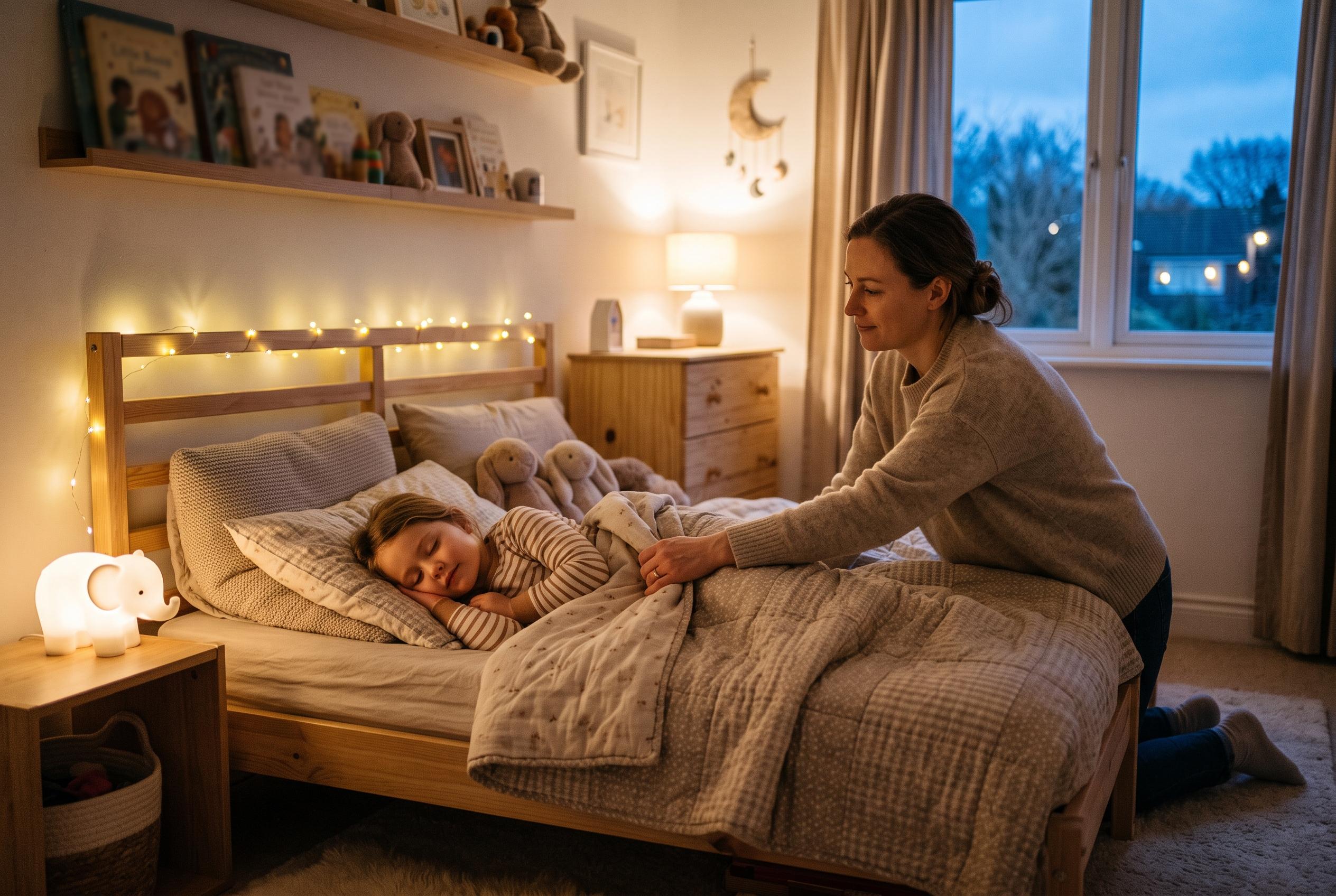
Grace suggested that parents focus on creating a calm, consistent sleep environment. She said a tidy bedroom can help children wind down, with putting toys away forming part of the bedtime routine. She also advised keeping bedrooms cool, ideally between 16C and 20C, and as dark as possible. If a night light is needed, she recommended a very dim red one, and said unnecessary lights on electronic devices should be removed or covered.
Disclaimer: This content is for informational purposes only and is not intended to be a substitute for professional medical judgment, advice, diagnosis, or treatment.



