

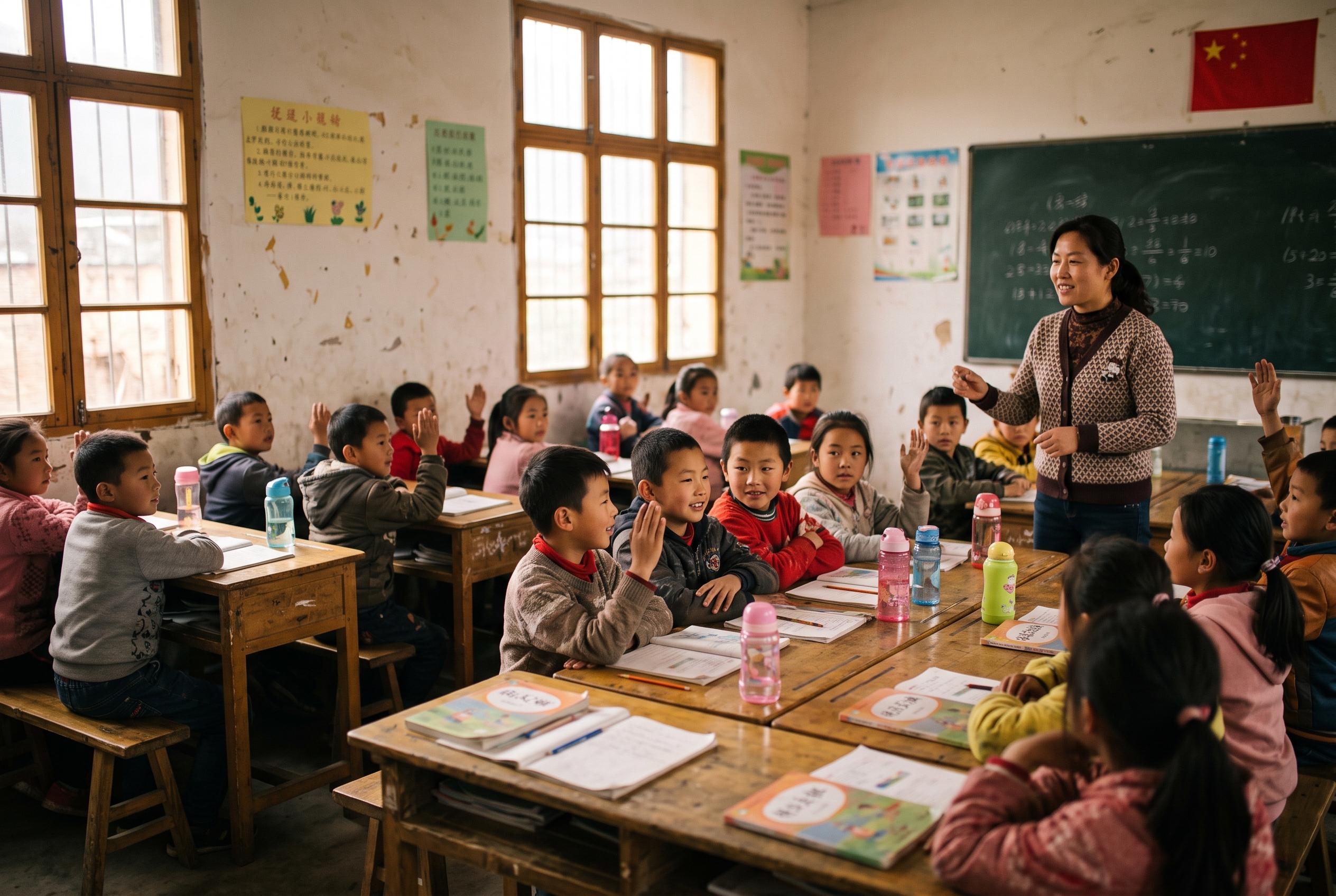

A study of nearly 17,000 children in poor counties of Hunan province found anaemia prevalence fell from 29.3% to 6.2% between 2016 and 2023, with greater benefits among regular users of the fortified supplement Yingyangbao.
A long-running nutrition programme in rural China has been linked with a sharp fall in anaemia among very young children, according to new research from Hunan province.
The study, published in BMC Public Health, tracked children aged 6 to 23 months across eight annual survey rounds from 2016 to 2023 in some of the province’s poorest counties. It found that overall anaemia prevalence dropped from 29.3% at the start of the period to 6.2% by the end, a decline of nearly 79%. The researchers said the pattern was strongly associated with Yingyangbao, a fortified complementary food supplement distributed through China’s nutrition improvement programme for children in poor areas.
Yingyangbao, often described as a nutrition package, is designed to be mixed into a child’s regular food. It contains protein, vitamins and minerals, including iron, which is especially important during the weaning period when breast milk alone may no longer meet nutritional needs. Previous studies have also pointed to the supplement’s benefits. Research published in the journal Nutrients and indexed in PubMed found that higher Yingyangbao consumption was linked to better haemoglobin levels and lower anaemia rates in children aged 6 to 23 months, with the strongest gains seen among those aged 12 to 17 months who consumed the largest number of sachets. A separate meta-analysis earlier found that the supplement increased haemoglobin and reduced anaemia, although its effects on growth measures were more limited.
The Hunan analysis covered 16,895 children and used a multi-stage sampling design intended to produce a representative picture of infants and toddlers in the programme areas. Over the study period, the children had an average length of 76.8 cm, a mean weight of 9.95 kg and an average haemoglobin level of 118.8 g/L. On average, stunting affected 4.4% of the children, underweight 3.2% and wasting 3.0%, placing the population in a comparatively favourable nutritional position for communities that have traditionally faced high deprivation.
The year-by-year data showed improvements across several indicators. Stunting fell from 5.5% in 2016 to 3.8% in 2023. Underweight declined from 5.0% to 2.1%, while wasting dropped from 3.8% to 1.5% over the same period. The researchers noted a brief uptick in wasting in 2022, which they suggested may reflect wider disruptions during the pandemic, before the downward trend resumed. The most dramatic change was in anaemia, which moved from a moderate public health problem into what the authors described as a mild one.
To examine whether Yingyangbao use itself was linked to the improvements, the researchers ran adjusted statistical models. They found a clear dose-response relationship for anaemia, meaning children who consumed the supplement more consistently tended to do better. Effective users were less likely to be anaemic than non-users, and even children who received the supplement but did not take it as recommended still appeared to benefit. One earlier quasi-randomised trial, published on PubMed Central, also found that Yingyangbao improved haemoglobin and other blood indicators in anemic infants in a poor rural area.
The new study did not find a similar link between Yingyangbao and stunting, underweight or wasting, which the researchers said is not surprising. Anaemia can respond directly to iron intake, but broader growth outcomes depend on many other factors, including diet quality, infection, living conditions and household income. The findings suggest that distribution alone is not enough: how often the supplement is used matters, and the strongest results came when children consumed it regularly for longer periods. For public health officials, the evidence points to a simple but important lesson: a low-cost fortified supplement can make a meaningful difference to iron deficiency, but only if families are supported to use it consistently.
Disclaimer: This content is for informational purposes only and is not intended to be a substitute for professional medical judgment, advice, diagnosis, or treatment.



