

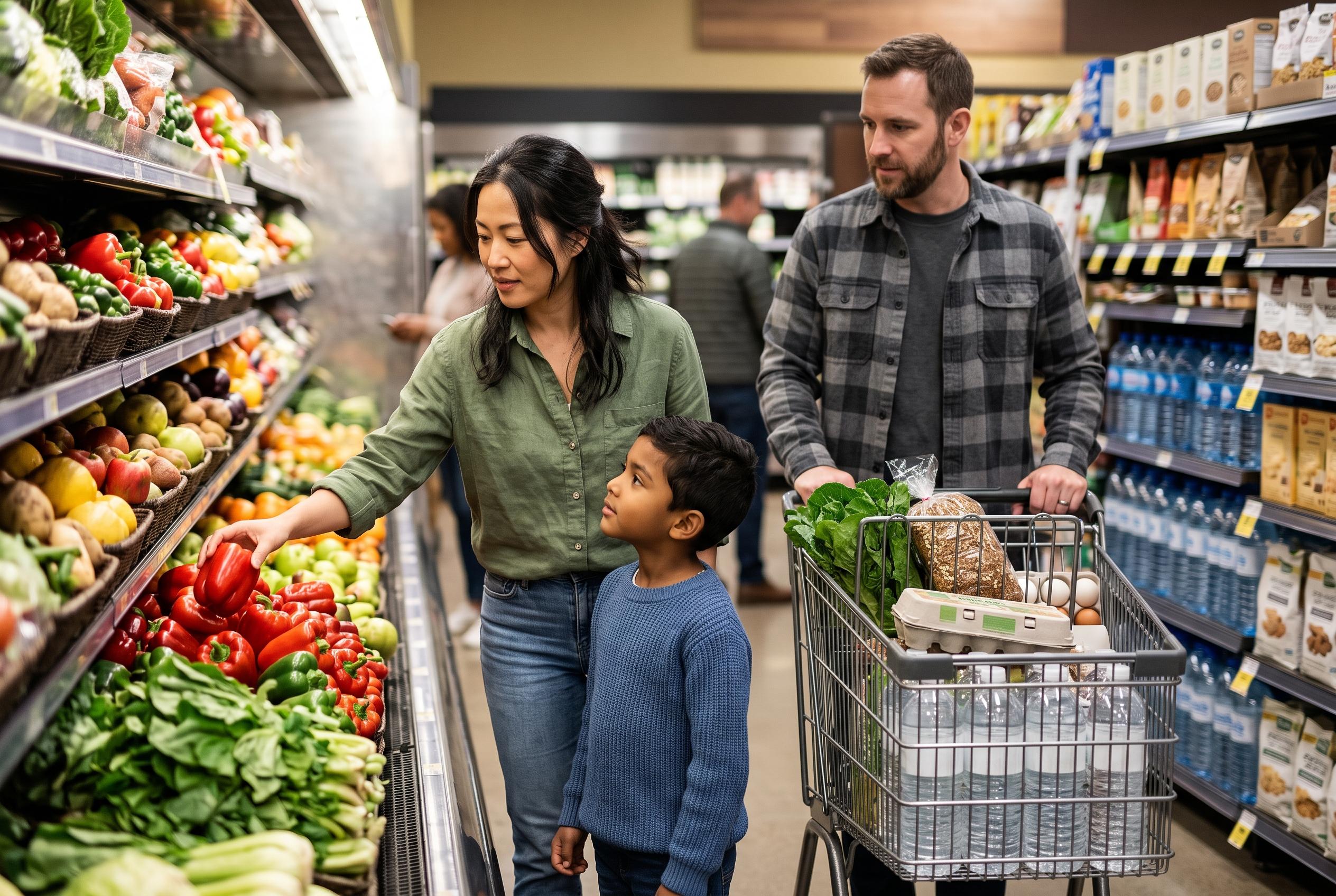

Research suggests restrictions on using US food aid to buy sweetened drinks reduce purchases and could prevent tens of thousands of diabetes cases, despite concerns over stigma and substitution.
Efforts to stop US food aid being used to buy sugary drinks have long drawn criticism from opponents of government intervention, but new research suggests the restrictions can change buying habits in ways that may improve public health. Studies backed by the National Bureau of Economic Research indicate that when states bar Supplemental Nutrition Assistance Program, or SNAP, benefits from being spent on soda and other sweetened drinks, households buy less of them and may ultimately lower the long-term burden of diet-related disease.
The policy debate has been building for years around a simple argument: a programme designed to support nutrition should not subsidise products with little or no nutritional value. The case for tighter rules gained urgency after US Agriculture Department data from 2011 showed that around one in five SNAP dollars was spent on items considered unhealthy, including sweets, crisps and sugary beverages. Advocates of reform say taxpayers effectively pay twice, first by helping purchase the products and then again through the cost of treating illnesses linked to poor diet.
Sceptics have long argued that any ban would be easy to sidestep because SNAP usually covers only part of a household’s grocery bill, with families able to top up with cash or another card. But two recent studies paint a different picture. One, examining the first 10 states to introduce restrictions between January and April 2026, found a 12.4% fall in retail purchases of excluded drinks among SNAP households in the first half of the year. Another paper found an 11% drop in restricted spending, along with a 5% to 8% decline in calories and sugar intake.
The findings also help explain why the rules appear to work. Harvard and Chicago researchers cited in the studies say recipients often mentally separate SNAP benefits from ordinary cash and treat them as food-specific funds. That behavioural effect seems to outweigh, at least partly, the argument that households can simply buy soda another way. At the same time, the research found that some consumers shifted towards other drinks that remained eligible, including fruit drinks, energy drinks and sports drinks, underlining a weakness in policies that target only soda rather than a broader range of sweetened beverages.
The public-health implications could be substantial if the restrictions were expanded nationwide. One study estimated that a national version of the policy could avert about 33,000 new cases of type 2 diabetes over a decade and save roughly $800 million a year in healthcare spending, largely through lower Medicaid, Medicare and other public costs. Another placed the annual welfare gain at about $1.1 billion. Yet the evidence also shows a trade-off: SNAP recipients in restricted states reported feeling more stigmatised when using their benefits, even though the researchers suggest that reaction may fade as the rules become normalised.
For supporters of the policy, that tension is central. The aim, they argue, is not to make food aid less usable, but to steer it towards better nutrition. Critics counter that any programme that increases embarrassment or limits choice risks discouraging families from seeking help. As the latest research suggests, however, the core question is no longer whether the restrictions work at all, but whether lawmakers are willing to broaden them enough to cut sugar consumption meaningfully without undermining access to food.
Disclaimer: This content is for informational purposes only and is not intended to be a substitute for professional medical judgment, advice, diagnosis, or treatment.



