

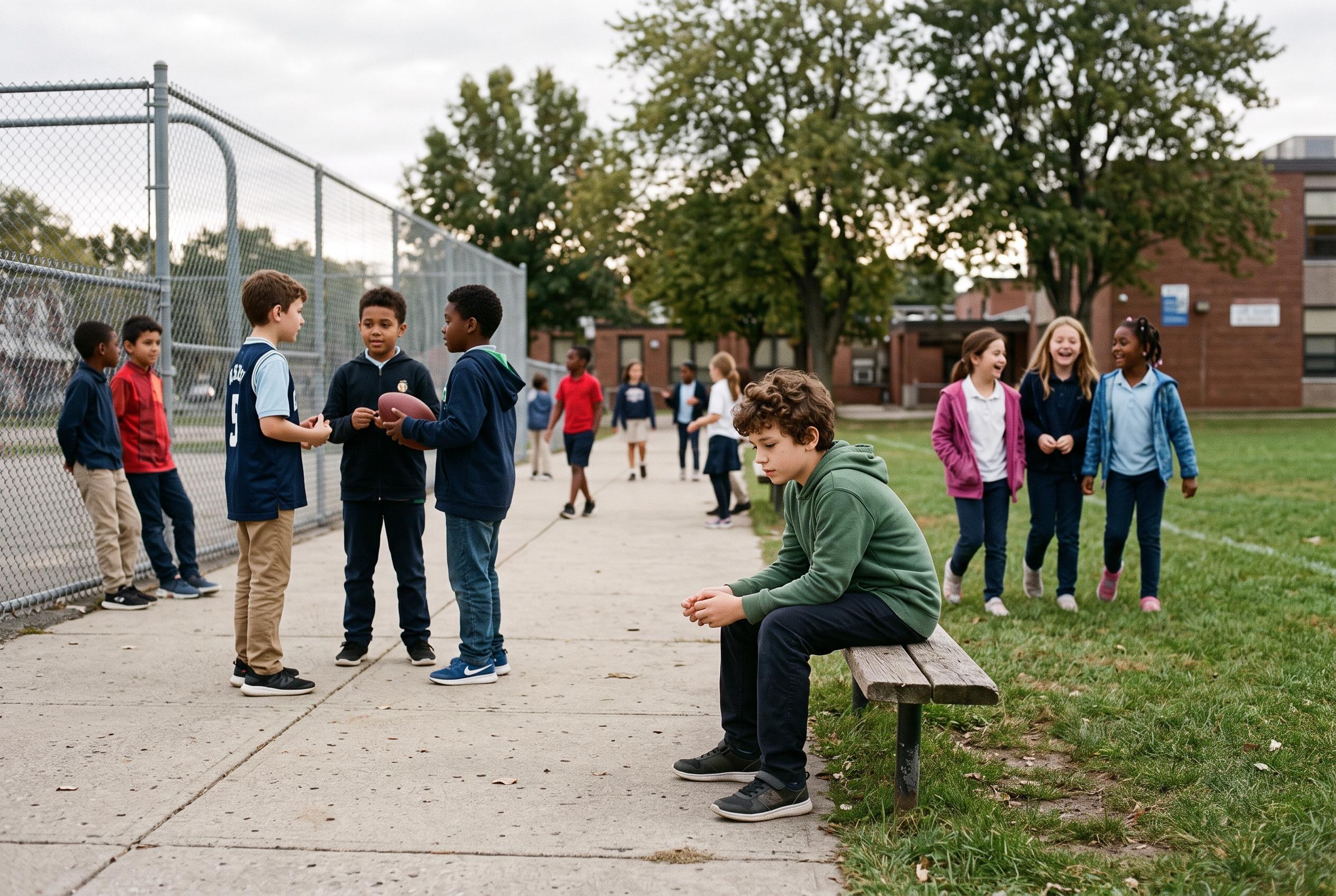

Children with autism, ADHD and other special educational needs face heightened risks of bullying, with researchers urging earlier, tailored prevention in schools.
Children with neurodevelopmental conditions are more likely to be bullied at school, according to research cited by SINC and published in JAMA Pediatrics. The higher risk applies to pupils with conditions such as autism and attention-deficit/hyperactivity disorder, or ADHD, and appears to be linked in part to differences in communication and social interaction that can make them easier targets and less able to push back. The research also suggests that bullying risk rises during adolescence for children on the autism spectrum.
That pattern matters because it is not confined to one diagnosis. Evidence reviewed in the reporting points to a broader vulnerability among children with intellectual disability, dyslexia and other special educational needs as well. The relationship runs both ways: neurodevelopmental differences can increase the chance of victimisation, while bullying itself can worsen mental health and raise the likelihood of later psychological problems.
Researchers say the dynamics of bullying often exploit visible differences. Language difficulties, social awkwardness and trouble reading group behaviour can leave some children standing out in ways that aggressors notice quickly. There is also a practical factor: children who are seen as unlikely to fight back may become repeated targets, which can make school feel unsafe long before adults recognise the pattern.
Schools are increasingly being asked to respond not just after incidents occur, but through prevention. One programme highlighted by the source material, LINKlusive, is a school-based intervention that combines assessment tools with educational support for pupils, teachers and families. A randomised trial published in eClinicalMedicine in 2024 found that, while overall differences between intervention and control schools were limited, the programme showed a significant benefit for primary pupils in subgroup analyses, suggesting that whole-school approaches can help when they are tailored to younger children.
The message for parents and caregivers is that bullying should be treated as both a school issue and a health issue. Early identification, stronger collaboration between schools and health services, and support that builds social and emotional skills may reduce harm before it becomes entrenched. The evidence does not yet answer every question about why victimisation leads to later mental health problems, or how prevention should be adapted for different ages and settings, but it does point clearly to the need for earlier intervention.
Disclaimer: This content is for informational purposes only and is not intended to be a substitute for professional medical judgment, advice, diagnosis, or treatment.



