

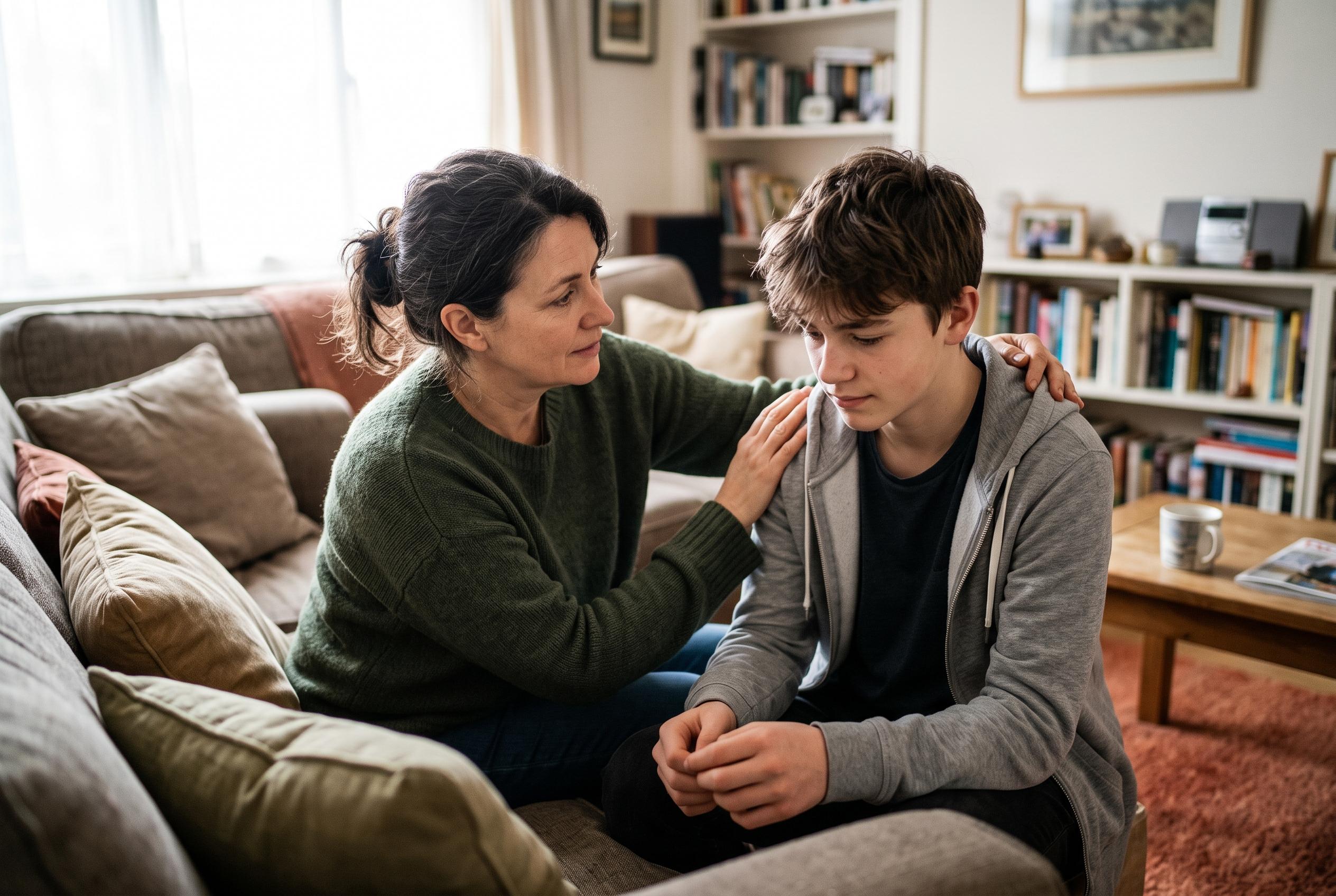

The 4D framework can help families distinguish temporary strain from persistent distress, disruption or danger , and recognise when practical support or professional care may be needed.
Mental health is shaped not only by personal resilience but also by the people and relationships surrounding an individual. The United States Centres for Disease Control and Prevention says social connection can foster a sense of belonging and value, while supportive relationships may help protect health over time. In the Indonesian article that prompted this report, clinical child and adolescent psychologist Ocha Ananda Suherik said social support can include emotional reassurance, information and practical help.
Suherik, who is a member of the Indonesian Psychological Association, also pointed to a commonly used clinical framework known as the 4D model for recognising possible mental health problems: deviance, dysfunction, distress and danger. The Environmental Literacy Council describes deviance as behaviour that differs markedly from social expectations, dysfunction as difficulty carrying out day-to-day tasks, distress as significant emotional suffering and danger as risk of harm to self or others.
The framework is useful because it helps separate temporary strain from patterns that may need professional attention. As Psychology Town notes, these indicators should also be viewed in context, since ideas of what is typical or acceptable can vary across cultures and change over time. That makes the warning signs more than a checklist; they are a prompt to look carefully at whether someone’s thoughts, emotions or behaviour are becoming persistently disruptive or unsafe.
For families and friends, the practical response is often simple but consistent: check in regularly, keep ordinary routines of contact going and offer help that is concrete rather than vague. The CDC and the Change Direction initiative both say emotional support, companionship, advice and practical assistance can reduce stress and improve well-being, while HelpGuide stresses that strong relationships can help people cope more effectively with hardship. Suherik said support should fit the person’s setting, such as involving parents, teachers and school counsellors for children or teenagers, and she also encouraged referral to professional help when needed.
Disclaimer: This content is for informational purposes only and is not intended to be a substitute for professional medical judgment, advice, diagnosis, or treatment.



