

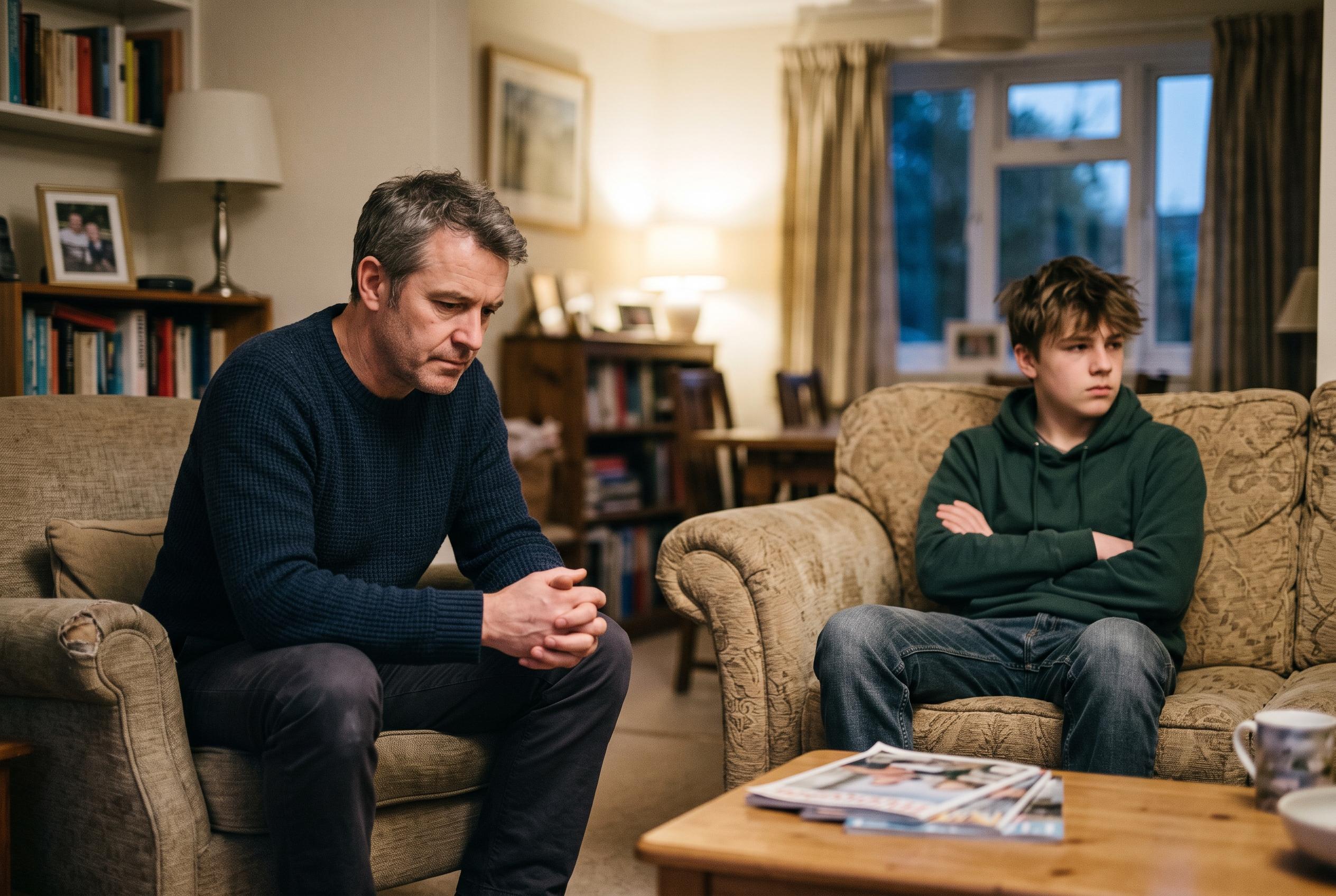

A Norwegian study suggests that conflict between teenagers and their fathers may reduce the likelihood of later receiving specialist mental health support, even after other factors are taken into account.
A new Norwegian study suggests that conflict between teenagers and their fathers may make it less likely that they go on to receive specialist mental health care, even after researchers account for a wide range of other influences. The findings, published in European Child & Adolescent Psychiatry, come from the Trondheim Early Secure Study, a long-running project that followed 822 adolescents aged 12 to 18.
Lead author Mina Moeineslam, a PhD candidate in the Department of Psychology at the Norwegian University of Science and Technology, said the greater the conflict young people experienced with their father, the less likely they were later to use specialist services. The study did not find the same pattern for closeness to a mother or best friend, and it also found no clear link between use of services and how close teenagers felt to their father.
The researchers examined a broad range of other possible explanations, including previous use of health services, gender, parents’ work and relationship status, parental mental health, the teenagers’ own symptoms, functional impairment, perceived need for help and stressful life events. Vera Skalicka, an associate professor in NTNU’s Department of Psychology, said the association between father-teen conflict and lower use of specialist services remained even after those factors were taken into account, although the study could not show that conflict with fathers directly caused the difference.
The findings fit with earlier research showing that parents often play a crucial role in whether young people reach professional help at all. Review studies have found that parents can act as gatekeepers by spotting problems, encouraging treatment and helping teenagers overcome practical and emotional barriers to care. The NTNU team said the new study adds to that picture by suggesting that tension in the father-teen relationship may have a particular impact, even if the reason for that effect is still unclear. Silje Steinsbekk, a professor at NTNU, said the results suggest that clinical need and service criteria may matter more than family relationships when specialist services decide on admission, but stressed that family ties can still shape earlier steps in help-seeking, such as deciding whether to tell someone about a problem or ask for support.
Disclaimer: This content is for informational purposes only and is not intended to be a substitute for professional medical judgment, advice, diagnosis, or treatment.



