

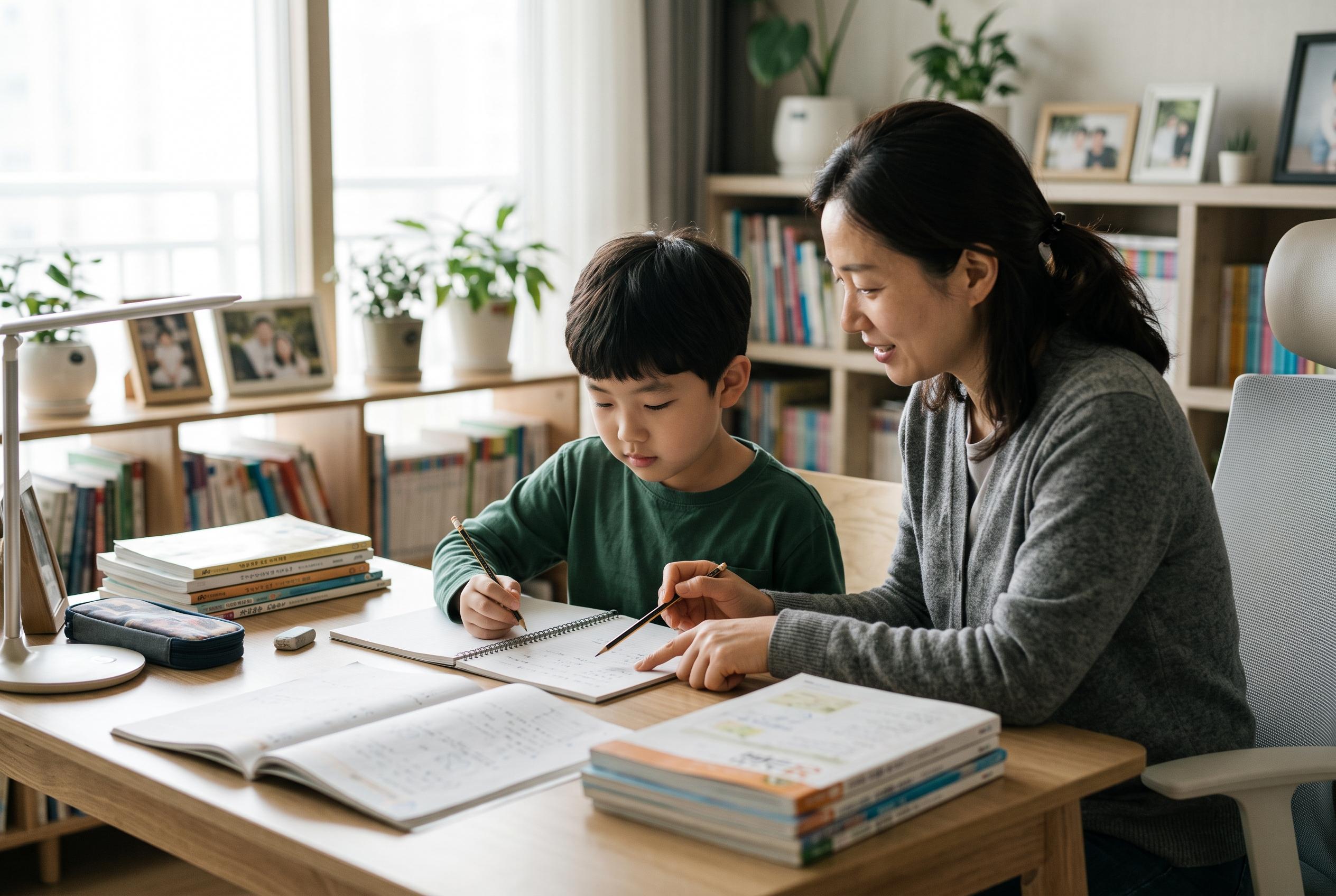

Monthly spending on tuition and enrichment has more than doubled over the past decade, even as nearly nine in 10 parents say children spend too much time on such activities.
Singaporean parents are spending more on tuition and enrichment than they did a decade ago, even as many say the pressure on children has become excessive, according to a new Institute of Policy Studies survey.
The study found that monthly spending on private tuition rose to S$500 in 2026 from S$242 in 2016, after adjusting the earlier figure for inflation. Spending on enrichment classes climbed even faster, from S$48 to S$260 over the same period. Yet nearly nine in 10 parents, or 89.8 per cent, agreed that children in Singapore spend too much time on these activities.
That apparent contradiction runs through the survey’s findings. About 70 per cent of respondents said they would still spend more on tuition and enrichment if they had the means, and roughly half pointed to peer pressure as a reason for enrolling their children in extra classes. IPS principal research fellow Mathew Mathews said tuition was not, for most parents, a response to academic weakness. Speaking at a briefing on Sept 25, he said that for nearly 60 per cent of parents, tuition was about stretching a child’s potential rather than filling a gap in schoolwork.
The survey, conducted from May to August, questioned 1,500 Singapore citizens and permanent residents aged 21 to 65 who had at least one child in a local primary school. It builds on an earlier IPS study in 2016 and shows that although children are spending more time in tuition and enrichment, homework time has fallen. In 2026, children spent 4.3 hours a week on homework, down from 6.46 hours a decade earlier.
The pattern of spending also varied by housing type. Children in one- to three-room Housing Board flats spent an average of 2.53 hours a week on tuition and enrichment, compared with 5.01 hours for those in landed homes and 4.29 hours for those in condominiums or private apartments. But family-led academic coaching did not follow the same trend. Parents in the smallest flats spent the most time on coaching, at 4.5 hours a week, while those in larger homes spent slightly less or, in the case of landed properties, about the same. IPS said this suggests paid classes do not necessarily replace help at home.
Parents also appear to see tuition as closely tied to high-stakes examinations. Almost 85 per cent said tuition gave children an advantage in the Primary School Leaving Examination, while three-quarters said their children needed it to keep up with schoolwork and prepare for exams. Around half of parents in the smallest flats also said they used enrichment classes to prepare for Direct School Admission, a route into secondary school that assesses talents beyond academic results. Mathews said this indicates the programme is not seen as the preserve of wealthier families, but as a possible pathway to a preferred school or a place where a child can excel in a particular skill.
The survey also highlights a shift in what parents value when choosing schools. For primary schools, they placed the greatest importance on teachers who support pupils’ social and emotional development, along with factors such as the school’s track record for placing students in reputable secondary schools, its competitiveness, alumni network and PSLE results. When it came to secondary schools, parents increasingly emphasised holistic fit, with character and values, discipline and the child’s own preference all rated highly. Even so, the PSLE remains central: 75.8 per cent of parents said they would still prefer their child to enter secondary school on the basis of exam results.
Disclaimer: This content is for informational purposes only and is not intended to be a substitute for professional medical judgment, advice, diagnosis, or treatment.



