

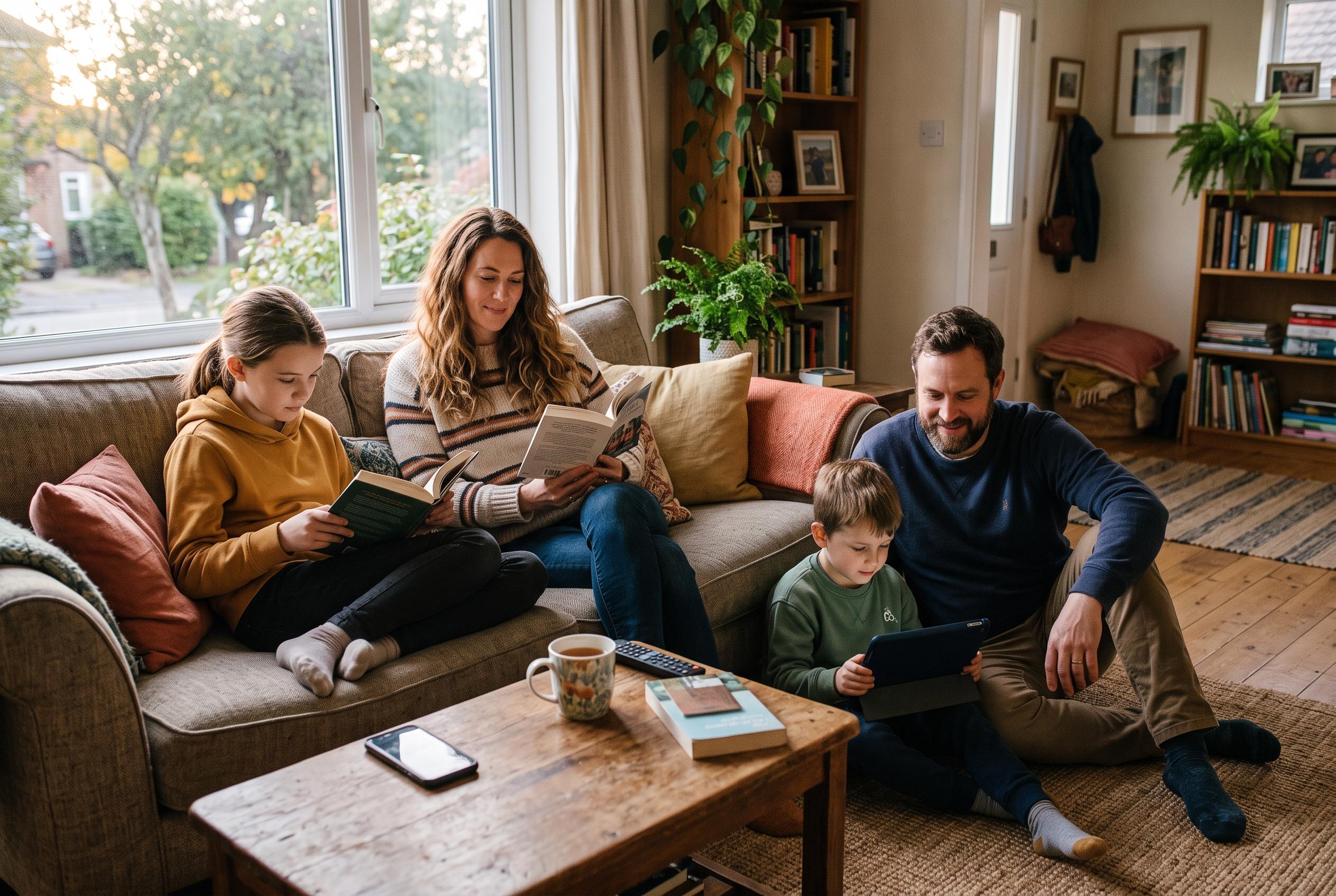

Paediatric guidance urges families to look beyond minutes spent online and set predictable rules that protect sleep, learning, movement and relationships.
For many families, digital devices have become part of the fabric of daily life, used for entertainment, homework, messaging and games. That has made screen use a regular source of tension at home, as parents look for ways to reduce conflict while keeping technology in its place. The central point, according to the American Academy of Pediatrics, is that the issue is not only how long a child spends on a device, but also what they are doing, when they are doing it and what that time displaces.
Health specialists have long warned that heavy screen use can crowd out sleep, exercise, outdoor play and face-to-face interaction. The American Academy of Pediatrics says media habits should be handled as a family issue, with parents setting clear expectations and treating digital routines as part of a broader effort to support children’s wellbeing. In practice, that means thinking beyond simple limits and paying attention to the quality of a child’s online experience.
Research and guidance from the academy also point to age as a key factor. For younger children, especially those under 18 months, only video chatting is generally encouraged, while children aged 18 months to five years are advised to keep screen use to about an hour a day of high-quality content, ideally with a parent involved. The academy has also stressed for years that devices should stay out of bedrooms and that families should create media plans that fit a child’s age and stage of development.
That helps explain why so many experts now favour house rules that are specific, predictable and shared by everyone in the home. One useful step is to create screen-free periods around meals, homework and the run-up to bedtime, when phones and tablets can interfere with concentration or make it harder to wind down. Keeping devices away from the bedroom overnight can also reduce sleep disruption, which is a common concern for parents.
Another effective approach is to build a family media plan rather than trying to improvise limits from day to day. The academy recommends that parents discuss in advance when devices may be used, which apps are suitable and how digital time will fit around schoolwork, family time and sleep. It also advises that the rules should reflect the child’s age, personality and needs, rather than applying a single standard to every child in the household.
What children do off-screen matters just as much. Sports, walks, board games, reading and creative activities all help replace passive viewing with something more active and restorative. Parents can make that transition easier by joining in, whether that means a shared walk, a family outing or a game after dinner. The academy says this kind of involvement matters because children often follow the habits they see at home.
Parents also set the tone through their own device habits. If adults are constantly checking phones at the table or during conversations, it becomes harder to persuade children that limits are important. The academy has repeatedly argued that good screen behaviour starts with adults, alongside regular discussion about online safety, the risks of unsuitable content and the need to know who children are talking to online.
The broader message from paediatric guidance is not that screens should be removed from children’s lives. Educational apps, creative tools and contact with friends and relatives can all have value. The aim is to make sure technology supports, rather than displaces, sleep, learning, movement and relationships. Used with clear rules and active parental involvement, screen time can be managed more calmly and more constructively.
Disclaimer: This content is for informational purposes only and is not intended to be a substitute for professional medical judgment, advice, diagnosis, or treatment.



