

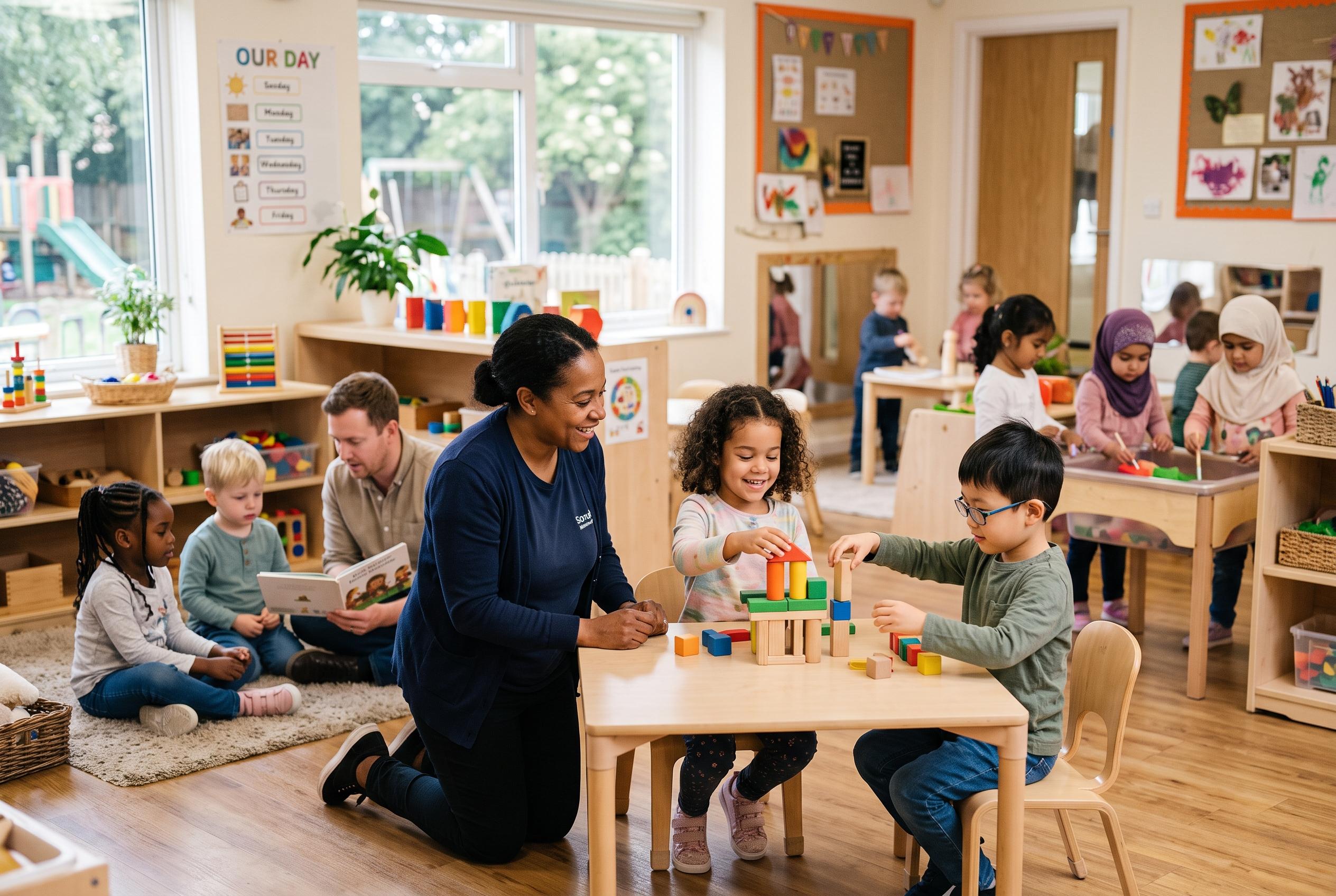

Chile’s proposed 2027 budget would lift real spending on VTF nurseries by 6.3%, raising per-child funding for more than 1,700 centres and 116,000 children as the government seeks to narrow longstanding gaps across the publicly supported early-years system.
Chile’s 2027 budget proposal marks a notable shift in how the state funds early childhood education, with the government seeking to narrow long-standing gaps between different types of publicly supported nurseries and kindergartens. María Cristina Tupper, the under-secretary for early childhood education, said the plan is the first in more than a decade to set aside extra resources for establishments financed through Vía Transferencia de Fondos, the model used by private providers, local education services and municipalities.
According to the government’s proposal, VTF centres currently educate 38% of children in publicly funded nurseries and kindergartens, yet they have historically received less money than facilities run directly by JUNJI and Integra. Tupper said the imbalance has affected basic operating needs such as teaching materials, family engagement, technical support, supplies and maintenance, even as wage conditions for workers have gradually been brought closer to those elsewhere in the system.
The budget would raise current spending on VTF-run nurseries by 6.3% in real terms, allowing the administration to push for at least a 5% real increase in the per-child allocation, or “valor párvulo”. The government says that if Congress approves the measure, almost all VTF providers would receive more than they would under the 2026 calculation method, benefiting more than 1,700 nurseries and more than 116,000 children.
Education Minister María Paz Arzola has defended the wider 2027 education budget as a deliberate bet on the earliest years of learning. In interviews and opinion pieces this month, she argued that the first years of life are the period in which nearly 90% of brain development takes place, and said public spending should reflect the importance of that stage. She also described the budget as a responsible plan intended to preserve existing benefits while directing resources towards urgent classroom needs.
Other education allocations in the draft budget point in the same direction. Reports on the proposal say JUNJI kindergartens would also receive a 5% real increase in per-child funding, while 103,743 million pesos would be earmarked to cover a deficit in the Local Public Education Services. Taken together, the measures suggest a broader effort to strengthen early childhood provision while trying to address financing pressures elsewhere in the public education system.
For Tupper, the increase is only a first step rather than a final repair. She said the government still needs to build a longer-term model that is fairer, more efficient and financially sustainable, but argued that the proposed rise would represent a meaningful advance for children, families and the institutions that serve them.
Disclaimer: This content is for informational purposes only and is not intended to be a substitute for professional medical judgment, advice, diagnosis, or treatment.



