

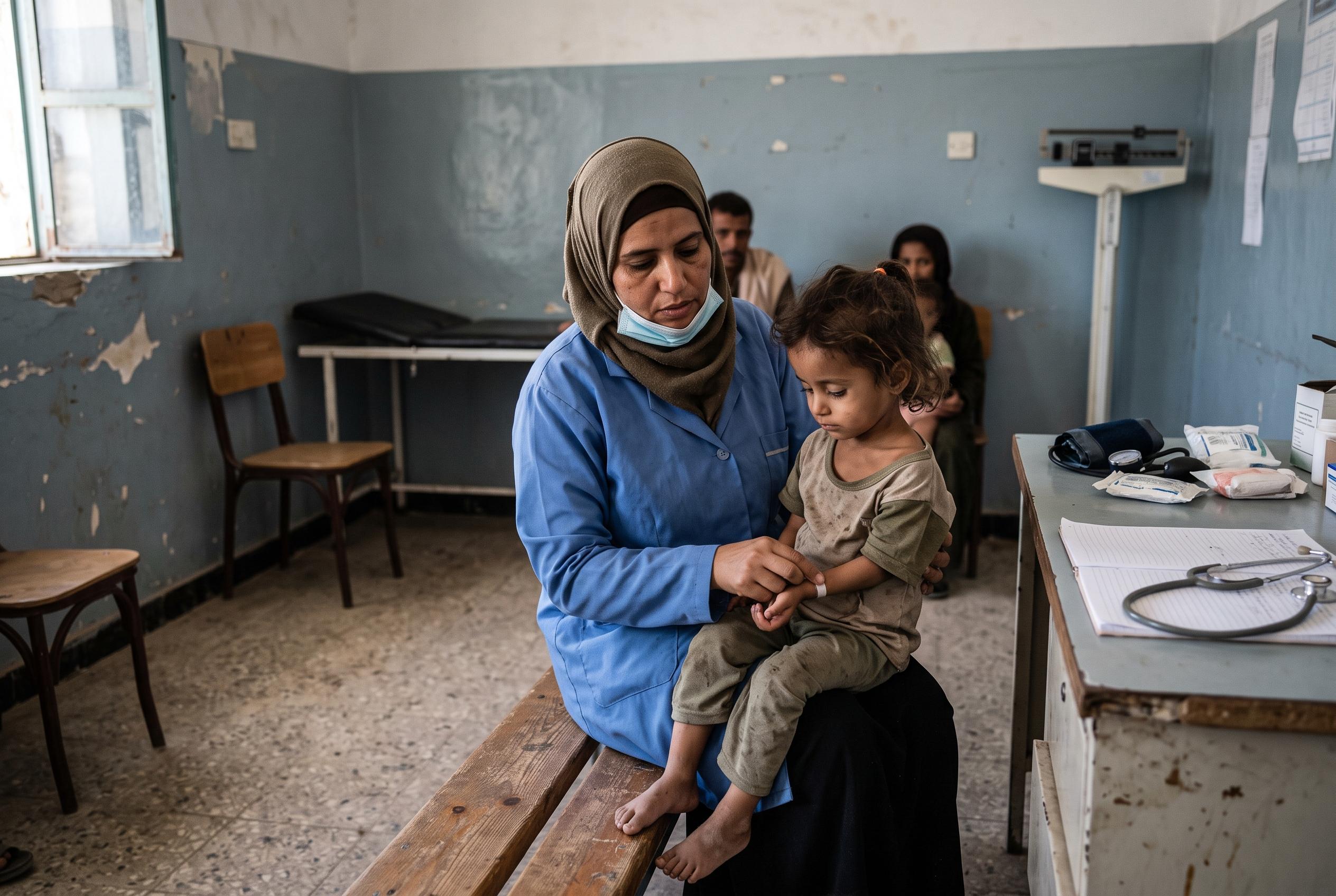

UNICEF expects about 500,000 Yemeni children to suffer severe wasting in 2026 as conflict, displacement and collapsing health services obstruct lifesaving treatment.
UNICEF has warned that acute malnutrition among children in Yemen is rising sharply, with the most severe cases threatening the lives of thousands as fighting and damage to health services continue to block access to treatment. Speaking during a briefing in Geneva from Aden, UNICEF representative in Yemen Achil Iyer said the agency was deeply alarmed by the clear increase in severe wasting among children, a condition that can become fatal without rapid care. Reuters has previously reported that Yemen’s child nutrition crisis has worsened through years of war, displacement and economic collapse, leaving millions dependent on aid.
The agency expects about 500,000 children to suffer from severe wasting in 2026, while roughly 2.2 million children are already affected by acute malnutrition, according to UNICEF figures cited in the briefing. UNICEF says only 15% of children are receiving the minimum acceptable diet needed for healthy growth and development, an indicator that underlines how widespread food insecurity has become. In its August 2024 analysis, UNICEF projected that more than 609,000 children would face acute malnutrition by the end of 2024, including more than 118,000 with severe acute malnutrition, a rise of 34% from 2023.
The wider humanitarian picture remains bleak. UNICEF said that by early 2026, 49% of Yemen’s population faced severe food insecurity and about 19.7 million people needed humanitarian assistance, including 15 million women and children. A UNICEF press release in March 2024 said that more than 2.7 million children were acutely malnourished and that 49% of children under five were stunted, reflecting the longer-term damage caused by chronic hunger and poor living conditions.
Access to care is becoming harder as well. UNICEF said more than 104,000 people, including over 57,000 children, were displaced over a two-week period, while services were disrupted at 26 UNICEF-supported health facilities. The agency said about 40% of Yemen’s health facilities are now operating only partially or have shut down altogether because of staff shortages, weak financing, power cuts, medicine shortages and damaged infrastructure. UNICEF plans to treat more than 412,000 children with severe wasting in 2026 and has appealed for $146.3 million to help 5.2 million people, including 3.5 million children.
The organisation also said fighting and restrictions imposed by the Houthis are obstructing medical access in areas they control, including the movement of health teams and vaccination workers. That leaves the most vulnerable children caught between hunger and disease at a time when early diagnosis, therapeutic feeding and reliable clinic access are essential to survival. UNICEF’s warnings echo a broader pattern documented over several years: without sustained access, more children are likely to drift from acute malnutrition into life-threatening illness.
Disclaimer: This content is for informational purposes only and is not intended to be a substitute for professional medical judgment, advice, diagnosis, or treatment.



