

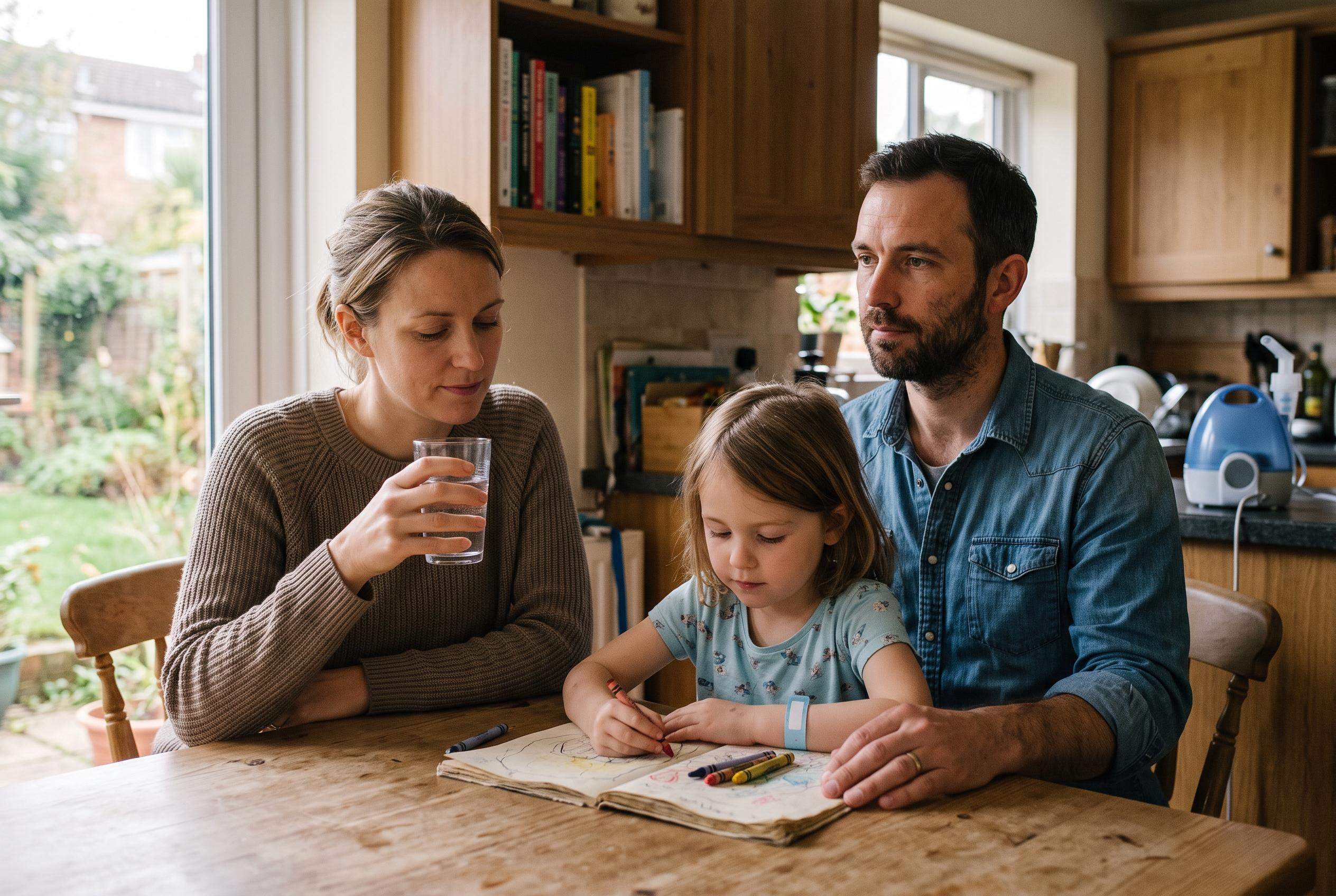

More than half of families reported major changes within two months of a child’s diagnosis, rising to more than four in five by 26 months.
Families of children treated for a common, highly curable form of leukaemia can face severe disruption long before therapy ends, according to research published in the October issue of the Journal of the National Comprehensive Cancer Network. The study, based on children enrolled in a large Children’s Oncology Group trial, found that more than half of households had already experienced at least one major change, such as employment disruption or a shift in marital status, within about two months of diagnosis.
The findings matter because the trial focused on standard-risk B-cell acute lymphoblastic leukaemia, or B-ALL, the most common childhood cancer. The researchers followed 420 children treated between 2010 and 2013 and said adverse family outcomes became more common as treatment continued. By 26 months, more than four in five families reported at least one household change, suggesting that the burden of care extends well beyond the medical challenge itself.
Lead author Rozalyn Rodwin of Yale Cancer Centre said in the journal that cancer treatment can affect a child’s family financially, socially and emotionally, and that support should begin at the start of care. She said the study did not show that lower-intensity treatment clearly reduced broader family strain, which she argued strengthens the case for routinely screening caregivers for financial pressure and other home-related changes.
The new report fits with earlier research showing that childhood leukaemia treatment often reverberates through daily life. A 2014 study in the Journal of Clinical Oncology found that many parents cut work hours, passed up job opportunities or experienced relationship changes during the first year of therapy, while a 2020 study in Cancer Nursing reported that social functioning was hit hardest during hospital care and that coping worsened when children needed repeat admissions. Taken together, the studies suggest that even when survival rates are high, families may need sustained practical and emotional support throughout treatment.
Disclaimer: This content is for informational purposes only and is not intended to be a substitute for professional medical judgment, advice, diagnosis, or treatment.



