


Experts say shifting the focus from grades to curiosity, effort and connection can help children feel safer and more engaged at school.
A month after schools reopened, many families are still adjusting to the return of timetables, homework and after-school commitments. For some children, though, the challenge is deeper than settling back into routine. What begins as curiosity can quickly harden into pressure if every lesson feels like a test, and experts say the result is often anxiety rather than engagement.
Dr Ritu Gupta, a clinical psychologist and psychotherapist in Dubai, told Health Magazine that the biggest barrier is often not the syllabus itself but fear of making mistakes. When children start to believe their value depends on performance, she said, they can become guarded and less willing to ask questions. Her view is that school becomes more inviting when children feel safe, connected and seen as people rather than marks on a page.
That principle, other educators argue, starts at home with the way adults talk to children about school. Aastha Kanwar Gautam, founder and director of Shemford Futuristic School in Jalesar, India, said conversations centred only on grades can make learning feel like judgement. She recommends asking children what they noticed, what interested them and what they found surprising. In her view, learning becomes more meaningful when children feel they are taking part in it rather than merely enduring it.
Both women also stress that structure and warmth do not conflict. Gupta says discipline and connection can strengthen one another, and suggests short, everyday conversations that are not about schoolwork at all. A brief chat about a football match, a pet or a favourite song, she says, can send a powerful message that a child is valued beyond academic output. When children are resistant to school or homework, Gautam argues that adults should treat that resistance as information, not defiance, because it may point to difficulty, discomfort or plain exhaustion.
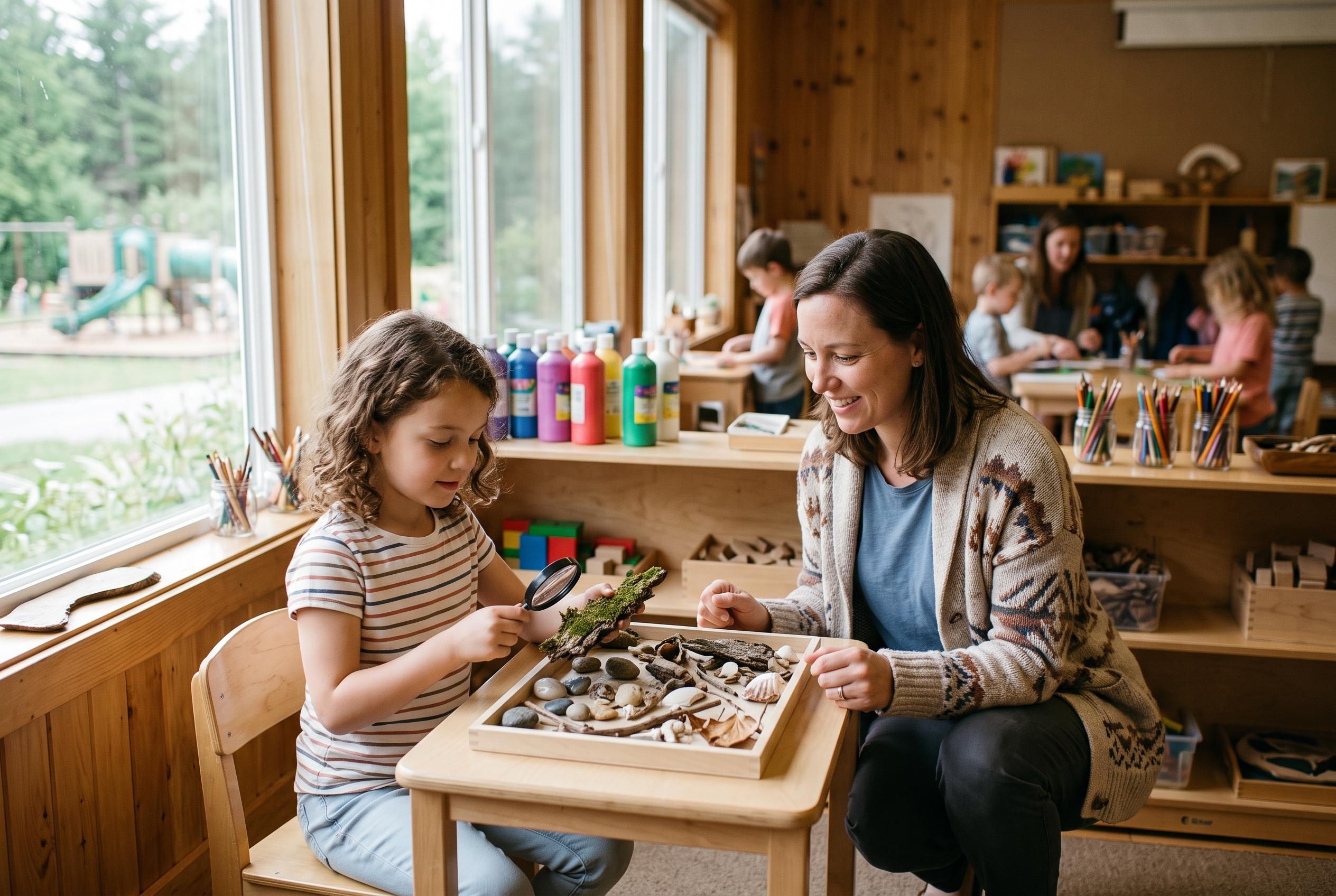
The same thinking can be used to make lessons feel more alive. Education guides from other schools and parenting resources recommend hands-on activities, play, games and even educational technology to keep children involved. GreatSchools, for example, suggests simple projects such as graphing the weather, counting coins or making comic books, while other learning guides recommend using real-world experiences and creative tasks to connect school subjects with daily life. Gupta and Gautam would both see value in that approach, particularly where children are given some ownership, whether that means choosing a project topic, helping shape classroom rules or solving problems drawn from everyday life.
For Gupta, one of the most important changes parents can make is in what they praise. Instead of celebrating only the final grade, she urges adults to notice effort, persistence and improvement, including the child who keeps trying after getting something wrong. That shift, she says, teaches children that school is a place to grow, not a place to prove how clever they already are. Gautam puts it more simply: children thrive when they feel safe enough to speak, curious enough to ask and confident enough to try. The measure of success, then, is not only what they achieve on paper, but whether they keep their curiosity intact.
Disclaimer: This content is for informational purposes only and is not intended to be a substitute for professional medical judgment, advice, diagnosis, or treatment.



