

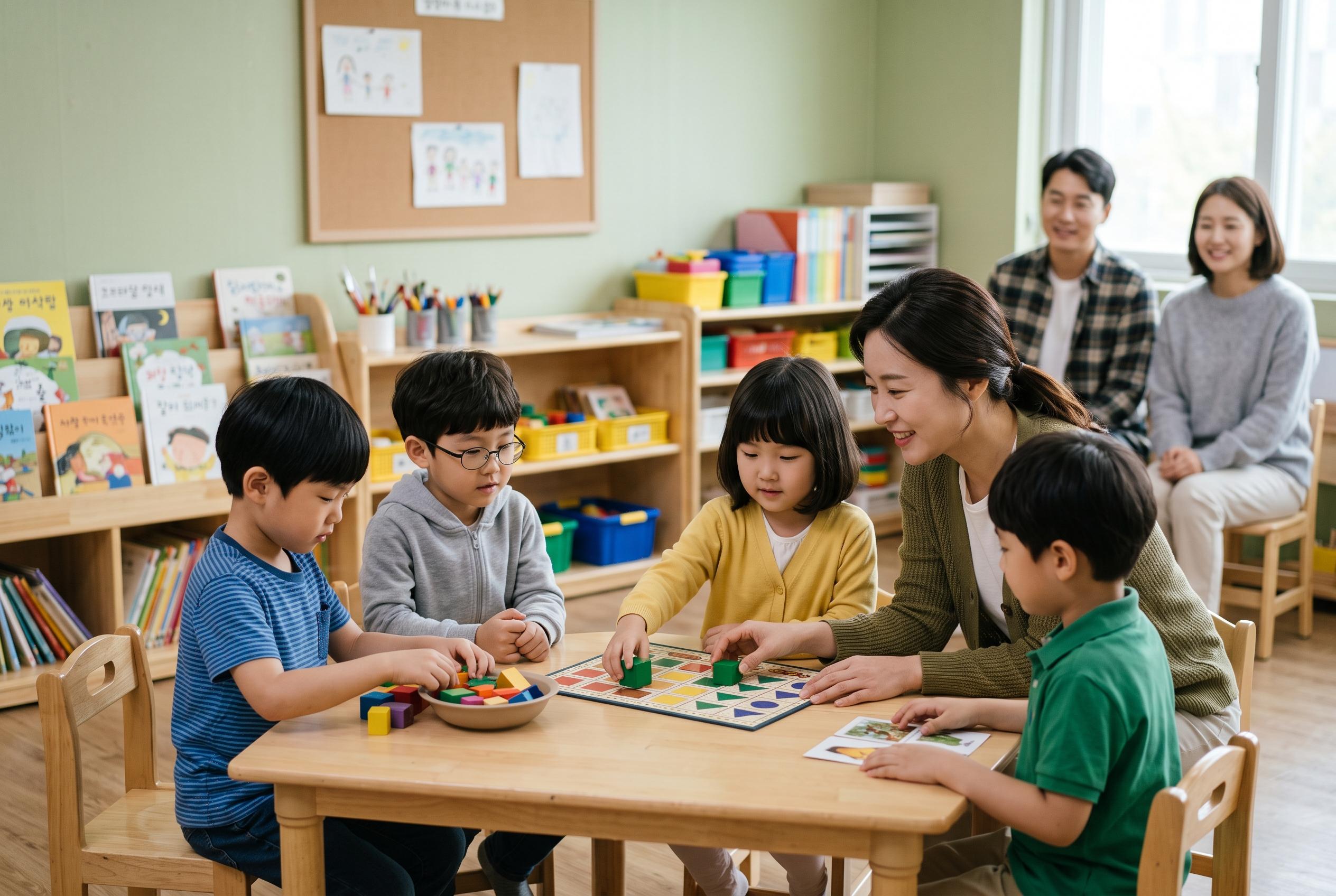

A 10-month pilot in Yuen Long and Tin Shui Wai found improvements in attention, emotional regulation and social adjustment among children receiving targeted support, alongside lower stress for their parents.
Hong Kong’s Children’s Welfare Club says early support can make a measurable difference for children with special educational needs as they move from kindergarten into primary school, after a pilot study in Yuen Long and Tin Shui Wai found improvements in learning, social adjustment and emotional regulation among participating pupils. The organisation said the findings also point to lower parenting stress when families receive structured help alongside the child.
The group carried out the study during the 2025/26 school year with 76 children in Yuen Long and Tin Shui Wai who were receiving the Education Bureau’s second-tier support. The children included pupils with autism spectrum disorder, attention deficit hyperactivity disorder, developmental delay and speech difficulties. According to the group, 42 child-parent pairs were placed in an intervention group and received around 10 months of targeted training, while 34 pairs formed a comparison group and did not receive the same support.
The intervention combined small-group training for children with workshops and emotional-support sessions for parents. Children took part in social and emotional adaptation groups as well as learning-adaptation groups, while parents attended workshops designed to strengthen their understanding of their children’s needs and equip them with practical strategies. The organisation said teachers involved in the study found that one-to-one consultations, visual prompts and ready-to-use classroom language were especially helpful because they could be applied directly in daily teaching and also benefit other pupils.
According to the study’s findings, both parents and teachers reported clear gains in attention and impulsivity among children in the intervention group. Families said some children became better able to complete homework independently, control frustration and recognise their emotions before reacting. The organisation said improvements were also seen in social communication, emotional expression and the ability to understand and manage feelings. Those results are in line with wider evidence that structured, evidence-based support can help children with autism and related needs strengthen social communication and emotional regulation.
The benefits were not limited to the children. The organisation said parental stress fell significantly among the intervention group because mothers and fathers had a better grasp of their children’s traits and a clearer sense of how to respond to social, emotional and adjustment difficulties. That finding comes against a broader backdrop of rising identification of special educational needs in Hong Kong schools and continuing efforts by the authorities and universities to improve early assessment and support. The Education Bureau says primary schooling already includes support services for pupils with special educational needs, while City University of Hong Kong said in August 2026 that research-backed work had helped reduce waiting times for preschool SEN assessments to zero in the 2024/25 school year.
The Children’s Welfare Club said schools should add support for social communication, emotional regulation and attention early in Primary One, rather than waiting until problems become entrenched. It also argued that transition services should do more than meet immediate care needs, and should instead help children build lasting coping skills, give parents greater confidence and provide teachers with practical methods that can be woven into ordinary classroom routines.
Disclaimer: This content is for informational purposes only and is not intended to be a substitute for professional medical judgment, advice, diagnosis, or treatment.



