

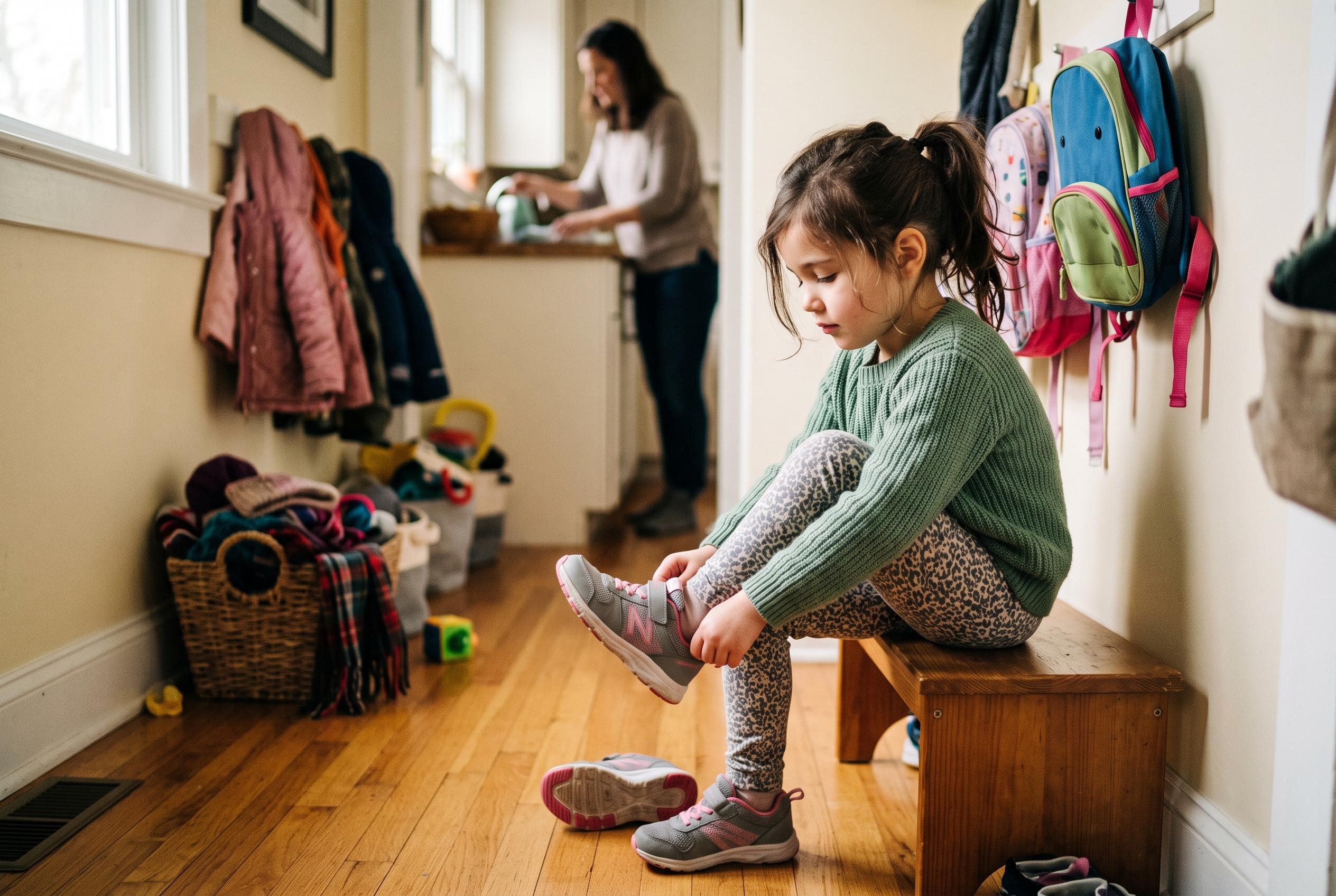

School readiness is about far more than knowing letters and numbers: everyday routines, emotional regulation and persistence can help children make a confident start.
Parents often want a simple answer to a complicated question: what does it really mean for a child to be ready for kindergarten? The most useful answer, according to organisations such as the National Association for the Education of Young Children and Head Start, is that readiness is broader than recognising letters, counting to 10 or reciting colours. It includes social and emotional development, language, physical well-being, self-regulation and the habits children use to take part in learning, such as attention, persistence, flexibility and curiosity.
In practice, readiness often shows up in small everyday moments. A child who can separate from a parent, follow a short routine, wait for a turn, ask for help, clean up after an activity or keep trying when something is difficult is already building the skills needed in a classroom. Miller Children’s & Women’s Hospital says kindergarten readiness is about having the developmental skills needed to participate successfully in school, not about arriving on the first day already knowing everything that will be taught.
That broader view is also reflected in guidance from Head Start, which says school readiness depends on children, families and schools all being prepared for the transition. The Texas Education Agency has similarly emphasised that developmentally appropriate, play-based learning helps children build the linguistic, cognitive and social skills that predict later success. In other words, readiness is not a fixed destination but a process that grows through experience, especially when children are encouraged to explore, communicate and solve problems.
Parents can support that process at home by giving children chances to practise independence. Letting them dress themselves, use the bathroom on their own, wash their hands, open food containers, pack a backpack and tidy up after themselves may take more time at first, but those routines build confidence. It also helps to allow a child to struggle a little before stepping in. A stubborn zip, a toppled block tower or a puzzle piece that will not fit can become an opportunity to practise persistence, encouragement and problem-solving, all of which matter as much as early academics.
Disclaimer: This content is for informational purposes only and is not intended to be a substitute for professional medical judgment, advice, diagnosis, or treatment.



