

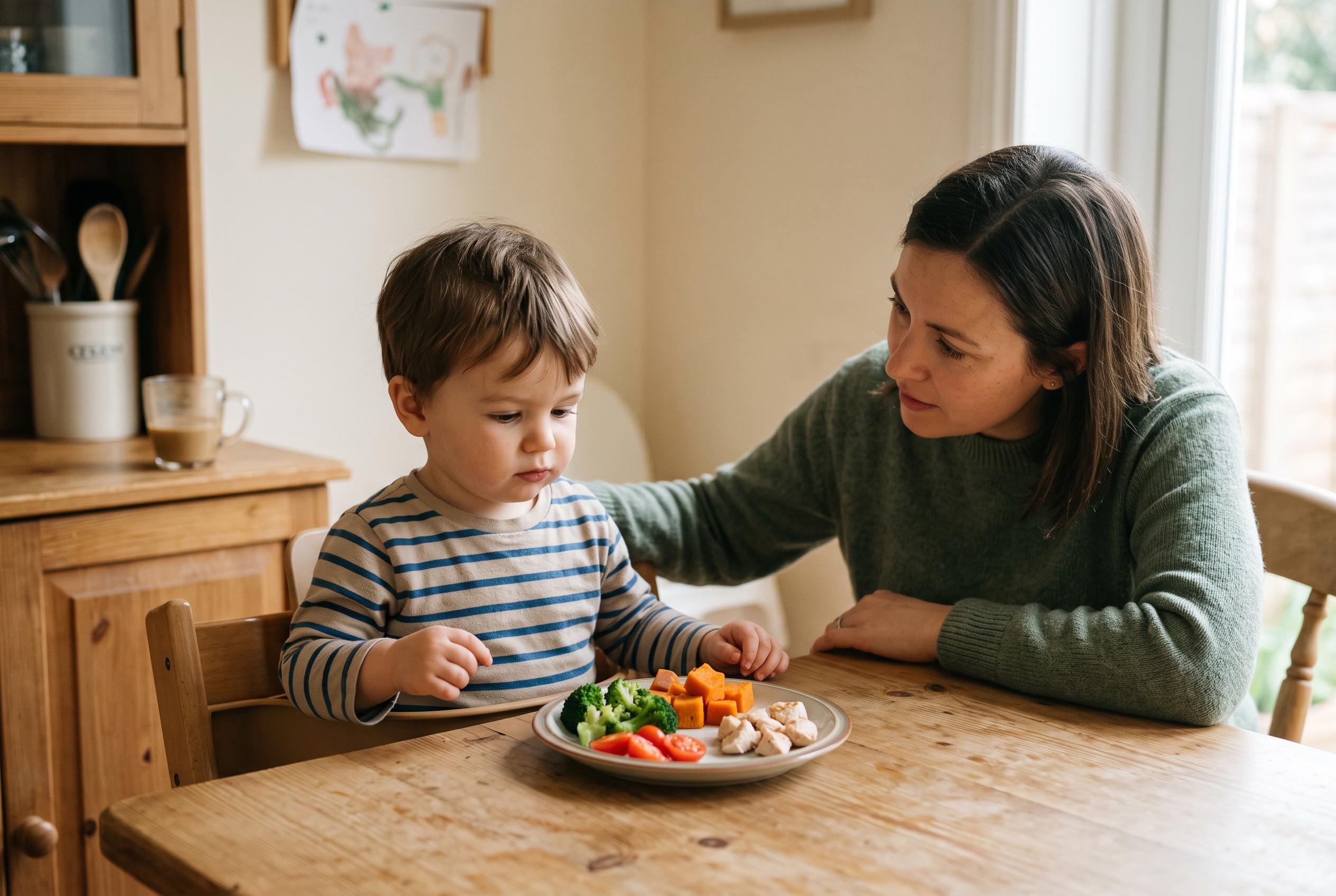

Selective eating often begins as toddlers assert their independence, but a restricted diet, poor weight gain or feeding difficulties may require early medical advice.
Picky eating is one of the most common concerns in early childhood, and it can leave parents feeling worried and frustrated when carefully prepared meals are refused. Dr Sheena Davahran, a consultant paediatrician at Ara Damansara Medical Centre, says it is usually part of normal development rather than a sign that something is wrong. The medical literature published by Cambridge University Press notes that picky eating is common in young children, though experts still do not agree on one standard definition or a single reliable way to measure it.
The behaviour often starts between 18 months and two years old, when toddlers begin asserting independence and making choices for themselves. A child who once ate a wide range of foods during weaning may suddenly reject foods they used to enjoy. Cambridge research points to several possible influences, including early feeding problems, a late move to lumpier textures during weaning and pressure to eat. It also suggests that children may become more selective when parents are already worried about what they are eating.
Although many children move through this phase naturally, diet quality can suffer if food choices remain very narrow. Research published in the Proceedings of the Nutrition Society found that limited variety may lead to lower intakes of iron and zinc, especially when children eat little meat, fruit and vegetables. It also warns that a low intake of fruit and vegetables can reduce fibre and contribute to constipation. In some children, persistent selectivity has also been linked with developmental difficulties, which is why doctors advise keeping an eye on growth and overall wellbeing.
Davahran recommends a practical, low-pressure approach. Parents can offer healthier versions of foods children already like, such as homemade chicken nuggets or oven-baked potato wedges instead of heavily processed alternatives. She also encourages families to eat together, because children often copy what they see at the table. Screens should be kept away from meals so children can pay attention to taste, texture and the act of eating itself. If a child eats very little at one sitting, parents can look at the day as a whole and offer nutritious snacks such as fruit or bread between meals. However, if poor weight gain, signs of deficiency, gagging, vomiting or an extremely restricted diet persist, doctors say the child should be assessed early.
Disclaimer: This content is for informational purposes only and is not intended to be a substitute for professional medical judgment, advice, diagnosis, or treatment.



