


Clalit Health Services says anxiety, PTSD and psychiatric emergencies among children have continued to rise years after 7 October, with evacuees facing the sharpest impact.
Clalit Health Services says the psychological toll of the war that began after Oct. 7 has become one of the clearest and most persistent health crises in Israel, with new data showing sharp rises in anxiety, post-traumatic stress disorder and other mental-health needs across its five million members.
In a report released on 4 October, Israel’s largest health provider said new anxiety diagnoses rose 45.5% and new PTSD diagnoses doubled in the first year of war. Clalit said the pattern did not fade over time, with elevated PTSD rates still evident in the third year, particularly among communities under sustained stress. Prof. Amir Krivoy, who leads Clalit’s mental-health division, said the findings show that the trauma linked to Oct. 7 is “not an isolated, passing event, but a deep and ongoing crisis that presents a national challenge to Israel’s mental health system”.
The burden has been especially heavy among evacuees from the south and north. Clalit said referrals and visits to community mental-health services climbed by roughly 20% to 28% over the three-year period, with much sharper increases among people forced from areas near the Gaza Strip. Among southern evacuees, PTSD diagnoses were 18 times higher in the first year of war than in the year before it began, remained 11 times higher in the second year and were still six times higher in the third. Anxiety diagnoses among that group rose tenfold in the first year, while sleep disorders jumped 358%.
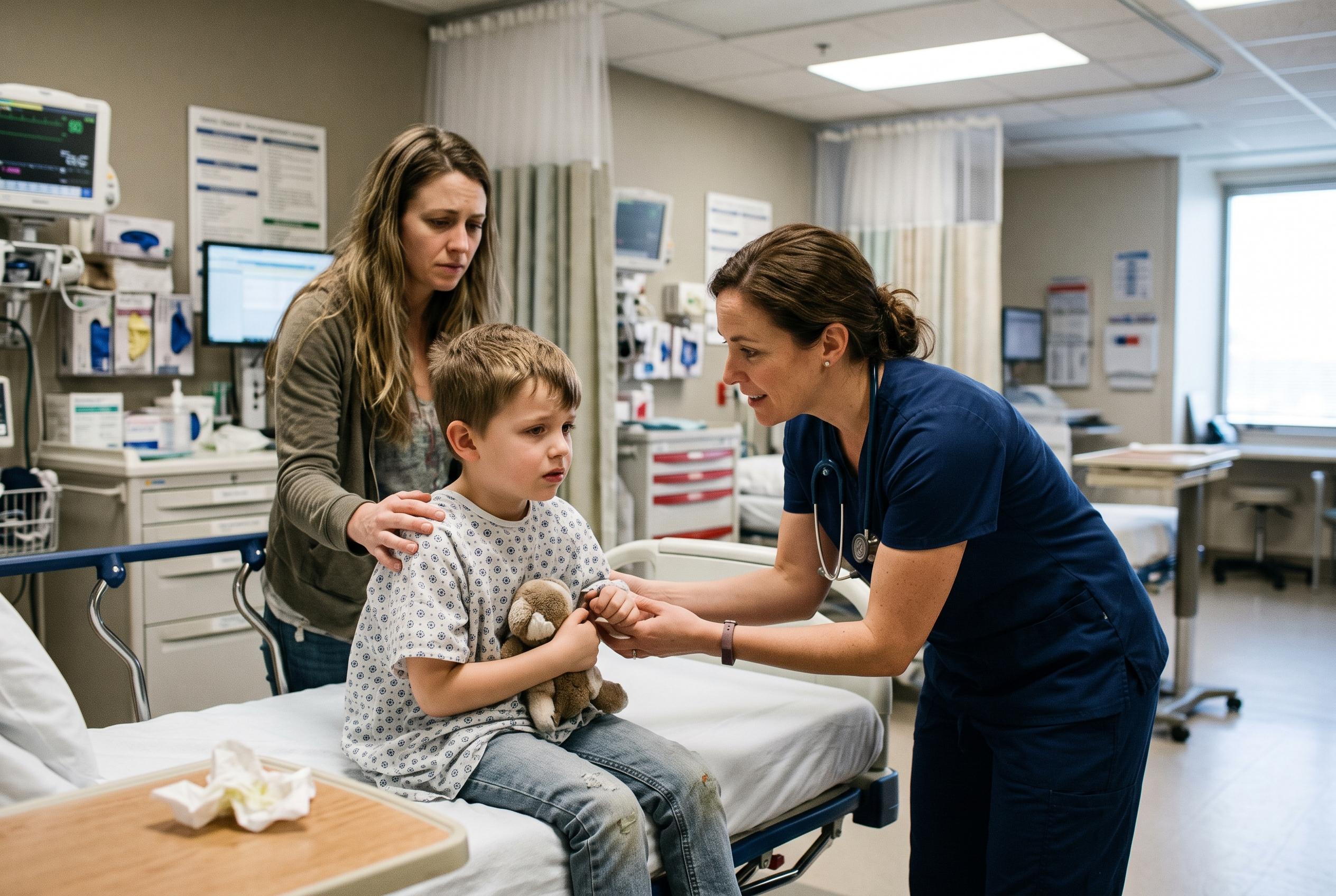
The impact has been particularly visible among children and teenagers. Clalit said psychiatric emergency visits for that age group rose 78.3% in the second year of war and 121.3% in the third, more than double the pre-war level. Referrals from paediatricians to mental-health services rose 52.1%, while anxiety diagnoses among children across Israel increased by 40% to 70%. Jordan Lewinski, who heads Clalit’s mental-health services, said the strain is also appearing in physical symptoms, including a 47.8% rise in the use of desmopressin, a drug used for bedwetting.
Beyond mental health, the report points to broader disruption in day-to-day medical care. Clalit said blood-pressure control worsened significantly, diabetes management slipped and new diagnoses of high cholesterol and blood-lipid disorders increased by about 20% in the general population, with an increase of roughly 60% among northern evacuees. The organisation said many displaced families spent months in hotels, where routines, exercise and diet were harder to maintain. Preventive screening also fell, including mammography among women evacuated from the north and colorectal-cancer screening among evacuees from both the south and the north.
The health system’s response also changed. Face-to-face appointments fell by about 13%, while telephone consultations rose 36%; among evacuees, remote visits increased by around 50%. Clalit said that shift helped preserve continuity of care during prolonged disruption. Yet not all indicators worsened. Stroke rates across the general population remained broadly stable, and cardiology and neurology specialists cited that as a sign that some parts of the system have held steady. Still, Gil Lavie, who heads planning and strategy at Clalit, said the report shows where long-term investment will now be needed most: mental health, children, evacuees, chronic disease and screening.
Disclaimer: This content is for informational purposes only and is not intended to be a substitute for professional medical judgment, advice, diagnosis, or treatment.



