


From sorting tasks into “now, next and later” to protecting sleep and creating calm routines, experts share practical ways to help children cope with mounting pressure.
Children today are navigating more than homework, exams and friendships. According to Cleveland Clinic, many are also dealing with a constant stream of alarming news, pressure to perform and the always-on comparison culture of social media. That combination can make school feel less like a place to learn and more like a source of daily strain. Psychologist Susan Albers describes it as a “perfect storm of pressure”, and says the effects often do not stop at the school gate.
Dr Albers says school stress can show up in many ways, including mood changes, behaviour problems and physical complaints. Cleveland Clinic advises parents to help children understand that stress can affect concentration, memory and decision-making, which means all-night study sessions, excessive caffeine or panicked cramming may backfire. Healthline similarly recommends practical tools such as deep breathing, muscle relaxation and regular exercise, alongside open conversations about what a child is feeling. The aim is not to remove every challenge, but to help children recognise stress and respond to it more effectively.
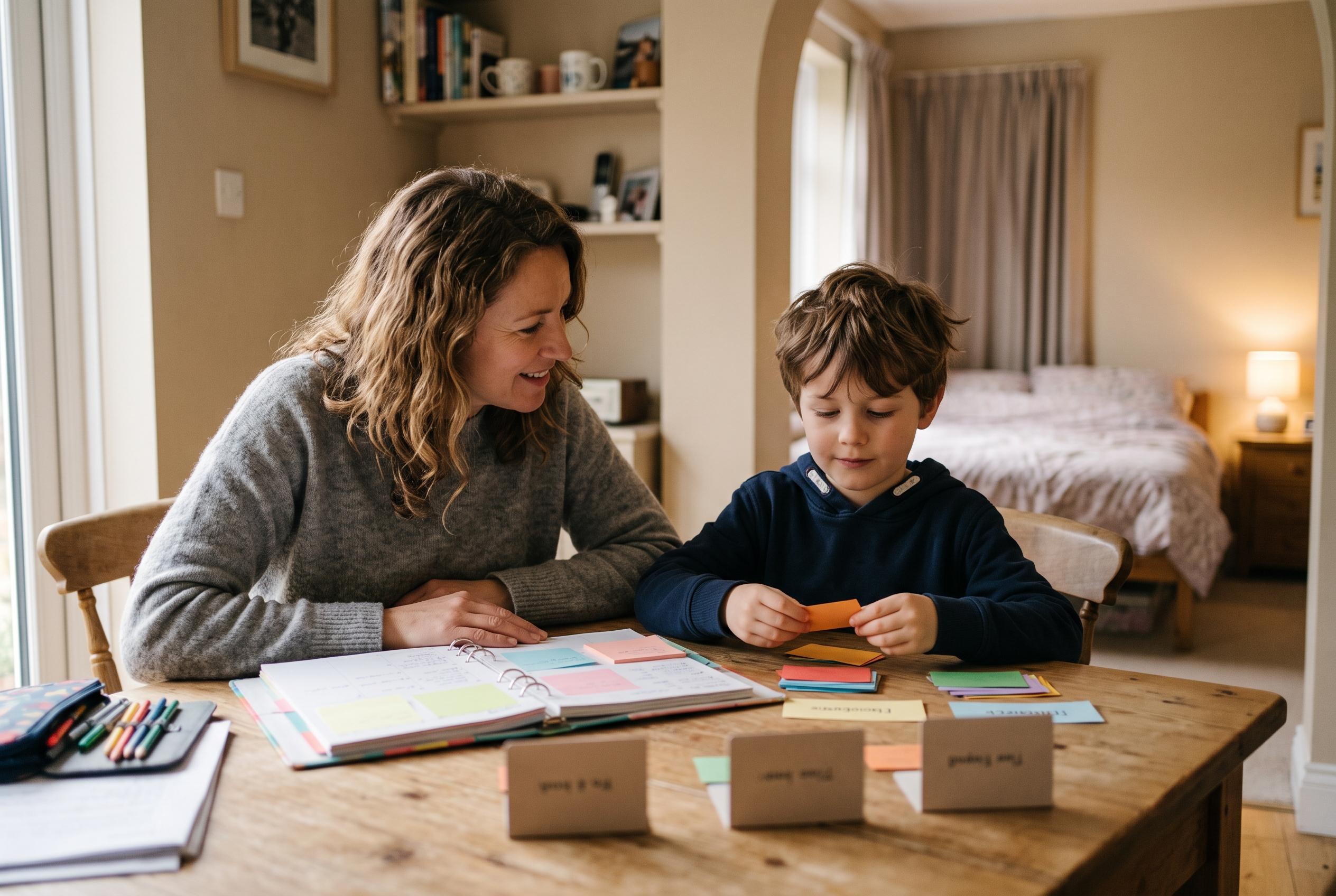
One useful approach is to break pressure down into manageable parts. Cleveland Clinic suggests sorting tasks into “now, next and later”, so children can focus on what truly needs attention today before moving on to the rest. Understood recommends a similar strategy for younger pupils, encouraging families to divide homework into smaller steps and talk through the things that feel most difficult. That kind of planning can reduce overwhelm and give children a clearer sense of control, particularly when school, clubs and home responsibilities begin to pile up.
Boundaries and routines can also make a difference. Cleveland Clinic recommends building “well-being anchors” into a child’s week, such as enough sleep, family meals, reading for pleasure or time outdoors. Children’s Health says back-to-school anxiety often eases when families establish predictable routines and address worries early, while the Kids Mental Health Foundation advises easing children back into school rhythms before term starts. The U.S. Surgeon General has also warned that social media can affect mental health depending on how much time young people spend online and whether it interferes with sleep, physical activity or other essential habits.
Just as important is how adults respond. Cleveland Clinic says children often pick up emotional signals from the grown-ups around them, so a calm, steady response from a parent or carer can help settle a child’s own nervous system. The clinic also advises building a wider circle of trusted adults, so children have more than one safe person to talk to. Parents should seek professional help if stress seems persistent or severe, especially if a child is withdrawing, avoiding school, losing confidence, becoming physically unwell or talking about self-harm. Some stress is normal, but when it becomes constant, it can start to affect both mental and physical health.
Disclaimer: This content is for informational purposes only and is not intended to be a substitute for professional medical judgment, advice, diagnosis, or treatment.



