

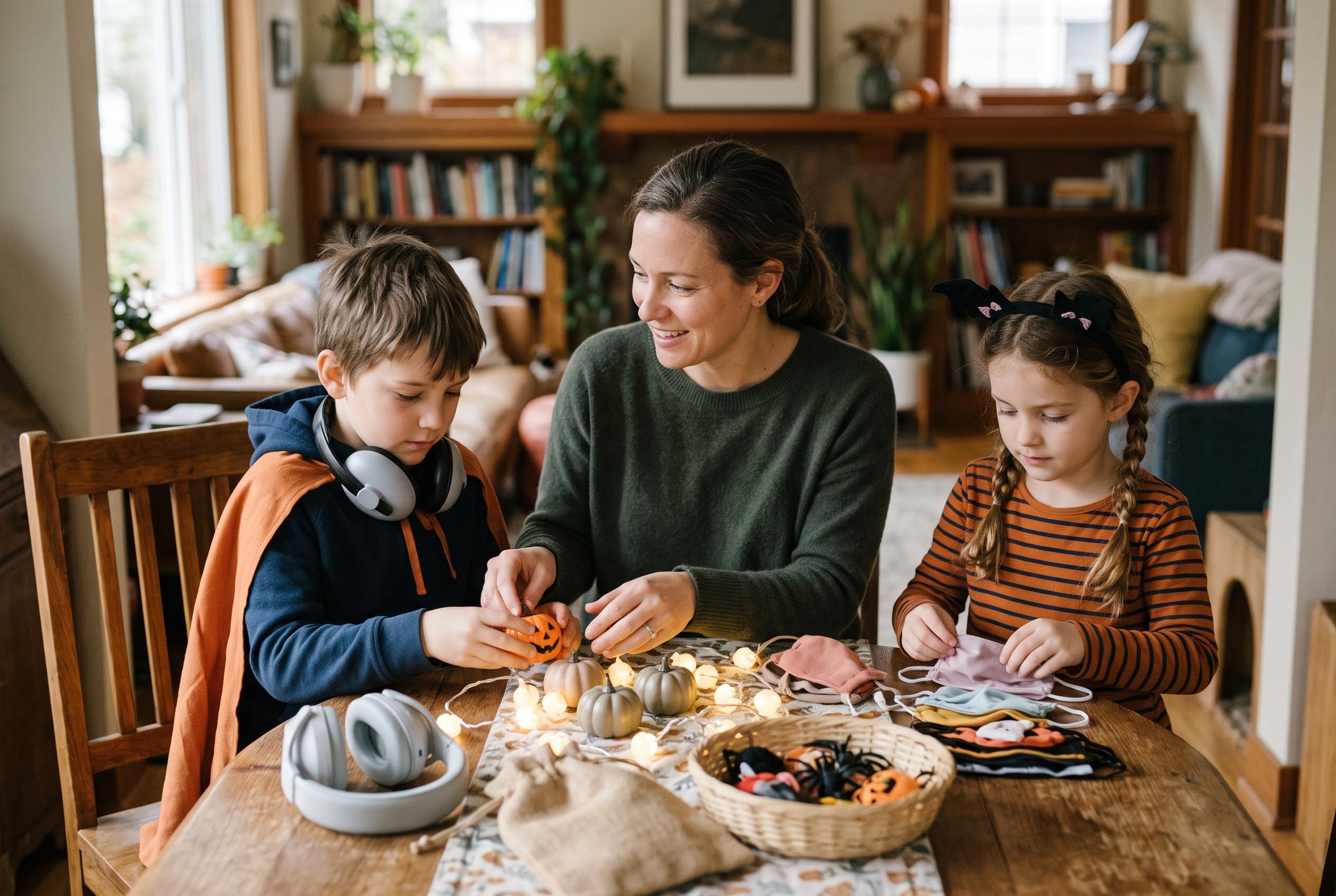

Simple adjustments and preparation can transform Halloween into a festive yet manageable experience for neurodivergent children, helping families balance fun and comfort.
Halloween can be a joy-filled night for many children, but for neurodivergent children it can also bring a heavy load of sensory and social demands. Unfamiliar routines, scratchy costumes, flashing lights, loud noises and the pressure to greet strangers can quickly turn a festive evening into an exhausting one. Parents and carers do not need to treat the holiday as an all-or-nothing event; with the right adjustments, it can be shaped to suit a child’s needs rather than overwhelm them.
Preparation often makes the biggest difference. According to Dr Joshua Resa, a paediatrician at Hoag Medical Group, families can begin by noticing how a child responds to Halloween displays and seasonal changes well before the big night, then use that insight to choose the right level of participation. Storybooks, role-play and short practice runs can help children understand what to expect, while trying on costumes in advance can reduce anxiety when the evening arrives. Many therapists and family-support organisations make the same point: visual schedules, social stories and rehearsing the trick-or-treat sequence can give children a clearer sense of the order of events and lower stress.
Comfort should come first when choosing clothing and accessories. A costume that scratches, pinches or restricts movement can undo careful planning, which is why many specialists recommend soft fabrics, tag-free clothing and simple outfits built from everyday items. Face paint, headbands or other low-burden alternatives may work better than masks, particularly for children who struggle with visibility, heat or pressure on the face. If a child already relies on headphones, sunglasses, a weighted vest or compression clothing to stay regulated, those supports can often be woven into the costume rather than set aside for the sake of appearance.
Families who want to avoid the busiest or most unpredictable parts of the evening have plenty of alternatives. Community groups increasingly offer sensory-friendly Halloween events with reduced noise and lighting, while daytime or early-evening trick-or-treating can avoid the dark and the largest crowds. Some neighbourhoods also stage trunk-or-treat events, which give children a more contained setting and allow them to see the layout in advance. Others choose to skip the street altogether and mark the occasion at home with a small gathering, a favourite film or another celebration that feels calmer and more manageable.
For those who do go out, a small support kit can help the evening stay on track. That might include a familiar comfort item, water, a preferred snack, fidget tools and noise-cancelling headphones. Families may also want to carry substitute sweets in case a child receives something they cannot eat, and identify a quiet place to take a break if regulation starts to slip. Keeping the outing short and predictable, then returning to a low-key evening with dimmed lights and a steady bedtime routine, can help a child settle after the excitement. The broader message from clinicians and family advocates is simple: Halloween should fit the child, not the other way round.
Disclaimer: This content is for informational purposes only and is not intended to be a substitute for professional medical judgment, advice, diagnosis, or treatment.



