

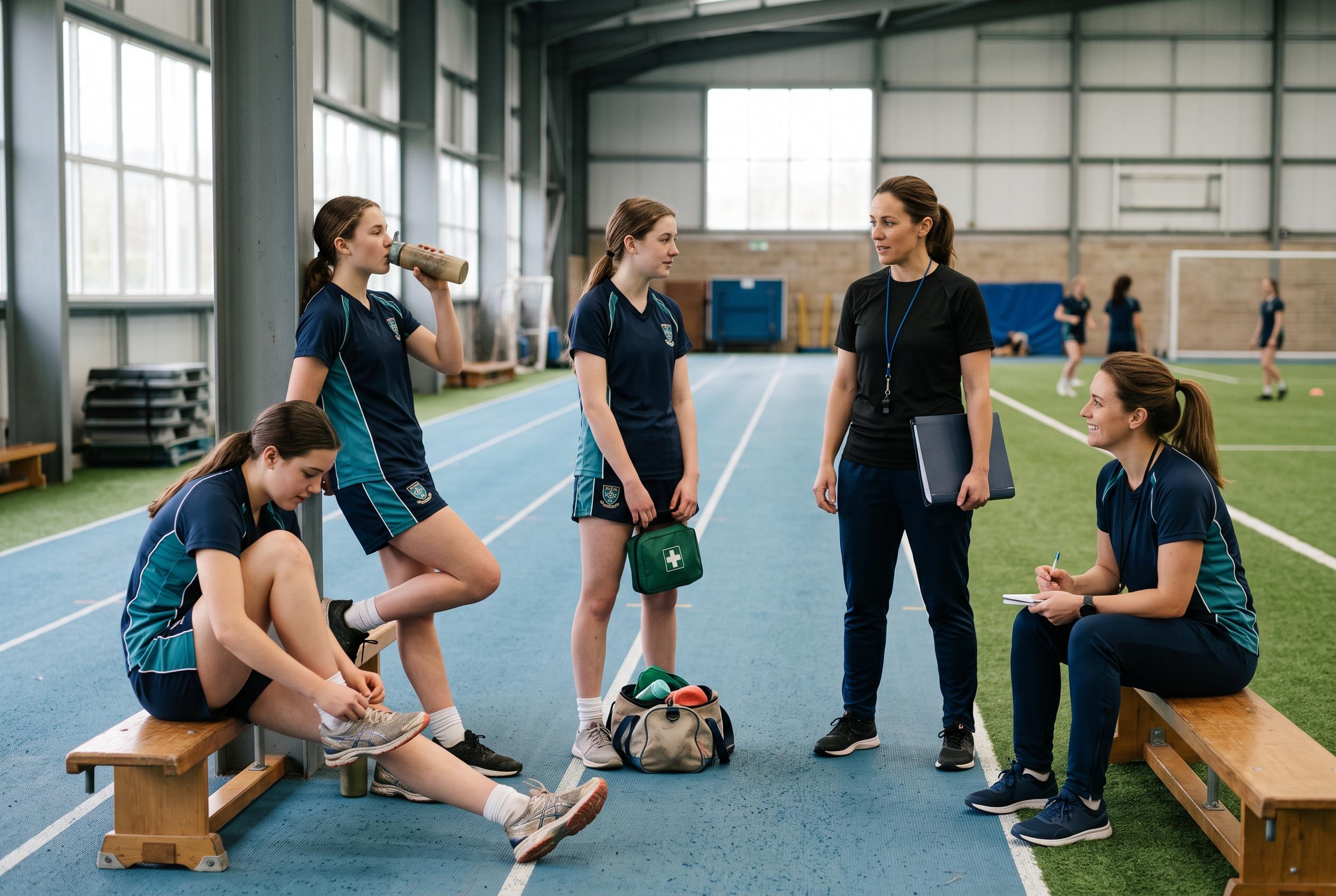

A new study from Norway and Sweden highlights ongoing shortcomings in coach training regarding female-specific needs, risking athlete wellbeing and retention.
A growing body of research suggests that girls and women are still being coached through a framework built largely around male athletes, and new findings from Norway and Sweden point to a persistent gap in how coaches are prepared for female-specific needs. Ådne Ausland, a researcher at the University of Agder, said the problem is not simply a lack of goodwill but a deeper failure in coach education, particularly around issues such as growth, puberty and menstruation. His team surveyed 779 coaches of female athletes and found that, although those subjects were widely seen as important, many coaches lacked the confidence to address them properly.
What stood out, according to the study published in Sports Coaching Review and the International Journal of Sports Science & Coaching, was that the knowledge gap did not disappear with experience or with the coach’s gender. Female coaches reported the same shortfalls as men, suggesting that the problem is structural rather than personal. That finding is echoed in the wider literature on sport coaching, which has long shown that coaching cultures can be dominated by male norms and that women remain under-represented in coaching roles, especially in environments where formal education and advancement opportunities are unevenly distributed.
The practical consequences can be stark. Ausland said interviews with eight former Norwegian elite athletes revealed two sharply different kinds of coaching experience. Some described training environments in which period pain, low energy and other warning signs were treated as weakness, leaving them to push through discomfort until it became injury or long-term strain. Others recalled coaches who were attentive, open and trusted, creating an atmosphere in which they felt able to speak honestly about how they were feeling. That contrast matters because research on athlete burnout and stalled careers has repeatedly linked poor communication, overtraining and inadequate support to declining performance and early drop-out.
The broader concern, researchers say, is that sport still begins from the assumption that boys’ and men’s bodies are the default case. Because less than 10% of sports research focuses exclusively on girls and women, many clubs and teams are working with a thin evidence base when it comes to female athletes. Ausland and his colleagues argue that coaches do not need medical expertise to make a difference, but they do need habits that make it normal to ask how an athlete is feeling, to adjust training when needed and to make clear that speaking up will not be punished. Their message is simple: when coaches listen first, athletes are more likely to stay healthy, stay engaged and stay in sport.
Disclaimer: This content is for informational purposes only and is not intended to be a substitute for professional medical judgment, advice, diagnosis, or treatment.



