

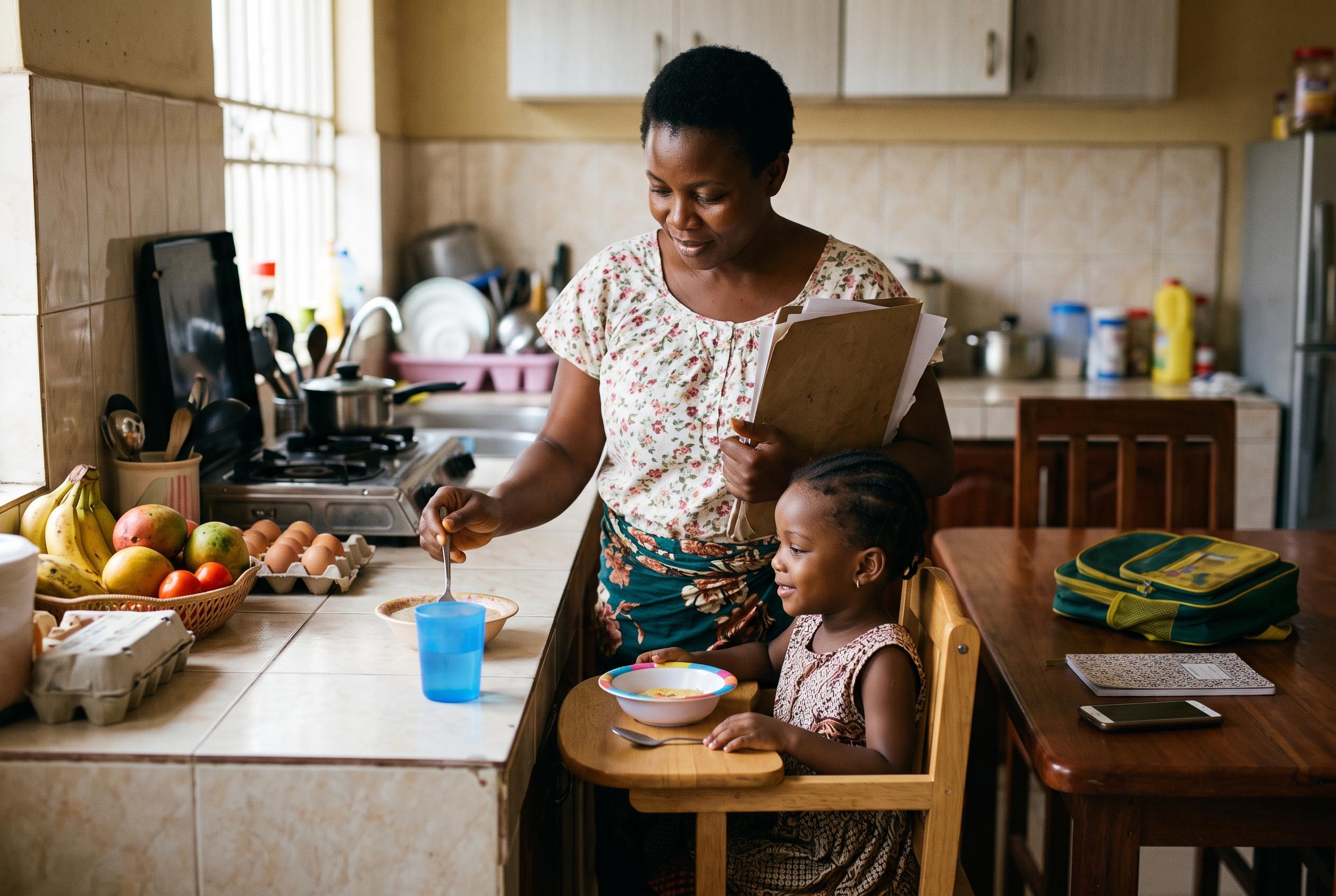

Nigeria is fast-tracking a new National Food and Nutrition Bill to strengthen accountability and sustain nutrition programmes nationwide, amid pressing concerns over child malnutrition and economic losses. Vice President Kashim Shettima highlights the legal push as vital for long-term impact and regional collaboration, drawing lessons from Ethiopia’s success.
Nigeria will move more quickly to legislate support for its nutrition spending, with Vice President Kashim Shettima saying the government is working on a National Food and Nutrition Bill designed to protect funding, improve accountability and keep nutrition programmes alive across successive administrations.
Speaking in Addis Ababa at the Nigeria-Ethiopia Nutrition Leadership Exchange Forum, Shettima said the planned law would bolster the government’s Nutrition 774 Initiative and help bind federal, state and local authorities into a single framework for action against malnutrition. He argued that the country needs a more durable structure if it is to reach mothers and children in the most vulnerable communities.
The push comes as Nigeria tries to turn nutrition policy into a long-term national project rather than a series of disconnected interventions. According to the Federal Government, the National Policy on Food and Nutrition 2026-2035 sets targets of reducing stunting to 32 per cent by 2029, 28 per cent by 2032 and 25 per cent by 2035. Officials have also said the policy has already been adopted by the National Council on Nutrition and sent for federal ratification.
Shettima told the forum that nutrition committees have now been created in 32 state houses of assembly and in more than 450 local governments, giving the administration what he described as the right moment to entrench the response in law. He said the aim is to back grassroots planning, especially in local councils, which he called the system’s lowest but most important tier for financing and accountability.
The vice president also pointed to funding gains. He said Nigeria’s $26 million contribution to the Child Nutrition Fund helped unlock an additional $52 million for nutrition interventions, while 21 states have put in $6.3 million since 2023 for supplies to prevent and treat malnutrition. In Abuja, the Nutrition 774 Initiative Strategy Board has already adopted a domestic financing model, and the Presidency has urged the remaining states to establish their nutrition councils. Officials have also said existing tools, including a proposed Presidential Nutrition Investment Fund and the sugar-sweetened beverage levy, could be tapped to support the work.
Shettima framed the effort as both a social and economic necessity. He said 40 per cent of Nigerian children under five are affected by stunting and cited an estimated annual economic loss of $56 billion linked to undernutrition. “We can only claim that our budget fulfils its purpose when it nourishes a child,” he said.
He also used the Addis Ababa forum to deepen ties with Ethiopia, which has made nutrition a central part of its development strategy. Ethiopia’s Deputy Prime Minister Temesgen Tiruneh said more than 100,000 Ethiopian children have been protected from malnutrition through community mobilisation and better diets, and he urged sustained political commitment, financing and monitoring. The two leaders also discussed trade, investment, food security, aviation and security, while Tiruneh welcomed progress on the transfer of sentenced persons agreement and renewed calls for a Nigeria-Ethiopia joint commission.
Shettima said Nigeria should learn from Ethiopia’s experience as both countries seek wider African development gains. He praised Ethiopia’s progress in agriculture and value addition and said stronger private-sector cooperation under the African Continental Free Trade Area could help generate jobs and growth.
Disclaimer: This content is for informational purposes only and is not intended to be a substitute for professional medical judgment, advice, diagnosis, or treatment.



