

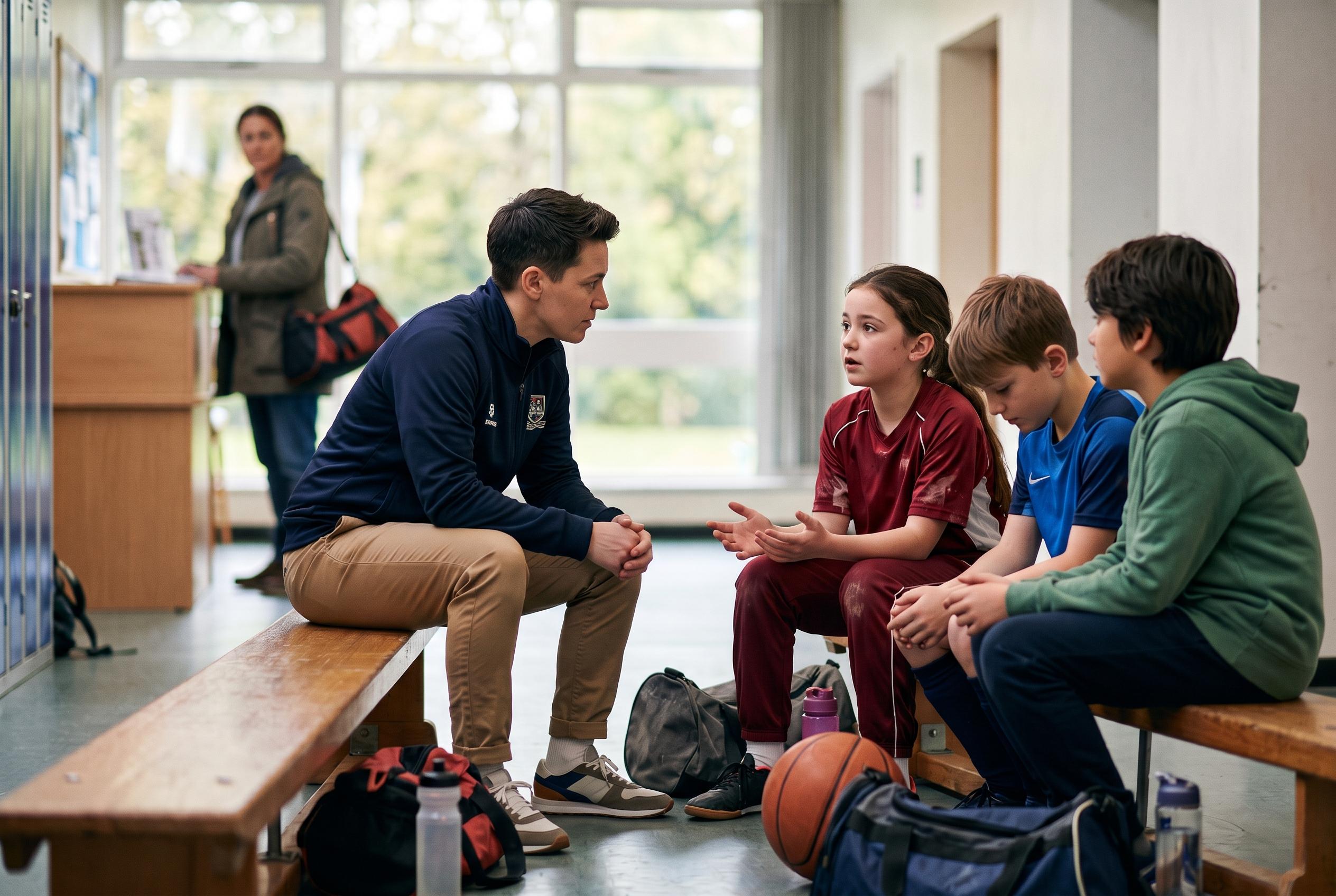

As October marks Bullying Prevention Month, a SafeSport official emphasises the importance of proactive conversations and understanding the root causes of bullying to foster safer sports and social environments for children.
October is Bullying Prevention Month, and a U.S. Centre for SafeSport expert says the most effective response begins long before hurtful conduct becomes entrenched. Monica Rivera, vice-president for education and research at the Denver-based organisation, urged parents and coaches to look past the familiar image of a child acting out and instead ask what pressures, stress or unmet needs may be shaping that behaviour.
According to SafeSport, children who bully others are not always motivated by cruelty alone. Rivera said some are coping with trauma, family problems, school difficulties, identity changes or a lack of healthier ways to handle conflict. In some cases, she said, a child may lash out because they are trying to avoid becoming a target themselves. UNICEF defines bullying as behaviour marked by intent, repetition and an imbalance of power, which helps explain why experts say prevention must address patterns rather than isolated incidents.
Rivera also said parents should stay alert to signs that a child may be on the receiving end of bullying, including reluctance to go to practice, withdrawal from friends or changes in mood. Rather than waiting for a child to raise the alarm, she encouraged adults to notice shifts in behaviour and respond with curiosity. If a parent suspects their own child is bullying others, Rivera said the first step is not panic but a serious effort to understand what is driving the conduct and to teach more constructive responses.
SafeSport says those conversations should happen regularly, not just after a problem surfaces. The organisation advises parents and coaches to make talk about respect, conflict and inclusion part of everyday life, including asking children how they would handle tension with a teammate or what they would do if someone were being left out. Its broader guidance on abuse prevention also stresses clear expectations, consistent communication, modelling appropriate behaviour and responding quickly when misconduct appears. Founded in 2017, the independent non-profit is charged with helping to prevent and investigate abuse and misconduct in U.S. Olympic and Paralympic sport, while also training athletes, parents, coaches and volunteers on safer practices.
Disclaimer: This content is for informational purposes only and is not intended to be a substitute for professional medical judgment, advice, diagnosis, or treatment.



