

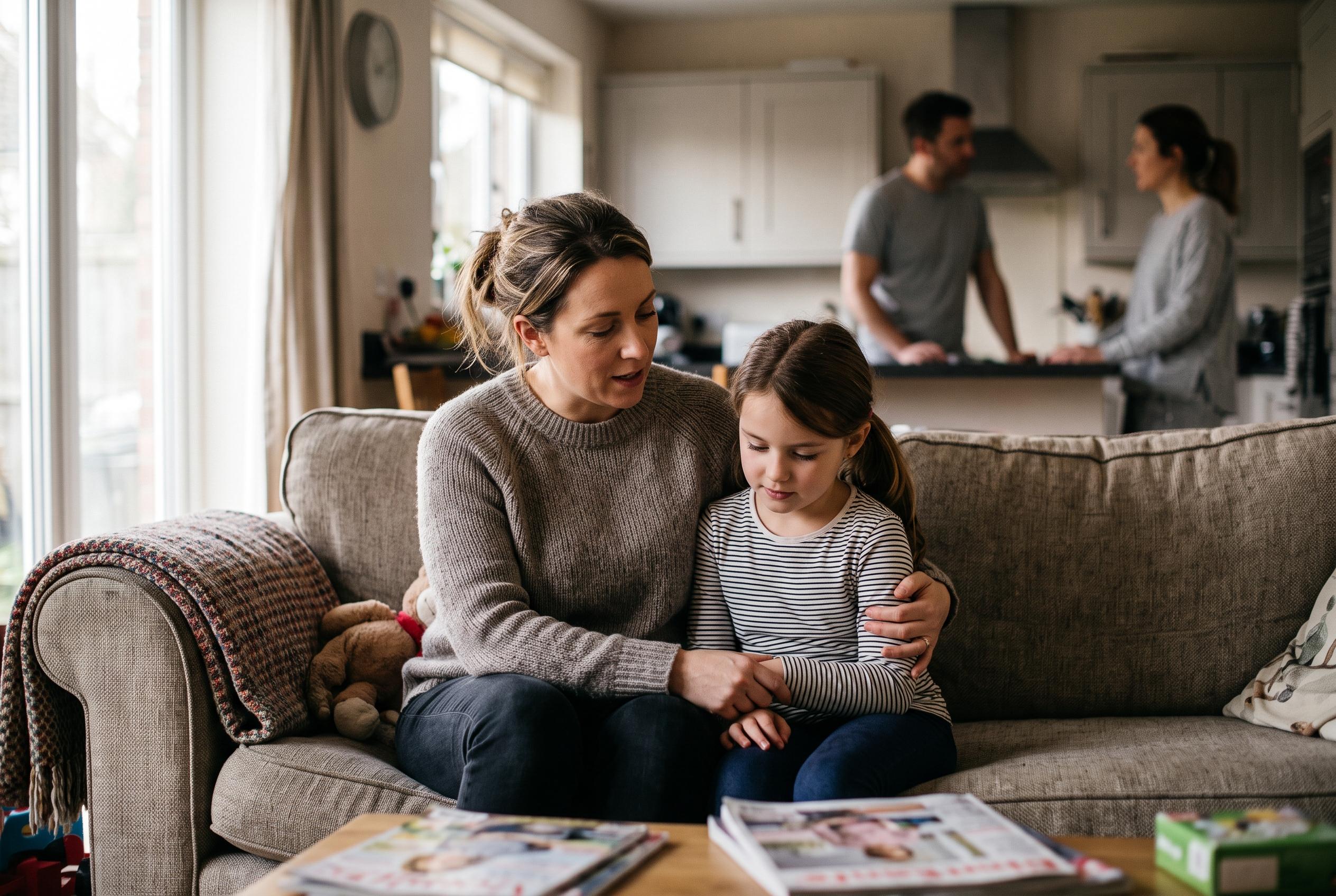

Experts advise honest, gentle conversations to help children understand parental disagreements, fostering security and resilience during family strain.
Children often notice tension at home long before adults say anything out loud. Behaviour changes can be one of the first clues: a child who becomes withdrawn, snappish, anxious or unusually quiet may be reacting to conflict between parents that they do not fully understand. Psychology Today says that children tend to pick up on these shifts through the close, often non-verbal bond they share with their caregivers, and that silence around what they sense can be more distressing than the conflict itself.
That is why experts say it is usually better to address the unease directly, once parents have calmed themselves enough to speak carefully. The key is to choose a private, quiet moment and, where possible, to let both parents take part. A simple explanation can help: acknowledge that arguments have been happening, say that adults sometimes disagree, and make clear that the child is not responsible. The American Academy of Pediatrics’ HealthyChildren.org and University of Minnesota Extension both recommend clear, age-appropriate language, reassurance about love and safety, and openness to children’s questions without burdening them with adult details.
Psychology Today also warns against treating a child as a confidant or offering more information than they can safely carry. Children should be told enough to ease the pressure of what they have sensed, but not drawn into the substance of the disagreement. If a child asks what the argument is about, parents can say it is grown-up business and keep the focus on reassurance rather than explanation. The aim is not to persuade the child that nothing is wrong when they can plainly feel that something is, but to help them understand that parental conflict is not their fault and does not mean they are unsafe or unloved.
That advice aligns with guidance from the University of Missouri Extension, which says parental conflict can unsettle children when they are pulled into adult problems or left to make sense of them alone. Maintaining warmth, boundaries and regular routines can help children feel more secure, especially during family strain. Research highlighted by ScienceDaily has also pointed to longer-term effects of repeated parental conflict, including anxiety, hyper-vigilance and misreading neutral situations as hostile later in life.
The broader message is that honesty, handled gently, can be more comforting than denial. Parents do not have to pretend that everything is fine, nor do they need to share every painful detail. They can simply name the tension, reassure the child that adults can disagree and still work towards solutions, and keep the door open for more conversation later. For children, that combination of truth, calm and availability can make the difference between carrying private fear and feeling protected by the adults around them.
Disclaimer: This content is for informational purposes only and is not intended to be a substitute for professional medical judgment, advice, diagnosis, or treatment.



