

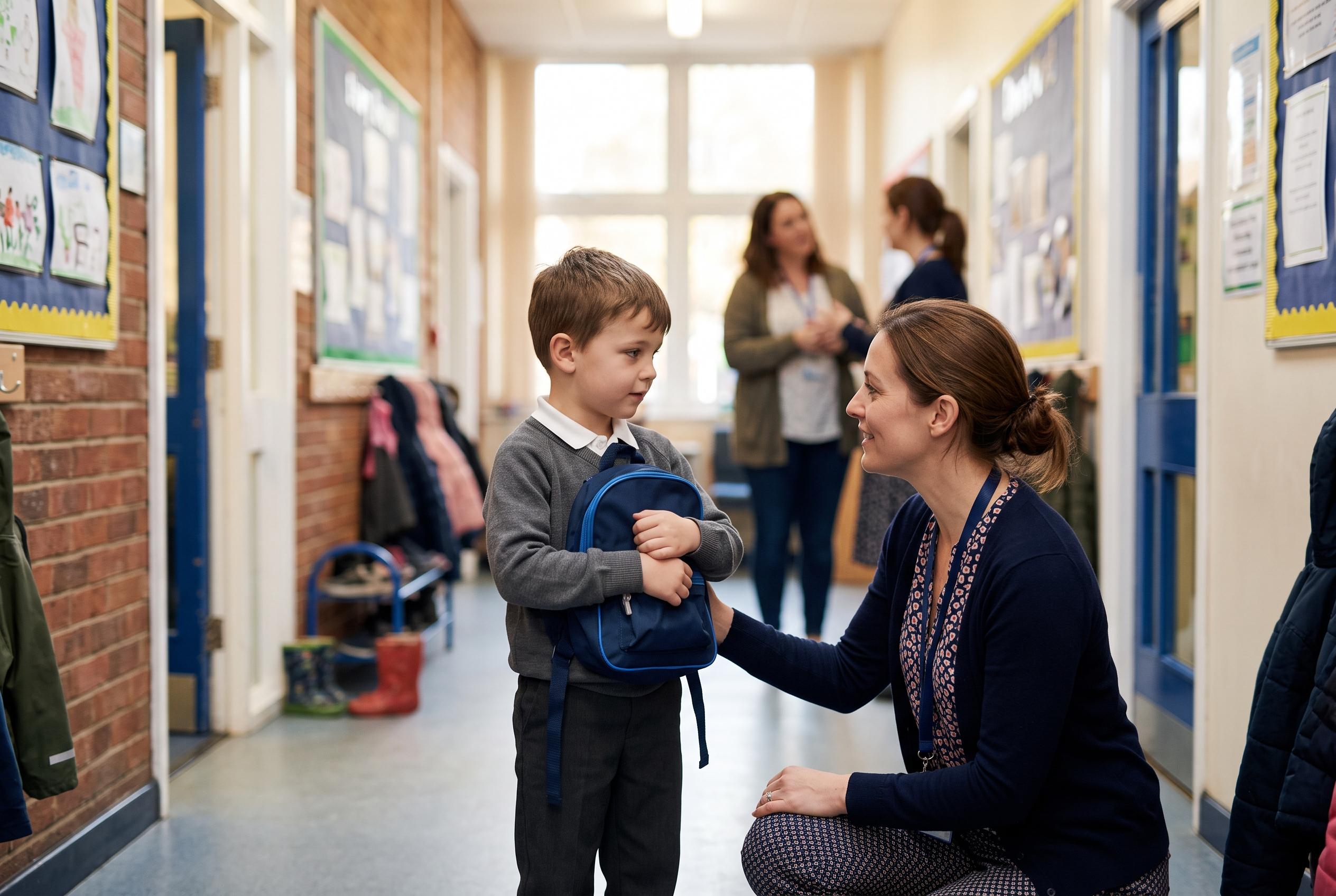

Official figures reveal an increase in persistent school absence in England, highlighting the urgent need for emotionally secure, personalised approaches to support vulnerable pupils and improve attendance rates.
School attendance in England remains under strain, with official government figures showing that 18.14% of pupils were persistently absent in the 2024-25 academic year. That means they missed at least one in ten school sessions, a level far above the 11% recorded before the pandemic. The same data shows severe absence, defined as missing half or more of all lessons, stood at 2.39%, while The Guardian reported earlier this year that more than 170,000 children in England were falling into that category.
Mental health is a major part of the picture. YoungMinds says one in five people aged eight to 25 had a probable mental health condition in 2023, and it also points to rising demand for emergency support. Separate youth research cited by The Prince’s Trust and NatWest found that one in five young people in the UK had missed school or work in the past year because of mental health difficulties. For some pupils, that can develop into emotionally based school avoidance, where anxiety or distress becomes closely tied to the school environment.
But the issue is not only about diagnosis or anxiety. As the article argues, many children struggle because school does not feel emotionally secure. Research cited in the piece suggests that only two in five children feel safe at school all of the time, and that is especially significant for pupils with a history of trauma or those with special educational needs and disabilities, who may need a stronger sense of predictable support and trust to cope with the demands of the day.
The response, the article says, should be practical and whole-school in scope. That can mean creating clear routines, using visual timetables, preparing children for transitions and offering calm spaces where they can regulate themselves. It can also mean structured nurture groups or smaller “nurturing” groups, as well as therapeutic activities such as art, counting or colouring. In schools where these approaches are properly embedded, the aim is to make the classroom feel less threatening and more like a secure base, with a trusted adult available to help the child return to learning when they are ready.
The article also stresses that the best support is often built around relationships. Families, teachers, teaching assistants and wider services can work together to reinforce a child’s sense of safety, with the exact plan shaped around the individual. That matters because attendance problems are not all the same: illness remains the most common reason for absence in England, according to government data, and Northern Ireland’s latest figures show that even where attendance is improving overall, special schools continue to face particular challenges. The broader lesson is that schools need responses that are flexible, joined-up and sensitive to each child’s circumstances rather than one-size-fits-all penalties.
Disclaimer: This content is for informational purposes only and is not intended to be a substitute for professional medical judgment, advice, diagnosis, or treatment.



