

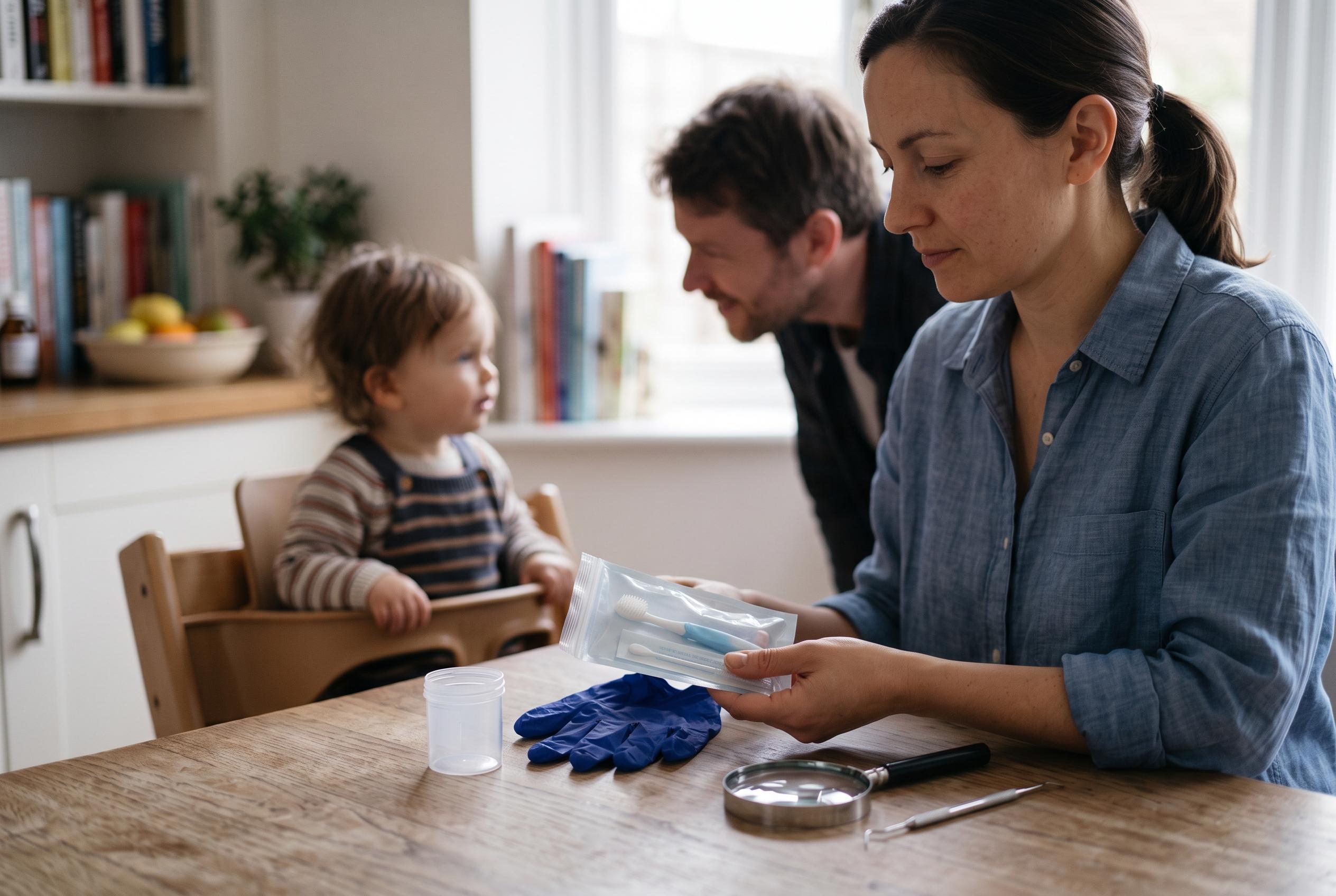

A pioneering study reveals elevated toxic chemicals in the baby teeth of children with autism, raising questions about early-life environmental impacts and highlighting the need for further research into chemical exposures and development.
A pilot study from the University of Texas at San Antonio Health Science Center has found higher levels of a range of toxic chemicals in the baby teeth of children with autism than in those of children without the condition, adding to questions about how early-life exposures may affect development. The research, published in Neurotoxicology and Teratology, looked at shed primary teeth as a record of long-term exposure and found compounds linked to endocrine disruption, developmental toxicity and common consumer products. According to the study, the findings do not prove a cause-and-effect link, but they do point to the need for larger studies.
The team analysed donated teeth from 22 children with autism and 16 children with typical development using a non-targeted approach designed to detect a broad chemical range. The researchers reported an average of about 300 chemicals per participant in both groups. Of the 60 compounds found in more than half of the samples, 39 are known developmental toxicants or endocrine-disrupting chemicals, and 57 compounds were present at higher levels in the autism group. Nineteen of those differences were statistically significant, according to the published paper and the PubMed summary.
The appeal of teeth as a research tool is that they can preserve a chemical timeline extending from pregnancy into early childhood. Human teeth begin forming in the womb and are largely formed by around age 3, allowing them to absorb environmental chemicals over time, unlike blood or urine, which usually capture only a brief snapshot. Lynne P. Heilbrun, a research affiliate at UT San Antonio, said the teeth reflect cumulative exposure, while blood and urine show only a narrow window.
Researchers found chemicals associated with baby bottles, food packaging, flame retardants, personal care products and household goods among the substances showing the greatest differences between groups. The article notes that 11 compounds identified in the teeth can be found in baby bottles, and that five of the nine compounds with the largest between-group differences can migrate from plastic bottles. The study also says the broader exposure picture may begin before birth, through what pregnant women breathe, eat or absorb through the skin, and continues after birth through food, packaging, water pipes and children’s products.
The authors emphasised that autism is complex and that genetics may shape how different children respond to chemical exposures. David Gimeno Ruiz de Porras, who led the study with Heilbrun, said the pace of chemical development is outstripping the pace of research, making it difficult for families to know which products are safer. The team wants larger, multi-country studies and broader laboratory methods to identify more compounds. In the meantime, the researchers suggest precautionary steps such as using fragrance-free personal care products, choosing glass or stainless steel over plastic where possible, and limiting highly processed foods and other products that may increase exposure.
Disclaimer: This content is for informational purposes only and is not intended to be a substitute for professional medical judgment, advice, diagnosis, or treatment.



