

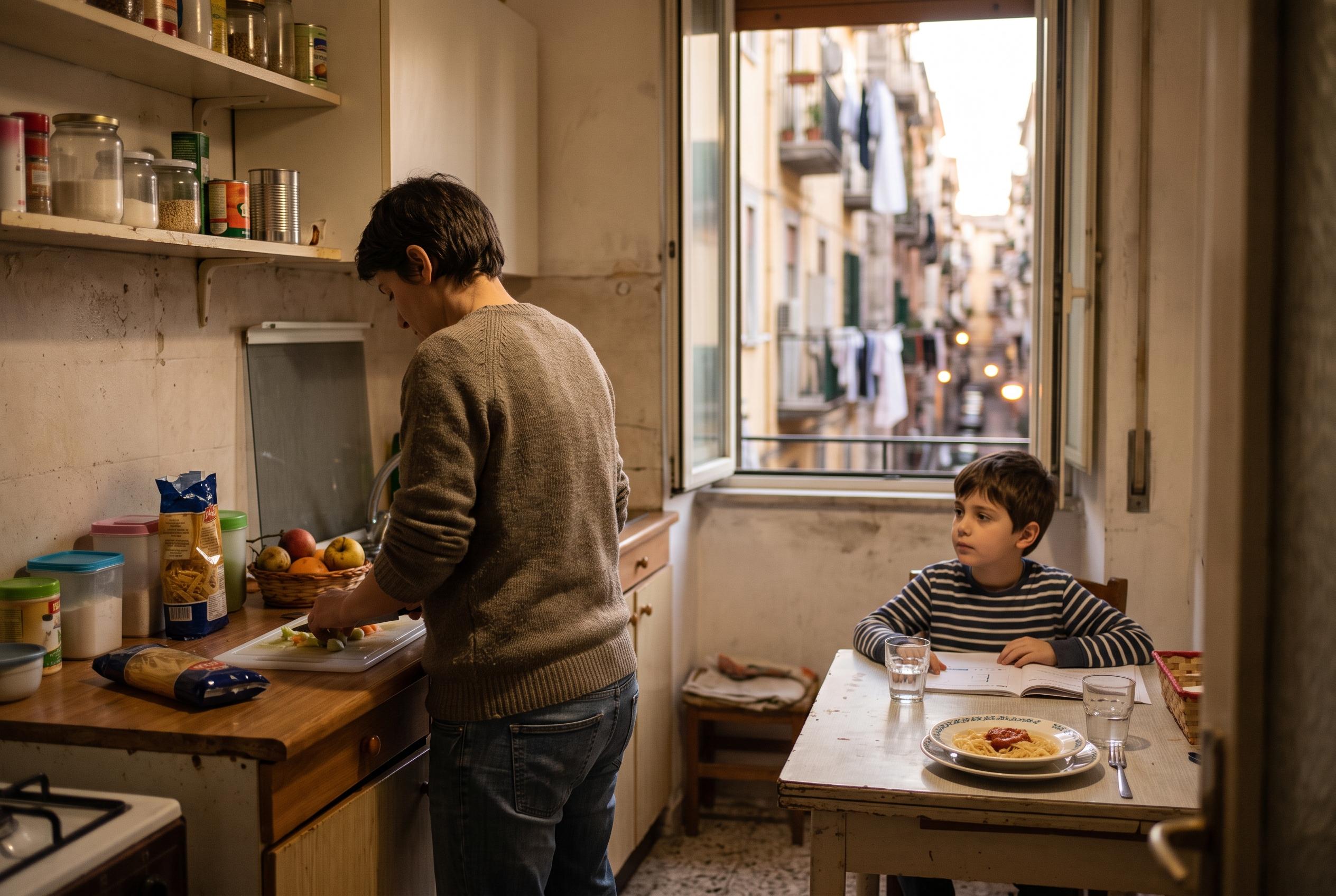

Rising rates of childhood overweight in Naples reveal a complex interplay of poverty, regional inequality, and food affordability, challenging simplistic narratives about Italian dietary habits.
Italy’s debate over obesity has been sharpened by reports of rising numbers of overweight children in Naples, but the evidence points less to a national addiction to pizza and pasta than to poverty, regional inequality and the growing cost of healthy food. The picture is far more complex than the recent headlines suggest, and Italy still remains well below the adult obesity levels seen in countries such as England and the United States.
The concern is real in parts of the south. Campania, the region around Naples, has the country’s highest share of overweight children, while official and academic studies have repeatedly shown that Neapolitan children carry more excess weight than their peers in northern Italy and several other Western countries. But the problem is concentrated in poorer areas rather than spread evenly across Italian society, and the neighbourhoods most often cited are also among the most deprived.
That is why experts and campaigners say the issue is tied to access as much as to culture. Anna Tagliabue of the Italian Society of Human Nutrition has said the decline of the Mediterranean diet is linked to poorer access to fresh, affordable food, along with rising food insecurity and the wider availability of ultra-processed products. Charity Terre des Hommes has made the same point, arguing that childhood obesity grows where poverty and educational disadvantage grow, especially when families are forced to buy cheap, filling food instead of healthier options.
The price of healthy food is moving in the wrong direction. Fresh produce has become more expensive, while processed food has edged down in price, making less nutritious choices easier to afford. At the same time, fast-food chains are continuing to spread beyond the big northern cities, even though the heaviest burden of obesity remains in the south. That mismatch suggests that branding the problem as a simple loss of culinary tradition misses the point: for many families, the real issue is whether they can afford decent food in the first place.
Italy has also taken an important legal step by recognising obesity as a chronic disease, but the new law has not yet been matched by a clear national system for treatment, prevention or access to newer weight-loss drugs. Health funding for prevention remains modest, and a sugary drinks tax that was first approved years ago has still not taken effect. For now, the country’s response remains uneven, and the gap between policy promises and everyday access to healthier choices remains wide.
Disclaimer: This content is for informational purposes only and is not intended to be a substitute for professional medical judgment, advice, diagnosis, or treatment.



