

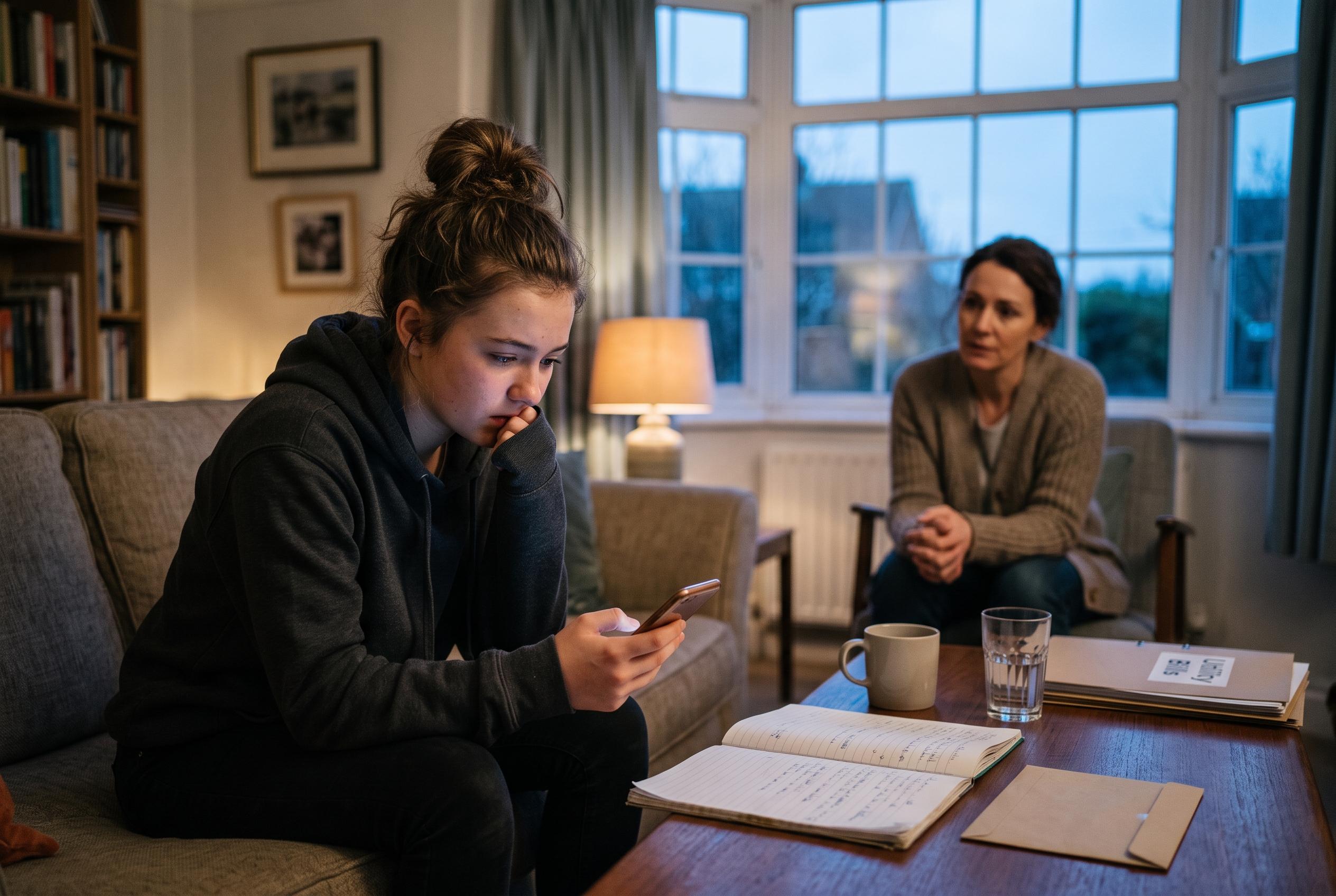

Leading experts and young people highlight growing emotional distress, anxiety, and practical worries facing today’s youth, signalling a sharper need for timely support and intervention.
A leading mental health expert has said it is genuinely harder to grow up now than it was for earlier generations, as new research and a teenager’s account of daily life point to rising pressure on young people in Britain.
Professor Peter Fonagy, who is leading an independent review into mental health, ADHD and autism, told the BBC there has been a clear increase in emotional distress among children and young adults. He said anxiety, depression, self-harm and eating disorders are among the most serious concerns, and suggested the review is likely to show that about one in four people aged 16 to 24 now face mental health difficulties.
For Lily Lawson, a 16-year-old student from Bristol, those pressures are part of everyday life. Diagnosed with ADHD in May 2024, she is still waiting for an official autism assessment on the NHS, a delay that reflects the long backlogs many families face. Her account shows how anxiety, social media and uncertainty about the future can shape even ordinary routines, from travelling alone to looking for work.
Lawson says the journey to college can feel daunting, especially when she is on public transport by herself. She relies on her phone or headphones to help manage her anxiety, and says support from her mother has helped her build confidence gradually. College has offered more flexibility than school, which she says has helped her develop a better sense of control and independence.
But she also describes the strain of always being online. Social media, she says, can become overwhelming and addictive, with comments and comparisons feeding anxiety rather than easing it. She tries to limit her screen time during the day, yet still finds herself doomscrolling before sleep, a habit echoed in wider research. A study led by University College London found a 10% rise in common mental disorders among young adults in the UK between 2009 and 2019, with sharper increases in more deprived areas. Imperial College London has also reported that children who spend more than three hours a day on social media are more likely to develop symptoms of depression and anxiety, partly because heavy use can disrupt sleep.
Beyond mental health, Lawson says young people are also facing practical worries about work and the transition to adulthood. She has attended multiple job interviews but says many employers want experience that teenagers do not yet have. To help young people through those shifts, she is supporting Outward Bound as it launches its Big Shake-Up campaign, aimed at guiding young people, parents and teachers through major life changes.
The broader picture is reflected in official child health data as well. The Royal College of Paediatrics and Child Health says the proportion of eight- to 16-year-olds in the UK with a probable mental health disorder rose from 12.5% in 2013 to 20.3% in 2023, underscoring the scale of demand for timely support. Against that backdrop, Fonagy’s warning and Lawson’s experience together suggest the strain on teenagers is not a matter of attitude or resilience alone, but of a generation coming of age in markedly tougher conditions.
Disclaimer: This content is for informational purposes only and is not intended to be a substitute for professional medical judgment, advice, diagnosis, or treatment.



