

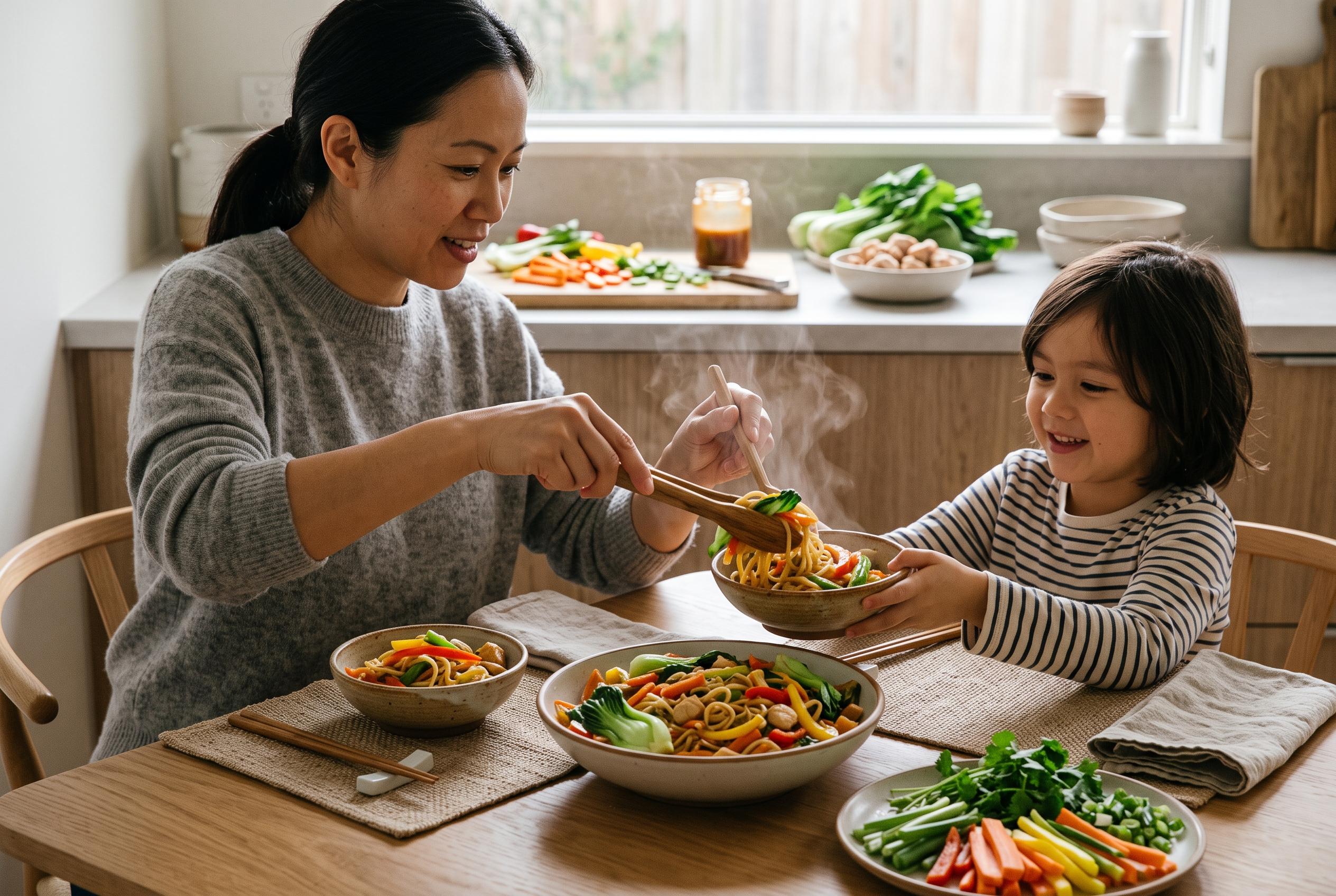

Hakka noodles can be part of a balanced diet when prepared with mindful portioning and careful ingredient choices, ensuring they remain a comforting yet nutritious weeknight meal.
Hakka noodles can be a comforting weeknight meal, but the calorie question is less about the noodles themselves than about what goes into the wok. Portion size, oil, sauce and toppings all have a major bearing on the finished dish, which means a home-cooked bowl can be very different from a heavy restaurant serving.
Nutrition labels for vegetable and yaki-style Hakka noodles from the University of Maryland show that the same broad dish can vary markedly depending on recipe and serving size. Other calorie databases for Hakka noodles point in the same direction: the meal can be relatively moderate or considerably richer once fat, sodium and extra ingredients are added.
That variability is why weekly consumption is not automatically a concern. For many people, Hakka noodles can sit comfortably within a balanced diet if the dish is built with restraint and variety. A smaller noodle portion, plenty of vegetables and a sensible amount of protein can make the meal more filling without turning it into a calorie-dense indulgence.
The main swing factor is cooking fat. Stir-fried noodles are often quick to absorb oil, and a little extra can push the calorie count up fast. Sauces matter too. Soy-based condiments, chilli sauces and spicy Indo-Chinese blends can add flavour and salt, but they also contribute to the overall nutritional load, particularly if they are used generously.
Vegetables are the easiest way to improve the balance of the dish. Cabbage, carrots, peppers, mushrooms, spring onions, beans and broccoli all add volume, texture and colour without depending on heavy sauce. Several nutrition guides on Hakka noodles recommend the same approach: keep the vegetables plentiful, the oil measured and the seasoning controlled.
Protein can help as well. Eggs, chicken, tofu and paneer all turn noodles from a side dish into a more complete meal. The exact calorie effect depends on the ingredient and how it is cooked, but adding a protein source usually makes it easier to stick to a reasonable portion and feel satisfied afterwards. That is especially useful for families trying to build an easier, more balanced dinner routine.
Wholewheat noodles may be a useful alternative, but they are not a free pass. A product made with wholewheat flour still carries calories, and the final total will depend on how much is served and what is added to it. The bigger picture remains the same: a noodle bowl made with measured oil, vegetables and a moderate amount of sauce is far easier to fit into a weekly menu than a dish built around excess fat and oversized portions.
For parents and caregivers, the practical answer is straightforward. Hakka noodles can work as an occasional or even regular meal when they are treated as one part of a varied plate rather than the whole story. The healthiest version is usually the simplest one: noodles, vegetables, a protein source, aromatics and just enough sauce to bring everything together.
Disclaimer: This content is for informational purposes only and is not intended to be a substitute for professional medical judgment, advice, diagnosis, or treatment.



