

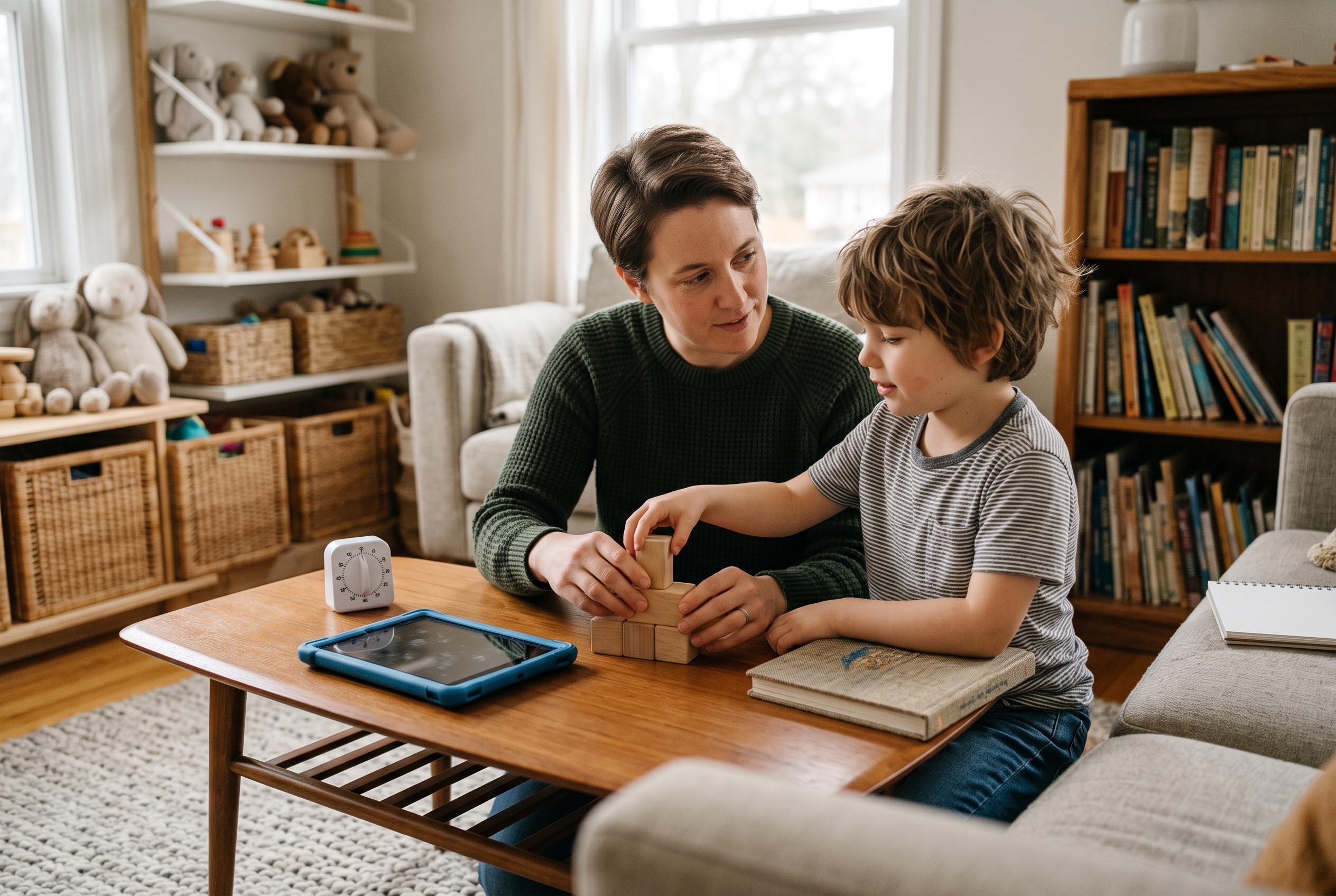

Psychologist Margarita Alekseeva emphasises the importance of structure and limits in children’s gadget use, warning against overexposure and advocating emotional literacy to mitigate negative effects of screens.
Children are often blamed for every ill that comes with smartphones and tablets, from anxiety to poor concentration and, in extreme claims, so-called digital dementia. Margarita Alekseeva, a psychologist quoted by Aif.ru, argues that the reality is more nuanced: gadgets are now woven into childhood, but the real issue is how they are used and whether adults notice when screen time starts to affect a child’s mood, sleep and behaviour.
Alekseeva says the phone is no longer just a source of entertainment. For many children, it is where they chat with friends, do schoolwork, listen to music, use maps, watch videos, play games and make payments. On that view, the question is not whether a child should ever use a smartphone, but how much time is spent looking at a screen and whether that device is crowding out the rest of daily life. Other summaries of her remarks, including one published by 360.ru, point to the same conclusion: a blanket ban is unlikely to solve the problem, but structure and limits can help.
She also warns that the constant stream of short videos, messages, games, memes, advertisements and news can overload a child’s still-developing ability to concentrate. According to Aif.ru, Alekseeva says a smartphone sitting nearby does not automatically create anxiety, but persistent stimulation can leave children irritable, tired and more reactive. That pressure can be amplified by social comparison. Children who are already trying to measure their worth against classmates and family may become even more self-conscious when they are exposed to curated images of wealth, travel and popularity online.
One of the clearest warning signs, she says, appears when a child loses at a game or is asked to stop using the device. Some disappointment is normal, but shouting, tantrums, aggression, swearing or throwing the phone across the room suggest that the child is struggling to manage frustration. Aif.ru reports that the recommended response is not to escalate the conflict, but to help the child understand what happens in the body during strong emotion, such as a racing heartbeat, clenched fists or a tight stomach. That kind of basic emotional literacy can make it easier for children to recognise when tension is building.
Simple grounding exercises can also help. Alekseeva recommends practical redirection, such as washing hands in cool water or naming nearby objects and finding three adjectives for each one. The point is to move attention away from the emotional surge and towards a concrete task. In her view, the aim is not merely to take the device away, but to teach the child a different way to come down from distress. The article’s related summaries echo that advice, stressing that parents should help children move towards other activities rather than simply cutting off access.
A stronger concern arises when the phone begins to crowd out everything else. Aif.ru says Alekseeva sees real trouble when a child wakes up thinking about a game, reaches for the phone immediately after school, loses interest in going outside or in hobbies that once mattered, and struggles to tolerate even short periods without a screen. At that point, she suggests, it is not enough to assume a child will regulate themselves. Screen platforms are designed to keep users watching, and children are especially vulnerable because self-control skills are still developing.
Her advice to parents is to build a family routine in which digital life has a place, but not a monopoly. Sleep, exercise, homework, walks, conversation, hobbies and shared family time still need to be protected. Rather than turning the phone into a permanent battleground, parents are encouraged to set rules that apply to everyone in the household and to agree on clear rewards and consequences. If a child cannot be drawn to other activities even with adult help, or if screen use is linked to severe anxiety, aggression, sleep problems or social withdrawal, Alekseeva says professional support may be needed.
Disclaimer: This content is for informational purposes only and is not intended to be a substitute for professional medical judgment, advice, diagnosis, or treatment.



