

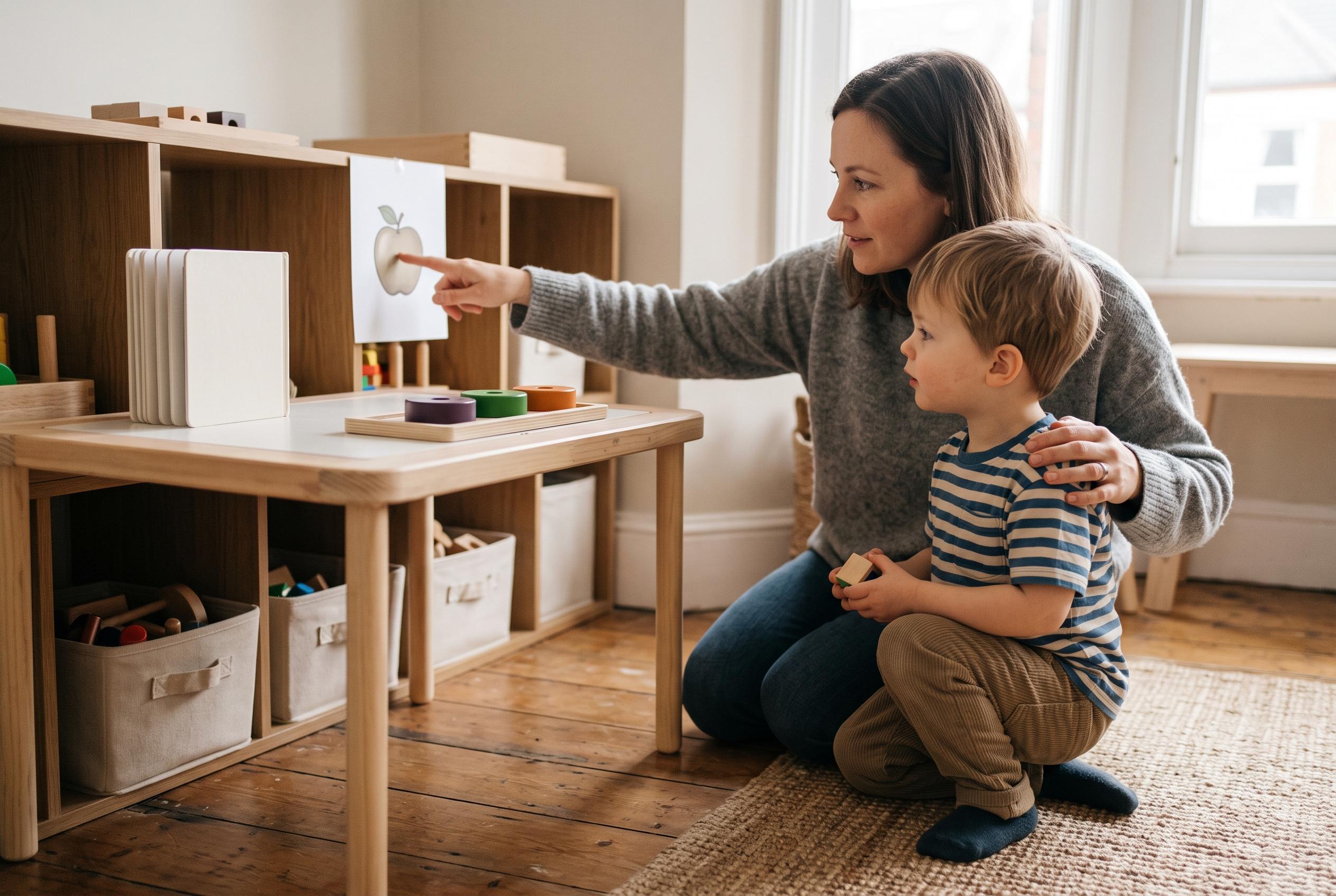

New insights highlight that clear, brief instructions, combined with visual cues and patience, can significantly improve a child’s ability to follow directions, reducing behavioural struggles and supporting developmental needs.
Helping a child follow directions is less about winning a power struggle than about reducing the amount a young brain has to hold at once. The clearest guidance from child development resources is remarkably consistent: get the child’s attention first, give one short instruction, pause long enough for them to process it, and then acknowledge what they did well. The Centres for Disease Control and Prevention say good directions should be clear, specific and age-appropriate, and that they work best when adults are calm, direct and consistent.
For many children, especially those who are still developing language, attention and self-regulation, the problem is not deliberate defiance. A direction can be missed because it arrived while the child was busy, because the wording was too long, or because the brain simply needed more time to switch tasks. That is why experts recommend speaking at the child’s level, making eye contact, and using a neutral tone rather than escalating volume or adding a stream of reminders. Understood.org and the CDC both emphasise that a direction should be phrased as something to do, not a list of what not to do.
The most useful place to begin is with one action the child already knows. Short commands such as “put the block in the box” or “put on your shoes” are easier to process than open-ended requests or polite questions that hide the real task. The CDC advises giving one direction at a time, while Parenting.org recommends staying physically present and asking for attention before speaking. For younger children, a gesture, a picture cue or a brief demonstration can make the instruction easier to understand.
Wait time matters more than many adults expect. Several parenting guides recommend pausing after the instruction instead of repeating it immediately, because children often need a few seconds to register what they heard and decide how to begin. A quiet pause, rather than another question or a second command, gives the child a fair chance to respond. If the child still does not start, a small prompt, such as pointing to the object or moving closer, is often more effective than raising your voice.
Visual supports can be especially helpful for children with ADHD, autism, hearing loss or auditory processing differences, and they can also support multilingual families. A picture card, a checklist or a hand signal can carry some of the load that language alone cannot. Understood.org notes that visual cues are useful when a child needs help holding the instruction in mind, and the CDC similarly recommends gestures and carefully chosen words. The key is to add support gradually, rather than introducing several changes at once.
Practice works best inside ordinary routines rather than as a separate lesson. Getting dressed, clearing the table, leaving the house and moving from one activity to another are all natural moments to rehearse listening and follow-through. Education resources from Brigham Young University recommend a simple teaching pattern: show the skill, practise it and then repeat it in real life. Short, daily practice in familiar situations is more effective than occasional long sessions when everyone is already frustrated.
Praise also needs to be specific. Rather than broad approval, name exactly what the child did: “You followed both steps”, “You listened the first time” or “You looked at the picture card and started right away.” The CDC encourages praise when children listen, and that kind of precise feedback helps children understand what to repeat. When a family uses rewards, it helps to keep them predictable and modest so the child does not learn that every routine task requires a prize.
If a child continues to struggle despite clear directions, a calm tone and visual support, it may be worth looking at hearing, language development, working memory or sensory needs. The CDC and other parenting resources suggest following through consistently when a child does not listen, but they also make clear that repeated difficulty may point to something more than ordinary non-compliance. In that case, a paediatrician, teacher, speech-language professional or audiologist can help identify whether the child needs additional support.
The practical goal is not perfect obedience. It is to build a routine the child can understand, predict and repeat. Start small, keep the wording simple, pause before repeating yourself and mark success when it happens. Over time, those quiet habits do more to improve cooperation than louder reminders ever will.
Disclaimer: This content is for informational purposes only and is not intended to be a substitute for professional medical judgment, advice, diagnosis, or treatment.



