

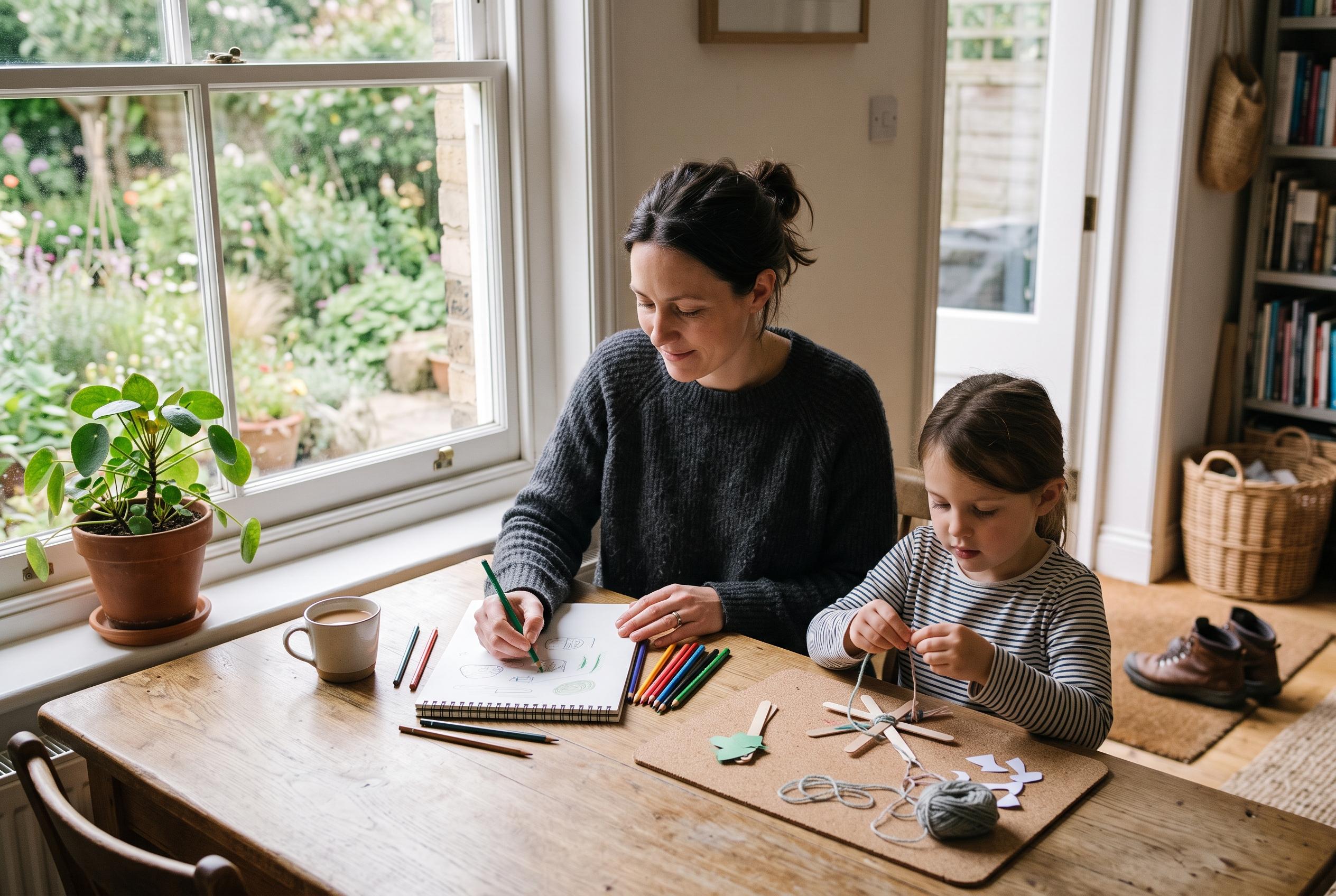

Emerging studies highlight that engaging in simple, enjoyable activities like art, gardening, or walking can be powerful tools in managing stress and improving mood, with benefits backed by scientific research.
Many people reach for exercise, a book or a craft project when stress begins to build, and research suggests that instinct may be well founded. Studies cited by Mediafax show that creative and physical hobbies can help lower cortisol, the hormone closely linked with stress, while also improving mood and concentration. The broad message from the evidence is that a useful hobby does not need to be elaborate; it needs to be engaging enough to pull attention away from daily pressure.
Among the creative activities, art appears to have some of the clearest evidence. Drexel University researchers found that a 45-minute session of making art could significantly reduce cortisol levels, and participants said the experience felt relaxing and enjoyable. Mental Health America, as cited by The Independent, says painting, drawing and other hands-on crafts can help people focus on one task at a time, which may make them feel calmer.
Writing may offer a similar benefit. The Independent has cited research suggesting that putting thoughts on paper can ease stress, which may help explain why journalling remains a common coping tool. In the same vein, repetitive activities such as knitting can be soothing: UCLA notes that the rhythm of the movements may help calm the body, lower blood pressure and reduce cortisol, while also being linked with fewer symptoms of depression and anxiety.
Movement-based hobbies can also play an important role. Running prompts the release of endorphins, the body’s natural chemicals that can improve mood and reduce the perception of pain. A study cited by British journalists found that even a gentle 10-minute run could ease feelings of stress and anxiety. Dance has also been associated with emotional benefits, with a 2021 survey of 1,000 dancers finding that 95% of respondents with a history of anxiety, stress or depression said dance had had therapeutic effects at some point in their lives.
Gardening brings together physical activity, repetition and attention to living things, and that combination may explain why it is so often tied to better mental wellbeing. WebMD, Healthline and Anxiety.org all point to studies linking gardening with lower stress, less anxiety and fewer depressive symptoms, while National Geographic has reported that even light gardening tasks may support cognitive health. Cooking and reading can help in a similar way. A 2022 study of 650 people who took a seven-week cooking course found improvements in mental health scores, and The Independent cited 2024 research suggesting that just five minutes of reading can reduce stress and sharpen focus. The common thread, experts say, is not the hobby itself but whether it feels meaningful and enjoyable to the person doing it.
Disclaimer: This content is for informational purposes only and is not intended to be a substitute for professional medical judgment, advice, diagnosis, or treatment.



