

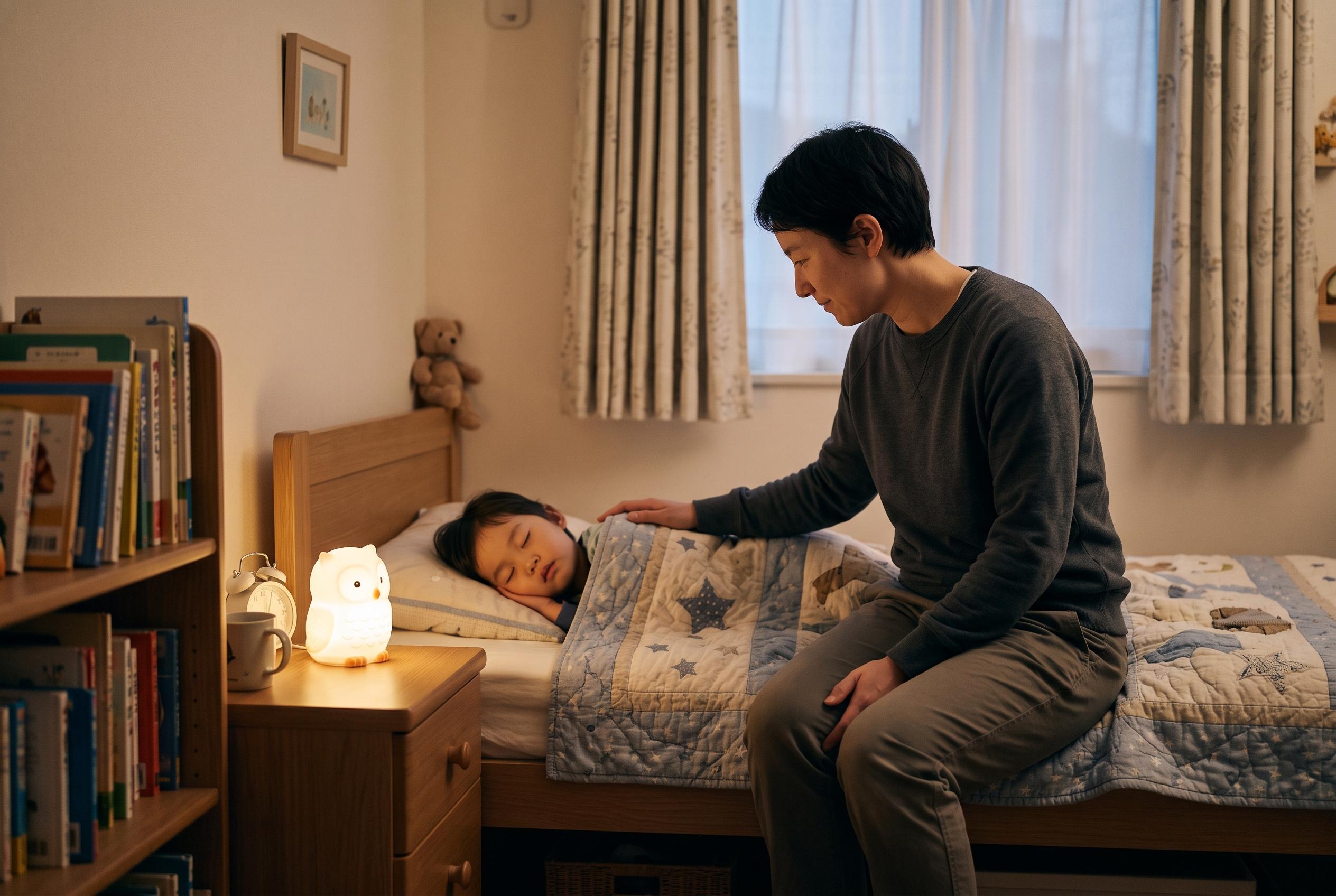

Experts emphasise that stabilising bedtime routines, creating a secure environment, and maintaining calm parent responses are key to helping children overcome bedtime anxiety, with small, steady changes proving most effective.
Bedtime anxiety in children often has less to do with the clock than with what happens once the house quietens down. As the day’s activity falls away, worries that were easy to ignore can rise to the surface, making sleep feel like a challenge rather than a rest. Experts cited by Cleveland Clinic and other parenting guides say the answer is usually not a new sleep product, but a routine children can anticipate, a room that feels secure, and a parent response that stays calm and consistent.
The most useful starting point is a wind-down sequence that happens in the same order every night. A predictable routine, with screens switched off well before bed, helps signal to the body that sleep is coming. Sleep-focused guidance from several parenting and health sources also recommends keeping stimulation low in the final hour, using quiet connection such as a short chat or a book, and talking about worries earlier in the day so they do not take over the bedtime hour.
The sleep environment matters as well. Families are often advised to make the room darker, cooler and quieter, using a nightlight if darkness itself is part of the fear. A comfort object, such as a blanket, toy or familiar pillow, can give a worried child something concrete to hold on to. Some guides also suggest white noise, blackout curtains or other small changes that reduce the chance that every sound or shadow becomes a trigger.
How parents respond is just as important as what is in the room. Cleveland Clinic and other child-sleep advice sources both stress that reassurance works best when it is brief and steady, not repeated in long debates that keep the fear alive. A child who asks the same question over and over does not usually need a new explanation; they need a calm acknowledgement, a short answer and the same reply every night so the exchange itself becomes predictable.
It also helps to separate ordinary bedtime worry from bigger patterns. Short-term resistance after a stressful day is common, but anxiety that keeps returning night after night may need more support. Several sources recommend keeping notes on when the routine starts, how long it takes to settle, and what seems to trigger the difficulty. That record can reveal whether darkness, separation, pain, noise or another factor is driving the problem, and it gives a paediatrician or mental health professional something useful to work from if the issue persists.
The broader message from the health and parenting material is to make small changes, one at a time, and keep them steady long enough to matter. Many families find that a child settles more easily when the evening pattern is simple, the room feels safe and the adult response stays the same from one night to the next. If bedtime anxiety is lasting for weeks, spilling into the daytime or affecting school, sleep notes and professional advice can help identify whether something more than an ordinary bedtime fear is going on.
Disclaimer: This content is for informational purposes only and is not intended to be a substitute for professional medical judgment, advice, diagnosis, or treatment.



