

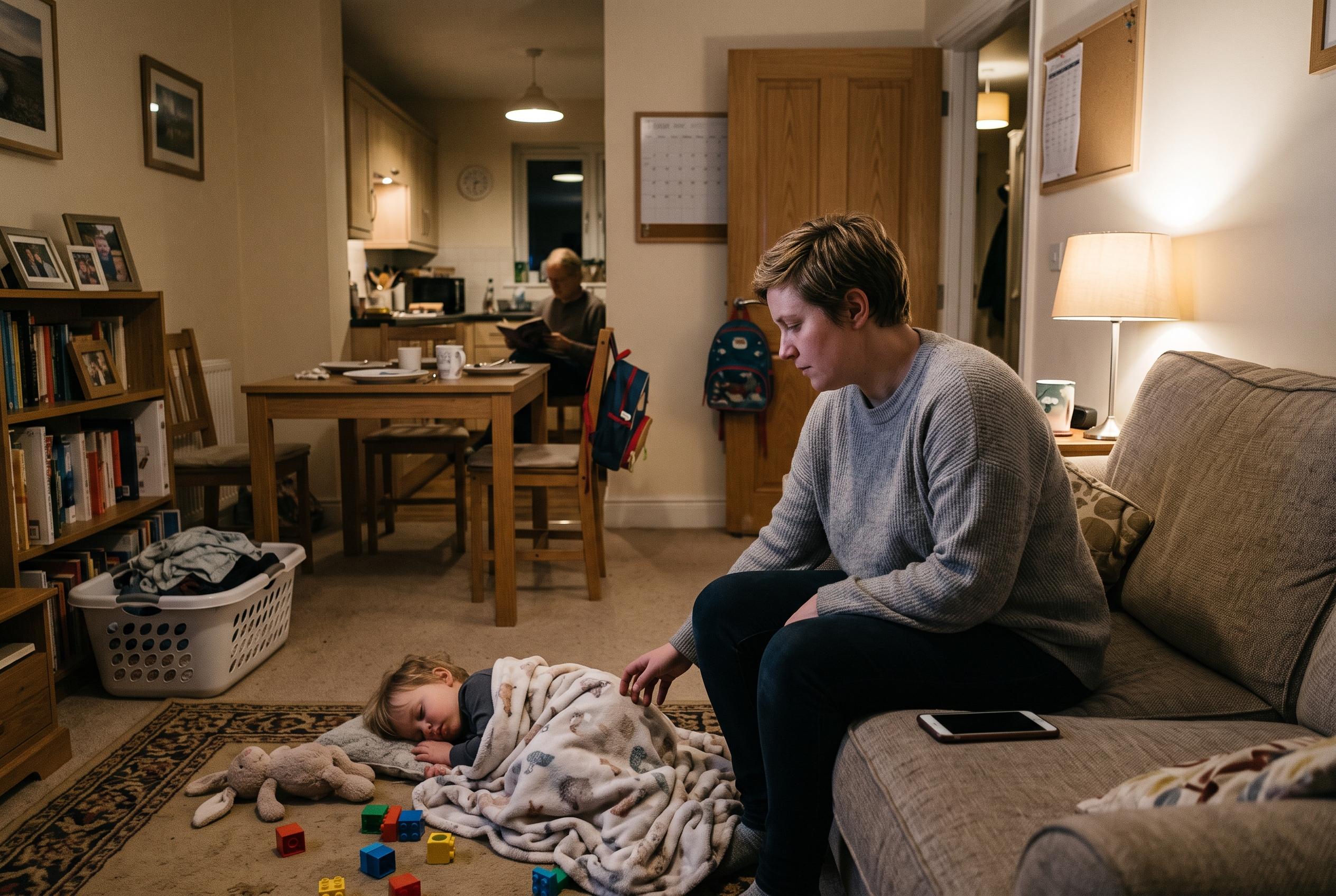

Emerging research reveals that parental burnout, often overlooked, can disrupt family dynamics long before symptoms are recognised, posing serious risks especially for already vulnerable households. Early intervention is key to breaking the cycle and safeguarding child well-being.
Parental burnout can quietly reshape family life long before anyone names it. Research highlighted by Katherine M. Ryan and colleagues suggests that when carers feel exhausted, emotionally detached and unable to meet the demands placed on them, the strain can spill into their parenting and affect how they respond to their children day to day. For families already under pressure, that can increase the risk of harsh, withdrawn or inconsistent behaviour.
Ryan’s work is important because parental burnout is not the same as ordinary tiredness or general stress. It is tied to a sense that the demands of parenting are overwhelming and that there are not enough resources to cope. The Office of the Surgeon General said in 2024 that about one-third of parents of young children experience extremely high levels of burnout, showing that these struggles are not rare, especially in the early years when care is relentless.
The consequences can be especially serious in households already dealing with neglect, abuse or severe child behaviour problems. In a study of 140 Australian caregivers referred to a parenting support programme, Ryan and her co-authors found that higher overall burnout was linked with less warmth and involvement, and with more hostility and coercion towards children. The same study also suggested that parental mental health problems were associated with less positive parenting, while child externalising behaviour, such as aggression or defiance, was tied to more negative responses from parents.
Other research points to a feedback loop that can keep families stuck. A study indexed by PubMed found that parental burnout is associated with more child problem behaviours, but that positive parenting can soften those effects. Another PubMed study found the relationship can run both ways: children’s internalising and externalising difficulties can also deepen parental burnout. Taken together, the evidence suggests that parent well-being and child behaviour often reinforce one another rather than acting as separate issues.
That is why early support matters. A review published in Public Health examined 26 studies involving more than 12,000 parents and found that burnout is shaped by personal, relational and wider social factors, underscoring the need for more than simple advice to “cope better”. Another study, in Social Sciences, showed that children exposed to parental burnout may feel fear not only of their parents but also for them, which adds an emotional burden often overlooked in discussions of family stress. Researchers also suggest that stronger family functioning and better child self-regulation may help reduce some of the harm.
For parents who recognise the warning signs, the first step is often to ask for help before frustration hardens into damaging patterns. Support from relatives, friends, neighbours, faith groups and professionals can make it easier to rest, share childcare and rebuild steadier routines. Noticing irritability, guilt, hopelessness or a growing sense of inadequacy can be a signal to act early, rather than wait until exhaustion starts to shape the whole parent-child relationship.
Disclaimer: This content is for informational purposes only and is not intended to be a substitute for professional medical judgment, advice, diagnosis, or treatment.



