

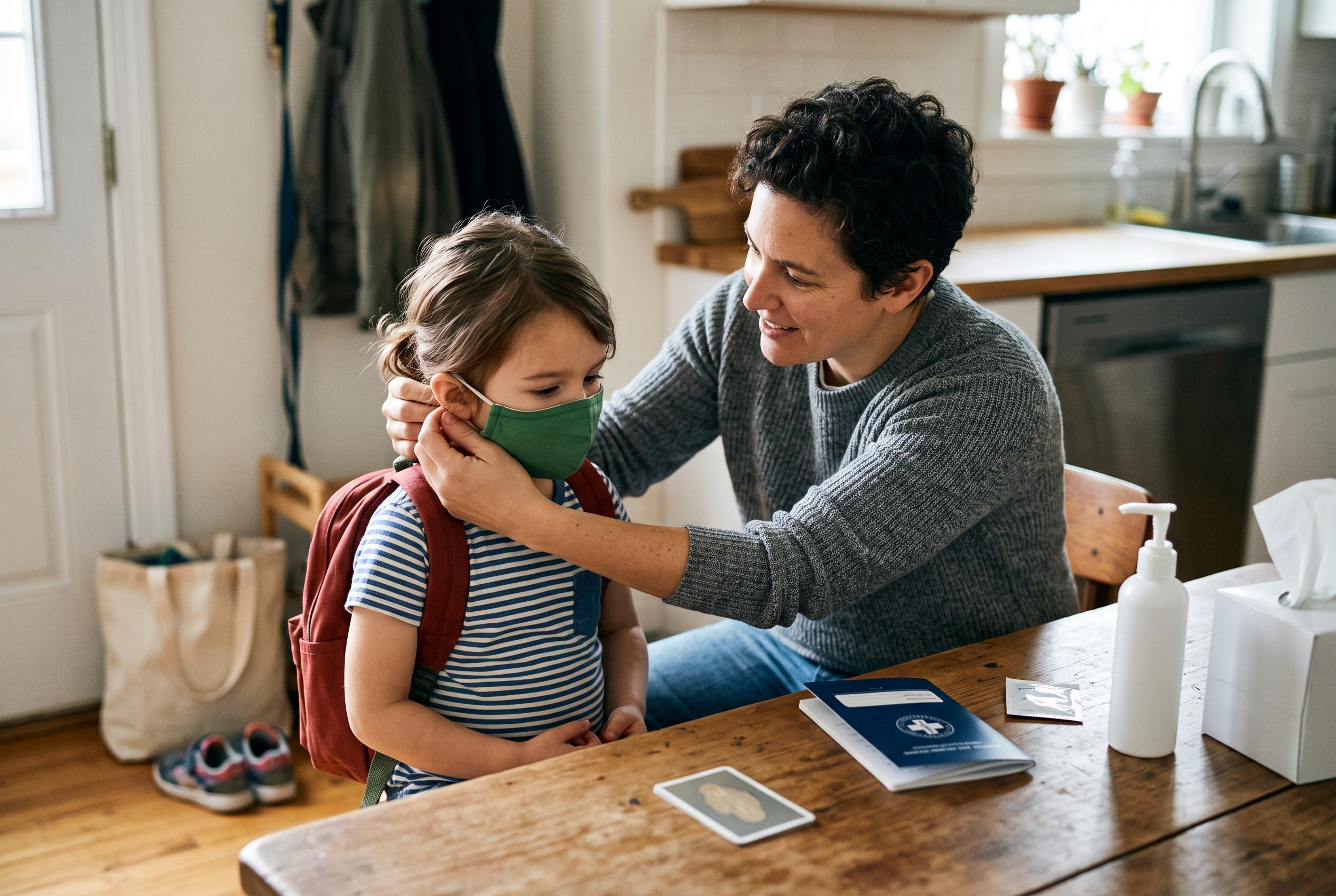

With schools reopening, experts emphasise the importance of vaccinations, good hygiene, and preventive measures to protect children from infectious diseases in crowded classrooms and shared transport settings.
As schools reopen, parents are being reminded that children are more vulnerable to respiratory and stomach infections when they return to crowded classrooms and shared transport. Paediatric consultant Abdulfattah Al-Dibeeshi warned that the school term can bring a rise in bacterial and viral spread, and said prevention should start well before a child enters the classroom. He argued that immunisation remains one of the most effective defences, alongside good nutrition, sleep and basic hygiene.
Al-Dibeeshi said routine childhood vaccines, together with additional jabs recommended for certain children, are important in building protection against disease. He highlighted rotavirus, pneumococcal and hepatitis A vaccines as examples of extra protection, and said children with chest allergies, congenital heart conditions or a history of heart surgery may need influenza vaccination. He also said respiratory syncytial virus protection should be considered according to age, health status and medical advice.
His comments echo guidance from the UK government and the NHS, which say vaccination protects children against serious illness, helps limit transmission and supports regular school attendance. In England, school-age programmes include flu vaccines for children from reception to year 11, the human papillomavirus jab in year 8, and the MenACWY and teenage booster in year 9. Government estimates published in 2026 also show that routine childhood immunisation prevents deaths and hospital admissions each year by protecting against diseases including measles, whooping cough, polio and pneumococcal infection.
The consultant also stressed that immunity begins before birth, with the mother’s health, nutrition and treatment of anaemia or infections all playing a part during pregnancy. The World Health Organisation says good nutrition in the first years of life is crucial for growth and development, while breastfeeding through the first six months and beyond supports healthy development. Mayo Clinic guidance likewise recommends a balanced diet with food from all major groups, and the WHO advises introducing safe, varied complementary foods at around six months without added salt or sugar.
Al-Dibeeshi urged parents not to send a child to school if they have a fever or other signs of illness, both to prevent their condition worsening and to reduce the chance of infecting classmates. He also called for well-ventilated classrooms, sensible spacing between desks and children being taught to cover coughs and sneezes properly. Those measures, combined with vaccination and good daily habits, he said, can help make the return to school safer for children and those around them.
Disclaimer: This content is for informational purposes only and is not intended to be a substitute for professional medical judgment, advice, diagnosis, or treatment.



