

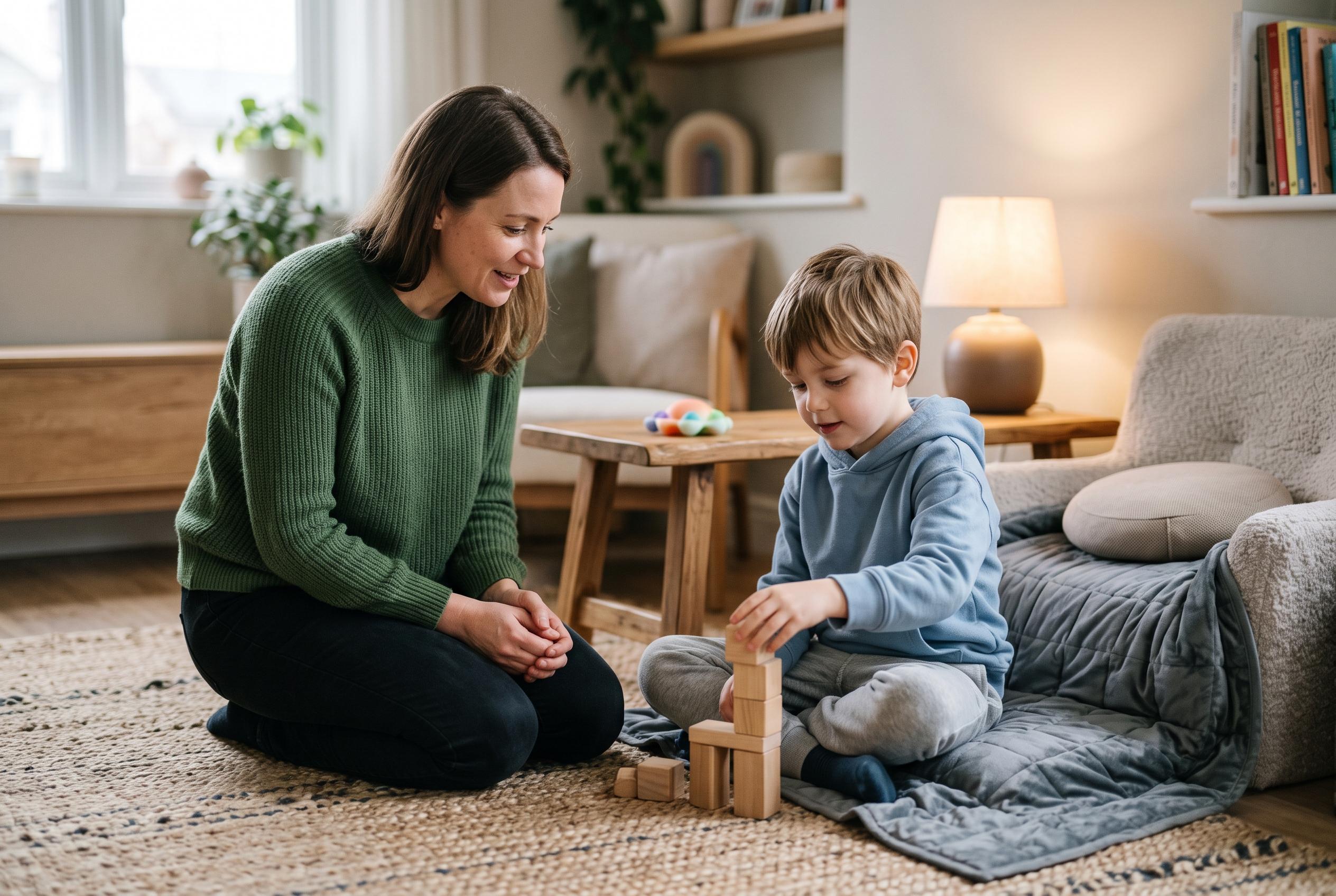

Emerging approaches and personalised interventions are transforming support for children with sensory processing differences, offering hope for easing everyday struggles.
Sensory processing differences can turn ordinary parts of childhood into daily flashpoints. A child may recoil from the hum of a vacuum cleaner, complain that a shirt feels unbearable, gag at certain food textures or seem not to notice bumps, cuts or even hunger. The Cleveland Clinic and other medical sources describe sensory processing disorder as a problem with how the brain receives and responds to sensory information, with symptoms that can involve one sense or several at once.
For parents, the confusing part is that these reactions often look like behaviour problems. A child who bolts from a busy room, cries over a clothing tag or melts down when a routine changes may be labelled fussy, defiant or overly sensitive. But as occupational therapy sources note, the pattern is what matters: sensory reactions tend to be repeated, disproportionate to the trigger and difficult for a child to control in the moment.
The signs can appear in many forms. Some children are hypersensitive and react strongly to sound, light, touch or smell. Others are hyposensitive and seek intense input, touching everything, crashing into furniture or spinning without seeming to mind it. Children’s Hospital and other specialist sources also note that sensory issues can affect balance, coordination, body awareness and the ability to tell one type of input from another.
At home, the clues often show up around dressing, bathing and meals. Clothing seams, stiff waistbands and scratchy fabrics can cause real distress, while hair washing or face washing may end in tears. Food can become a battleground too, especially when a child rejects mixed textures, crunchy foods or strong smells, or narrows their diet to a small set of familiar options. These patterns are especially hard to miss when they remain consistent over time.
Age changes the way the difficulty appears. In toddlers, the warning signs may be arching away from touch, extreme distress at bath time or unusual reactions to sound. Preschool children may show their struggles more clearly through food refusal, avoidance of noisy play areas or repeated battles over grooming. By school age, the problem may look less dramatic but more disruptive, showing up as sloppier handwriting, trouble concentrating, school refusal, stomachaches before class or constant friction around transitions.
Sensory overload is often the moment when a child seems to lose control. A noisy classroom, bright lights, a crowded shop and a sudden change of plan can combine into a meltdown or shutdown. In some children, the response is obvious and explosive. In others, it is quieter: they go blank, become unresponsive or simply collapse from the effort of coping. That distinction matters, because a child in overload is not choosing the reaction and usually needs input reduced before they can recover.
Parents are often left wondering whether a child is seeking sensation, avoiding it or overwhelmed by it. The answer can be all three, depending on the system involved. A child may crave movement and pressure but dislike touch or sound, or may seek strong flavours while avoiding crowds and bright lights. Children’s and Cleveland Clinic sources both emphasise that sensory processing difficulties can affect multiple senses in different ways, which is why one-size-fits-all explanations rarely work.
When concerns persist, experts recommend starting with a careful record of what happens, when and in what setting. Notes about triggers, behaviours and how long it takes a child to settle can help a paediatrician or paediatric occupational therapist see patterns that are easy to miss in memory alone. An occupational therapy evaluation usually includes a detailed history, questionnaires such as the Sensory Processing Measure or Sensory Profile, and observation of the child at play and during tasks that test balance, coordination and fine motor skills.
It is also important to rule out other causes. Hearing problems, vision issues, chronic pain, illness, trauma or developmental delays can all look similar at first glance. Health sources also note that sensory difficulties commonly occur alongside autism spectrum disorder, ADHD, anxiety and developmental delay, which is one reason an evaluation may lead to a broader picture rather than a single label.
The good news is that families do not have to wait for a diagnosis to make life easier. Lowering background noise, giving advance warning before transitions, offering a quiet retreat, adjusting clothing and introducing new foods slowly can all reduce daily strain. Some children benefit from deep pressure, movement breaks or sensory tools such as noise-reducing earmuffs, but those strategies should be guided by the child’s response rather than by a blanket rule. If a tool increases distress, it is not the right tool for that child.
Disclaimer: This content is for informational purposes only and is not intended to be a substitute for professional medical judgment, advice, diagnosis, or treatment.



