

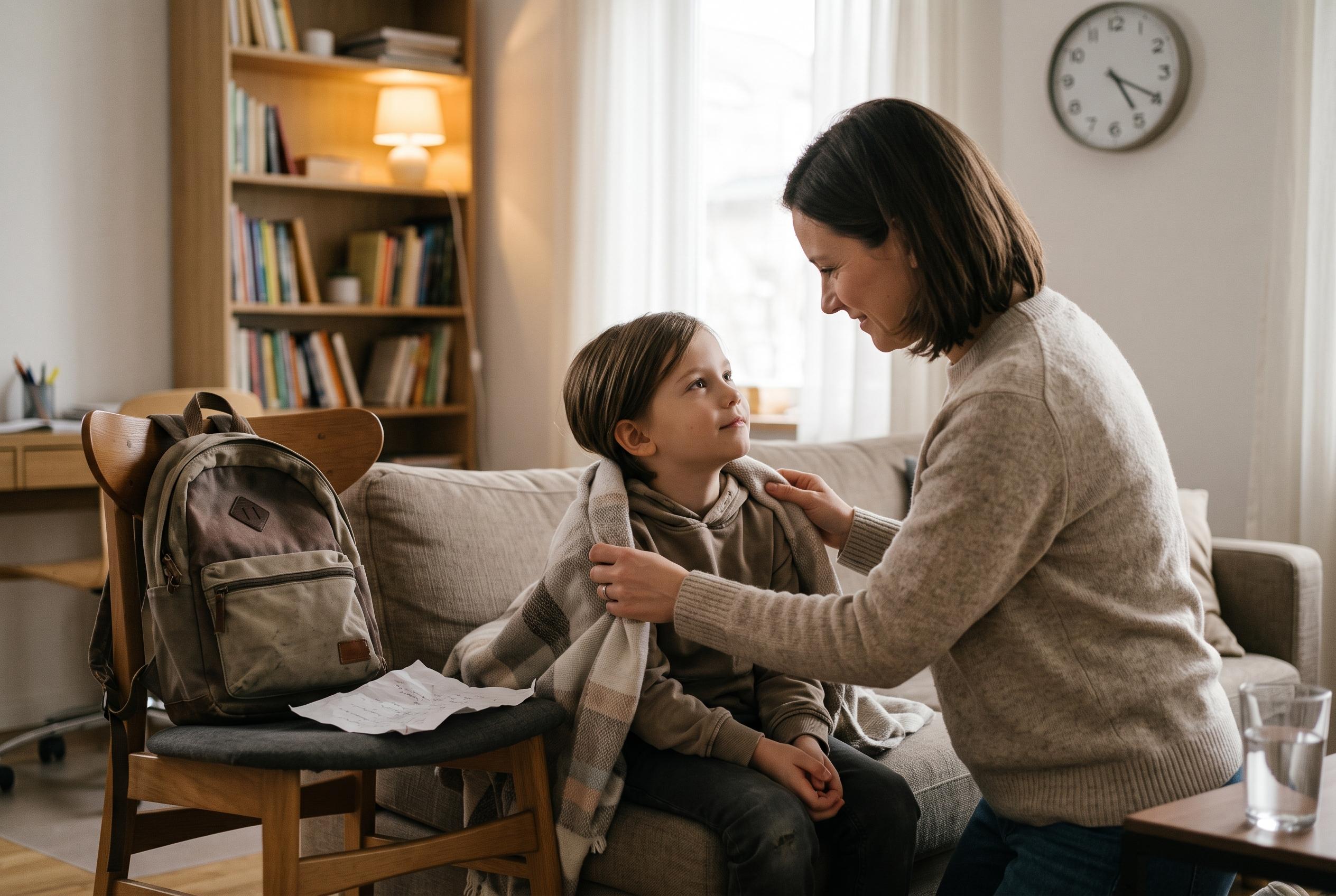

Specialists highlight the importance of shielding children from graphic images and maintaining routine to mitigate trauma following school shootings, urging calm and supportive responses from adults.
In the wake of recent armed incidents in schools, specialists say children should be shielded as much as possible from graphic images and detailed accounts of what happened. They also stress that, in a crisis, the calm response of parents, teachers and school leaders is central to helping pupils regain a sense of safety.
Prof Dr Ayşenur Büyükgöze Kavas of Ondokuz Mayıs University told Ihlas News Agency that sudden violence in a school setting should be treated as a crisis for children, with short-term reactions often including hypervigilance, a feeling of insecurity, reluctance to separate from parents and a refusal to return to school. She said some children may also complain of headaches or stomach aches, startle easily, struggle to sleep, have nightmares, lose appetite, find it hard to concentrate, or show anger and depressive thoughts.
Büyükgöze Kavas said the effects can become more serious if they continue without support. In her view, prolonged distress may develop into depression, anxiety disorders or post-traumatic stress disorder. Research cited in a recent scoping review indexed on PubMed likewise links exposure to school shootings with post-traumatic stress symptoms and depression, while work from the Stanford Institute for Economic Policy Research suggests that the harm can persist for years and affect education and later economic outcomes.
The professor said schools are usually one of the safest places for children after home, but that confidence can be damaged when pupils see weapons on campus or hear about classmates carrying them. She warned that some adolescents may withdraw, while others may begin to think they need to arm themselves or carry knives for protection, which can deepen the danger rather than reduce it.
Experts also say adults should avoid overwhelming children with information. According to guidance from Children’s Health and the American School Counselor Association, parents and educators should invite questions, answer honestly but briefly, use age-appropriate language and avoid unnecessary detail, especially about the attacker or the violence itself. UNICEF USA advises adults to first understand what children already know and feel, then offer reassurance in a calm, accessible way. Across those recommendations, a common theme is to listen first, limit media exposure and keep routines as normal as possible.
Büyükgöze Kavas said children should not be pushed to talk if they are not ready, but should be supported if they want to discuss what happened. She added that returning to ordinary routines, including classroom attendance, can help reinforce the message that the danger has passed. If sleep problems, constant fear, school avoidance, tearfulness, withdrawal, guilt, declining grades, hopelessness or loss of interest in home and school activities continue, she said families should seek professional help.
Disclaimer: This content is for informational purposes only and is not intended to be a substitute for professional medical judgment, advice, diagnosis, or treatment.



