

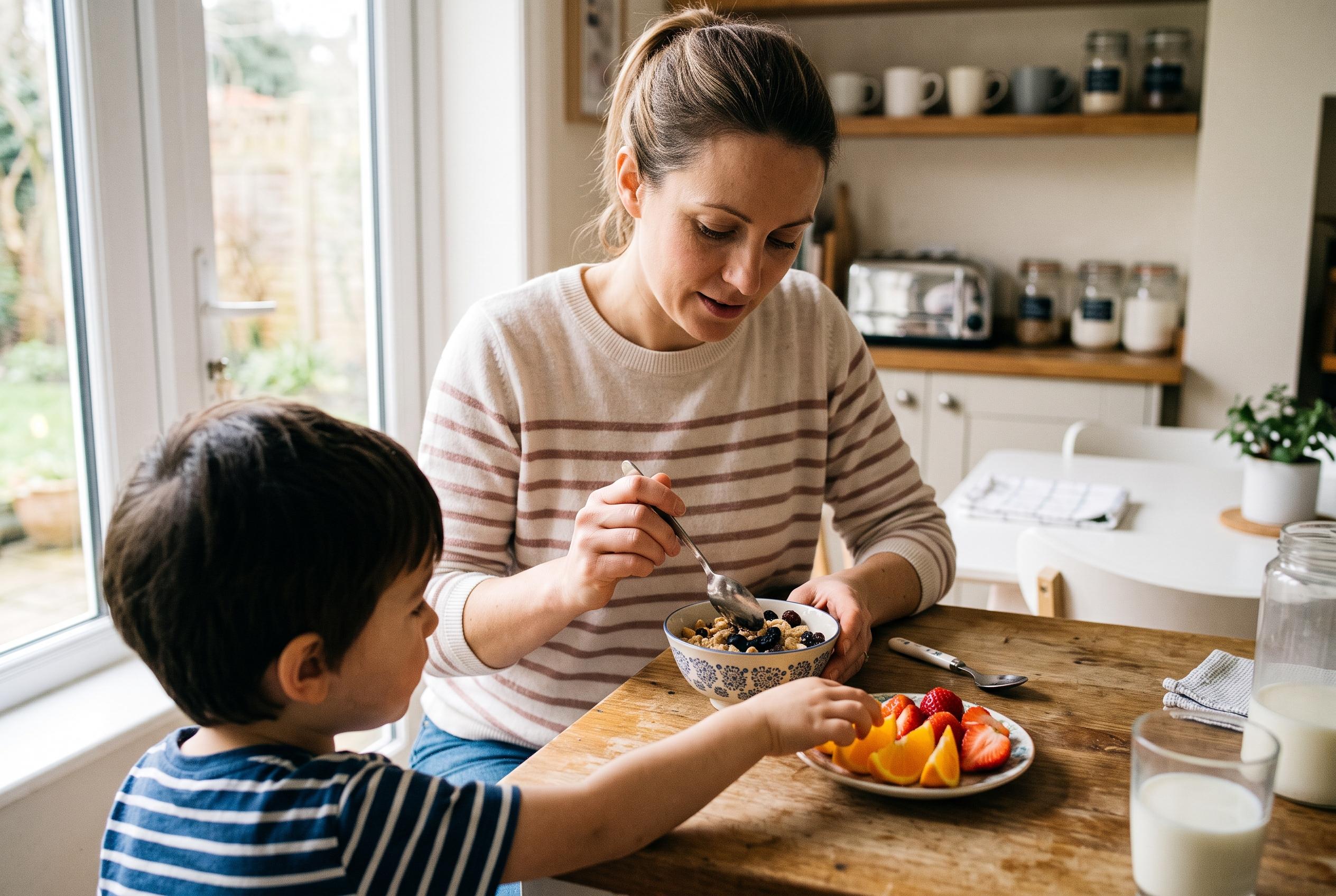

Parents seeking practical solutions to enhance their child’s iron levels can now focus on simple dietary changes, especially at breakfast, with new guidance emphasising the importance of pairing iron-rich foods with vitamin C and timing of milk consumption.
Parents looking for practical ways to raise their child’s iron intake do not need to resort to dramatic measures. There are many everyday foods that can help, and the easiest place to start is often breakfast. The CDC says iron is important for brain development and immune function, while the Mayo Clinic notes that too little iron can affect growth and development in children. One simple target is to include two iron-rich servings a day.
For babies who are starting solids, iron-fortified cereals remain one of the most useful options. The CDC recommends iron-rich foods such as fortified cereals and pureed meats from around six months of age, and the article from Two Peds in a Pod says baby cereals made from oatmeal, rice, barley or multigrain can provide a substantial share of daily needs. For older children, the same piece points to widely available cereals such as Cheerios, Quaker Oatmeal Squares, Grape-Nuts and Frosted Mini-Wheats as high-iron choices, although it also warns that some sweetened cereals contain more sugar than parents may realise.
How those foods are served matters almost as much as the foods themselves. Iron is absorbed more effectively when it is paired with vitamin C, so strawberries, melon or oranges alongside cereal or meat can help the body use more of the mineral. The CDC, Mayo Clinic and HealthyChildren.org, which is run by the American Academy of Pediatrics, all make the same point. Milk, by contrast, can interfere with iron absorption when it is taken with an iron-rich meal, so many paediatric sources advise keeping milk and iron-heavy foods separate where possible.
Meat and fish remain strong sources of iron, but they are not the only options. The CDC and HealthyChildren.org also list beans, lentils, tofu, eggs, spinach, kale, broccoli, quinoa and dried fruit among useful choices. For families raising vegetarian children, that wider range can make a real difference. The Two Peds in a Pod article also cautions parents about relying on protein powders, especially for teenagers, because they may replace meals that would otherwise provide iron. If a child is a very selective eater and refuses most iron-rich foods, paediatricians may advise an iron supplement. As the article notes, iron supports both blood health and brain health, which makes steady intake worth the effort.
Disclaimer: This content is for informational purposes only and is not intended to be a substitute for professional medical judgment, advice, diagnosis, or treatment.



