

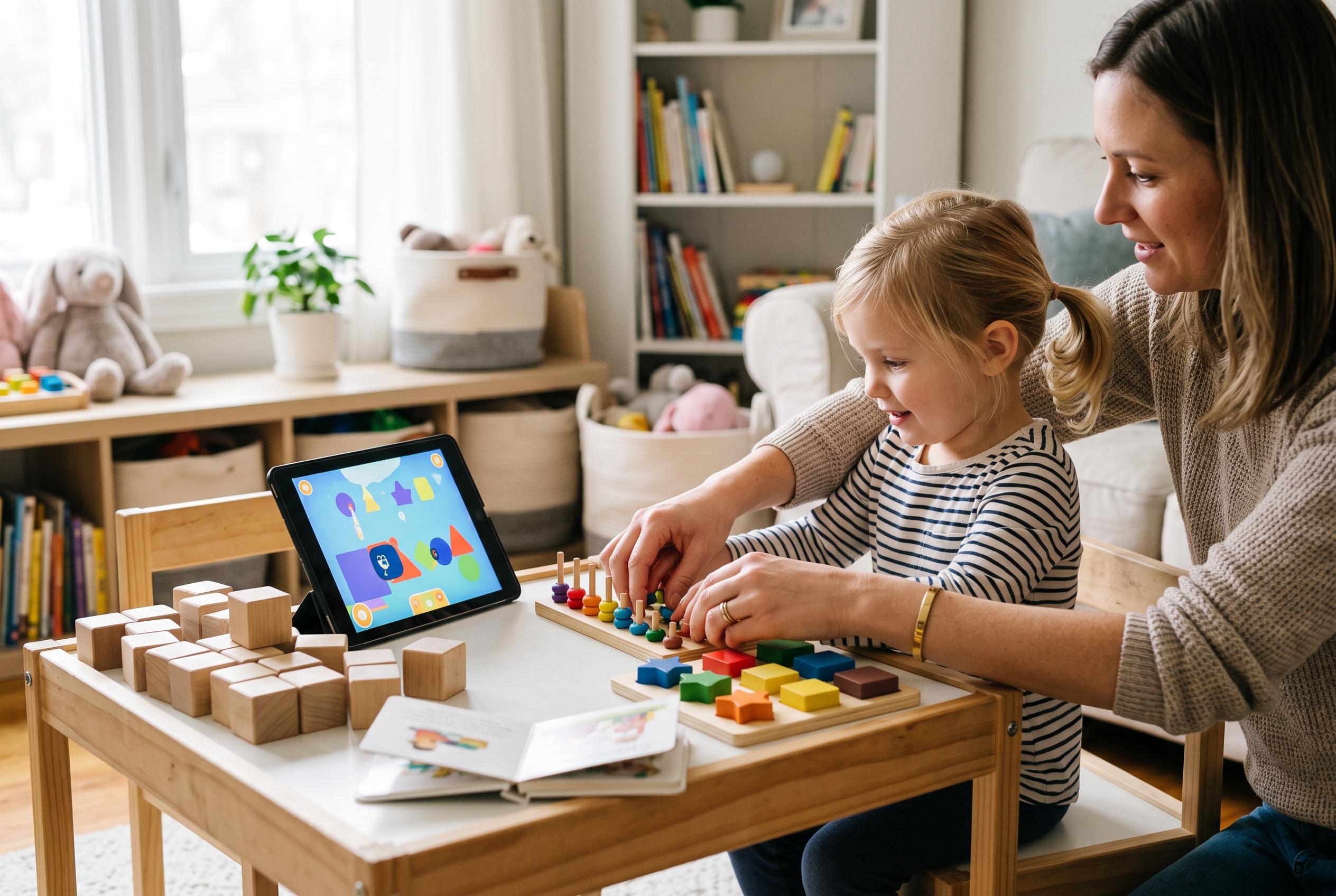

As Children’s Day approaches, parents are encouraged to consider a mix of high-tech and classic educational toys that foster curiosity, conversation, and hands-on learning for children’s cognitive and emotional growth.
As Children’s Day approaches on 12 October, many parents are looking beyond the usual dolls, cars, soft toys and building sets in search of gifts that do more than entertain. Educational toys can turn play into a chance to build cognitive, motor, social and emotional skills, while also encouraging creativity and independence. Research and consumer guidance alike suggest that the right toy can make learning feel natural, engaging and fun.
The appeal is straightforward: when children play, they are not only passing the time but also exploring how the world works. Educational toys are often chosen because they can help with problem-solving, introduce new interests and support fine motor development, while also making school-based subjects feel less abstract. They may also strengthen memory, coordination, literacy and numeracy, according to materials from toy retailers and design-focused education writers who track how play supports learning.
But more stimulation is not always better. A study published in JAMA Pediatrics found that electronically enhanced toys, with lights, sounds and automated voices, were linked with less verbal interaction between parents and children during play. In those sessions, adults used fewer words, there were fewer exchanges directed at children and babies vocalised less often. Penn State researchers reached a similar conclusion, finding that the type of toy can shape how much parents talk with their children, underlining the value of toys that invite shared attention rather than passive watching.
That does not mean electronic toys have no place in the home. Rather, the evidence suggests that families may want to balance high-tech options with toys that require imagination, conversation and active participation. Soft toys, dolls, vehicles and construction sets can still be powerful tools for development when they prompt storytelling, co-operation and hands-on exploration. For parents and caregivers, the best choice is often the one that keeps a child curious, involved and talking.
Disclaimer: This content is for informational purposes only and is not intended to be a substitute for professional medical judgment, advice, diagnosis, or treatment.



