

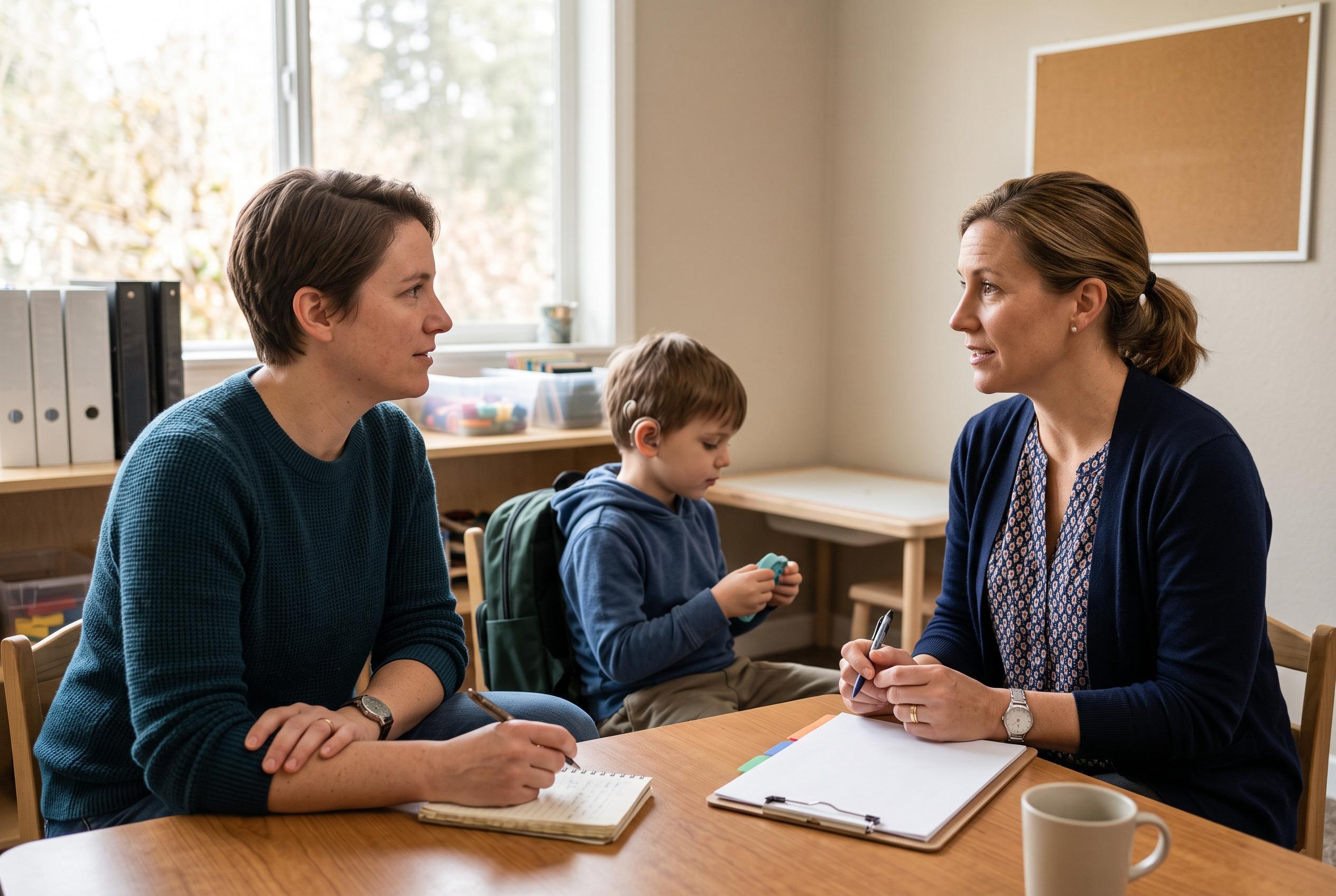

Establishing a simple, consistent weekly check-in can enhance understanding, reduce frustration, and foster trust between parents and schools, especially for children with disabilities or learning challenges.
For many parents, the hardest part of school communication is not deciding what to say, but building a routine that works week after week. The most effective approach is usually the simplest: agree a channel, choose a regular day, keep the message short, and end with a clear next step. As the guidance in the lead article suggests, a predictable weekly check-in can prevent small problems from becoming larger ones, especially when a child cannot easily explain what happened at school. Related advice from parent-communication guides also stresses that brief, specific messages are more likely to be read and acted on than long, emotionally charged notes.
That matters most for children with autism, communication delays or other disabilities, where home may offer little insight into the school day. The lead article argues that a weekly exchange can become the only reliable view into the classroom, while Purdue Global notes that strong parent-teacher communication is closely tied to better engagement and achievement. In practice, the goal is not constant contact, but a steady rhythm that lets families notice patterns early and respond before frustration builds.
A workable system starts with clarity. Families should identify the right contact person, confirm the school’s preferred method, and understand whether the teacher, a case manager or an office team is the best route for a particular question. The lead article also recommends reading any individual education plan or accommodation plan before reaching out, so that questions focus on actual supports and goals rather than broad worries. New-teacher guidance from Daystage similarly recommends setting communication expectations early and using a format that does not overwhelm either side.
The messages themselves work best when they are short and useful. Several parent-communication resources recommend opening with something positive, naming one challenge in concrete terms, and asking one or two questions that can be answered quickly. The lead article follows that same approach, suggesting a simple structure: one success, one difficulty, and one request. That combination keeps the conversation collaborative rather than adversarial, which is important if the aim is to solve problems rather than document grievances.
Specificity is especially valuable when asking about learning and classroom support. Instead of asking, “How is my child doing?”, parents are better served by questions such as which reading group their child joined, whether a support strategy was used, or how a particular goal progressed that week. The lead article also suggests asking about sensory supports, social skills work and whether classroom accommodations were actually used. That kind of detail helps parents understand what happened in class and gives them something concrete to reinforce at home.
Equally important is agreeing what happens next. The best weekly exchanges end with a small plan: one strategy for school, one thing to practise at home and a date for the next check-in. The lead article warns that a plan only works if it is written down and revisited, while broader school-communication guidance emphasises follow-up as the point where trust is either built or lost. Over time, those notes become a record of what has been tried, which can be especially helpful if a child’s teacher changes mid-year or if a formal meeting becomes necessary.
Keeping that record is one of the most practical habits a parent can develop. The lead article recommends saving both sides of each exchange so that patterns are easier to spot and future conversations are grounded in facts rather than memory. That approach also fits with the wider advice from teacher-communication guides, which stress calm, respectful language and a focus on solutions. When communication is steady and specific, parents are less likely to feel shut out and teachers are less likely to feel ambushed.
The article also highlights what to avoid: waiting until a problem becomes urgent, sending vague or highly emotional messages first, or treating one difficult week as proof of a wider trend. If replies slow down, the recommended path is measured and documented, starting with the teacher and then moving, if needed, to the case manager or a school administrator. That stepped approach reflects a broader principle in parent-teacher communication: the strongest relationships are built on consistency, not pressure.
Disclaimer: This content is for informational purposes only and is not intended to be a substitute for professional medical judgment, advice, diagnosis, or treatment.



