

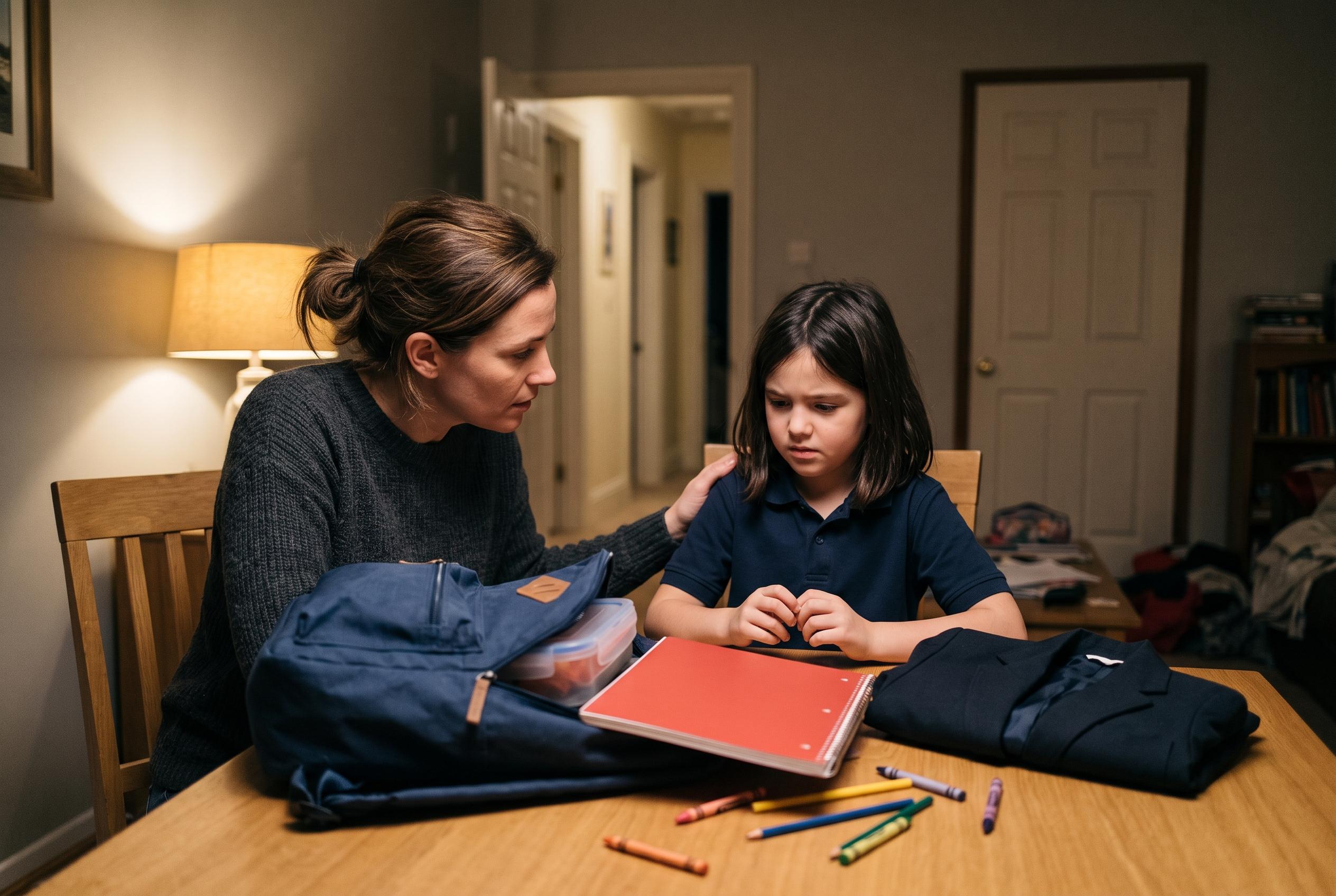

Child psychologists highlight that feelings of dread about returning to school on Sunday evenings often mask underlying emotional struggles, urging parents and educators to recognise and address these concerns early.
Children who dread school on Sunday evening are not simply being difficult, child psychologist Sigrun Eder says; in many cases, the feeling points to something deeper. Eder, who works in Salzburg’s child and adolescent psychiatry services, told Salzburger Nachrichten that school occupies a large part of a child’s life, which is why adults should try to identify what is draining a child’s enthusiasm. Specialists in children’s health say that school anxiety can show itself in tears, tantrums, repeated absences and physical complaints such as stomach aches, headaches, nausea or dizziness.
The reasons vary. Some children are dealing with friendship problems, bullying or a classroom in which they feel out of place. Others are struggling with reading, writing, maths or concentration, making the school day feel exhausting. Eder also points to separation anxiety: some children worry about leaving a parent alone at home, or fear that something may happen while they are in class. That concern can be powerful enough to make school feel unsafe, even when the child cannot clearly explain why.
Experts say the first step is to name the feeling and ask what is behind it. A child may be sad, angry or afraid, and each emotion calls for a different response. Talking through a disagreement, asking for help from a trusted adult or teacher, and working with the school are all better than letting avoidance become the habit. Children’s health guides from the Cleveland Clinic and HealthyChildren.org say that school refusal is usually driven by anxiety rather than defiance, and that keeping the child at home without addressing the cause can make the fear stronger. They recommend open conversation, enough sleep and, when needed, professional support.
Eder also reminds children that school is not meant to be enjoyable every single day. Like adults’ work, it includes duties that must be done, from arriving on time to completing assignments. But school also offers friendships, discovery and the chance to find out what one is good at. She describes education as a child’s right, one that can expand future choices. The message for families is simple: if a child repeatedly does not want to go to school, it is worth finding out why, because there is usually a reason , and help is available.
Disclaimer: This content is for informational purposes only and is not intended to be a substitute for professional medical judgment, advice, diagnosis, or treatment.



