

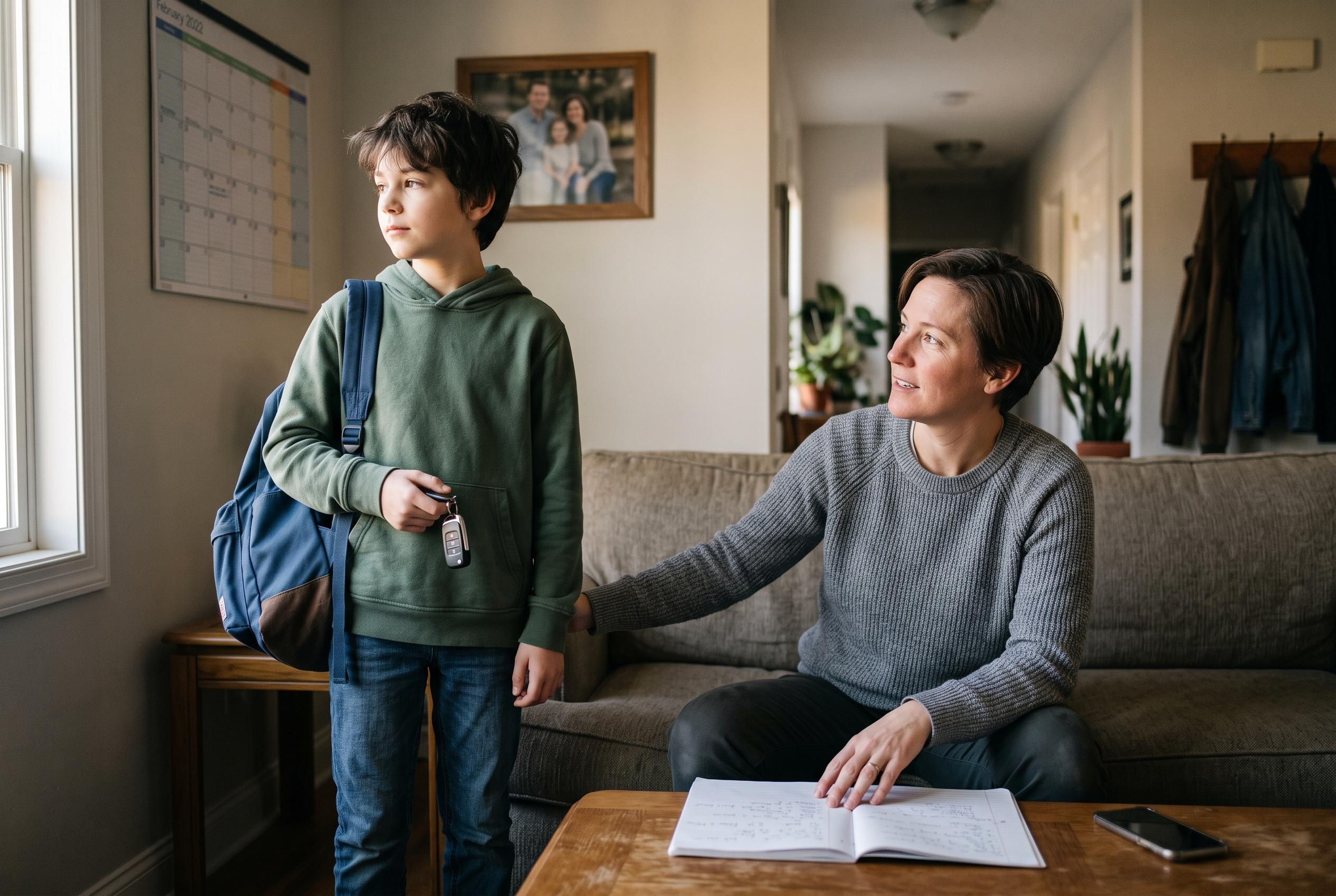

As children approach their early teens, parents face the challenge of balancing safety with fostering autonomy. Experts recommend a gradual, communicative approach to help children build confidence and decision-making skills while managing risks safely.
By the time many children reach about 12, they start asking whether they can go to the park, the shops or a friend’s house without an adult. For parents, that can be a tricky moment: there is no single age that marks readiness, because children mature at different speeds and independence develops unevenly. Guidance from the CDC and other child-health groups also stresses that growing autonomy is less about a birthday and more about whether a child can cope safely, communicate clearly and follow agreed rules.
That matters because independence is not just a privilege; it is part of healthy development. Letting children spend time outside the home without constant adult supervision can help them build confidence, practise decision-making and learn how to respond when plans change. Research cited in the lead article suggests that unstructured time in the neighbourhood can also support friendships, encourage physical activity and help children develop a stronger sense of belonging. At the same time, overprotective parenting can limit opportunities to learn from ordinary risks and small setbacks, according to Children’s Health and similar child-development advice.
Parents’ hesitation is understandable. A 2019 survey in New Zealand found that the biggest concerns about children being out on their own were road safety and the possibility of contact with unfamiliar adults. Those worries are echoed in public-health guidance, which says parents often need reassurance that independence can be introduced gradually rather than all at once. HealthyChildren.org recommends weighing a child’s age alongside maturity, judgement and comfort level, while also considering whether the child knows what to do in an emergency.
A useful first step is to talk through the request rather than simply approving or refusing it. Asking a child why they feel ready can reveal a lot about how they think. Do they understand their surroundings? Would they notice danger, such as bad weather moving in? Can they make sensible choices if something goes wrong, such as a bike puncture or a change of plan? Are they reliable enough to return when they say they will? The CDC advises parents to support independence while staying clear about expectations and keeping communication open.
If the answer seems promising, it helps to start small. That might mean allowing a short walk to a nearby park before trying a longer trip to the shops or a more crowded place. Valley Children’s Pediatric HealthHub advises building autonomy in stages, beginning with smaller decisions and gradually increasing responsibility. Families can also set firm boundaries, such as where a child may go, what time they must be home and when they should send a message if they are running late.
It is also worth making a plan for what happens if something changes. Children should know when to call, how to get help and what to do if they feel unsafe or get lost. The goal is not to remove all risk, but to help children practise managing it. Done carefully, supervised steps towards independence can give children the freedom to grow while giving parents a clearer sense of when they are truly ready.
Disclaimer: This content is for informational purposes only and is not intended to be a substitute for professional medical judgment, advice, diagnosis, or treatment.



