

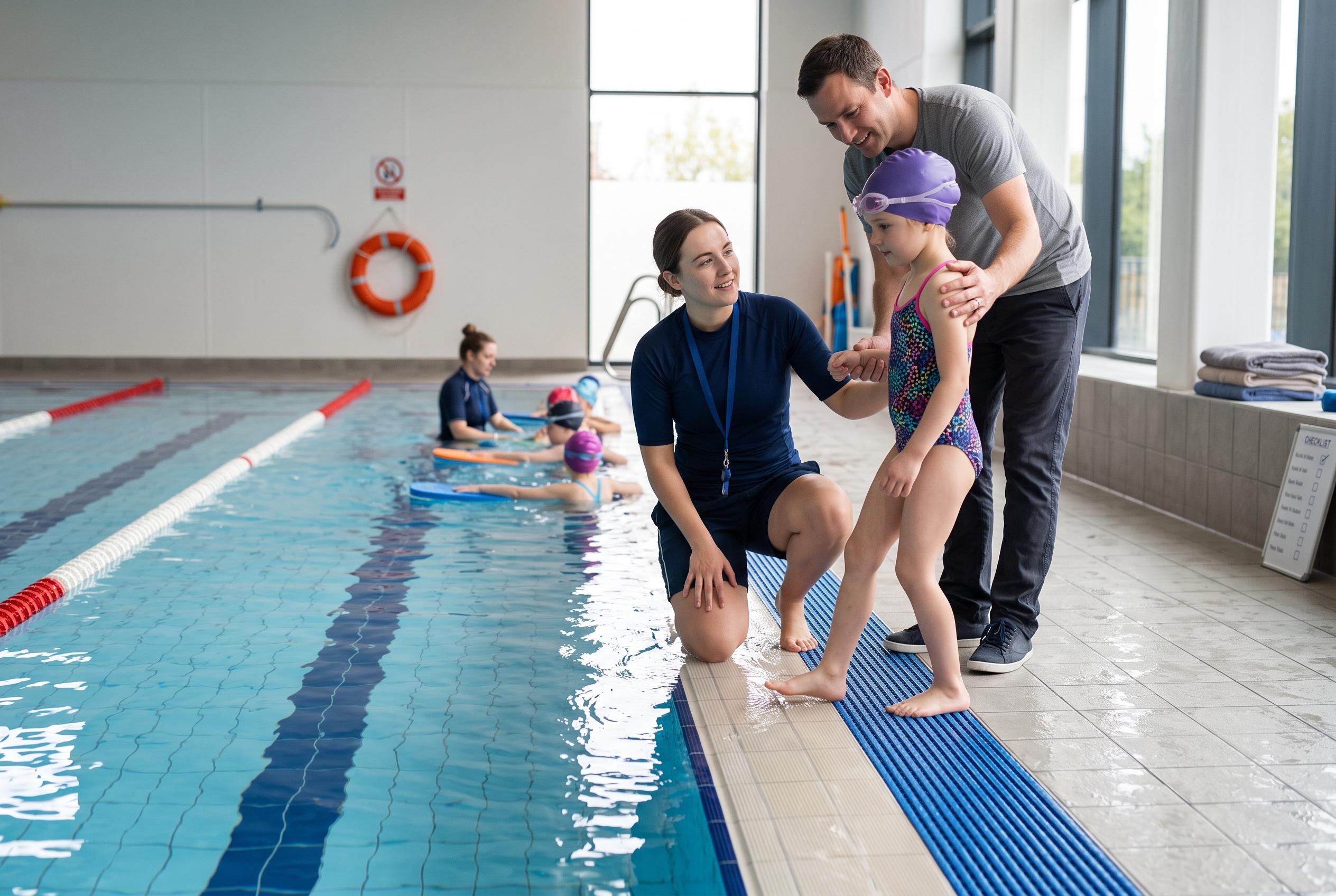

Swimming lessons offer more than just water skills, fostering safety awareness, confidence, discipline, and emotional resilience that can benefit children throughout their lives.
Swimming lessons can offer far more than a way to pass a warm afternoon. For children, they can become an early lesson in safety, confidence and self-control, while also giving families peace of mind around water. According to HealthyChildren.org, formal lessons can help children build water safety awareness, get exercise, support healthy development and grow self-confidence.
The safety value is especially important. Drowning remains one of the leading causes of accidental death in children, and early instruction can teach youngsters how to float, tread water and move through water more calmly in an emergency. Children also learn practical habits such as checking depth, recognising hazard signs and respecting pool rules, which can help them make safer choices at beaches, public pools and lakes.
Swimming also teaches discipline in a way that many children can understand. Progress usually comes gradually, through repeated practice and patient coaching rather than instant success. That process can help children learn that improvement takes effort, and that small, steady gains matter.
Breaking a stroke into smaller steps can make learning feel achievable. Instead of trying to master everything at once, children work on one skill at a time, then put those pieces together. That approach can be motivating when a child earns a new milestone, completes a lap or finally gets a movement right after several tries.
The physical benefits are wide-ranging. Swimming uses many major muscle groups and asks children to coordinate their arms, legs and breathing at the same time, which can support motor development and body awareness. Healthline notes that swimming can also improve coordination and help with sleep, while other swim-school guidance points to better balance, stronger core muscles and improved flexibility.
There are also emotional gains. Water can be intimidating at first, especially for children who are nervous about putting their face in or letting go of the wall. Learning to stay calm, keep breathing and try again after a setback can build resilience. Over time, children begin to see that discomfort is not always a signal to stop; sometimes it is simply part of learning something new.
That confidence often carries into other parts of life. Children who learn to swim on their own may feel more ready to tackle unfamiliar situations, whether that means trying a new sport, joining a new group or approaching schoolwork with more persistence. Best Swim Schools and other swimming education providers say that the confidence gained from mastering water skills often shows up as stronger self-esteem in daily life.
Group lessons can add another layer of growth. Children learn to wait their turn, listen to instructions and share space with others in a structured setting. They also practise encouragement, patience and empathy when classmates are working at different speeds, which can strengthen communication and teamwork skills.
Swimming can support healthy routines as well. Regular lessons create a predictable weekly commitment, which encourages children to plan ahead, pack their own gear and fit activity around school and rest. That kind of consistency can help children learn time management and responsibility while also making exercise feel normal rather than optional.
The activity may also help children manage stress. Water’s steady resistance, combined with controlled breathing and rhythmic movement, can be soothing after a busy day. Some swimming resources suggest that regular sessions may help children feel calmer and more focused, with benefits that can carry into school and home life.
There is also a practical long-term advantage: children who learn to swim are better prepared for pool parties, beach trips and other water-based recreation as they grow. Swimming can become the base for later activities such as kayaking, surfing, sailing or snorkelling. Even so, experts consistently stress that swimming ability does not replace adult supervision or local safety rules around any body of water.
For families looking for an activity that blends exercise, safety and personal growth, swimming lessons can be a strong choice. The skills children gain in the pool often reach well beyond it, helping them build confidence, resilience and habits that can last for years.
Disclaimer: This content is for informational purposes only and is not intended to be a substitute for professional medical judgment, advice, diagnosis, or treatment.



